
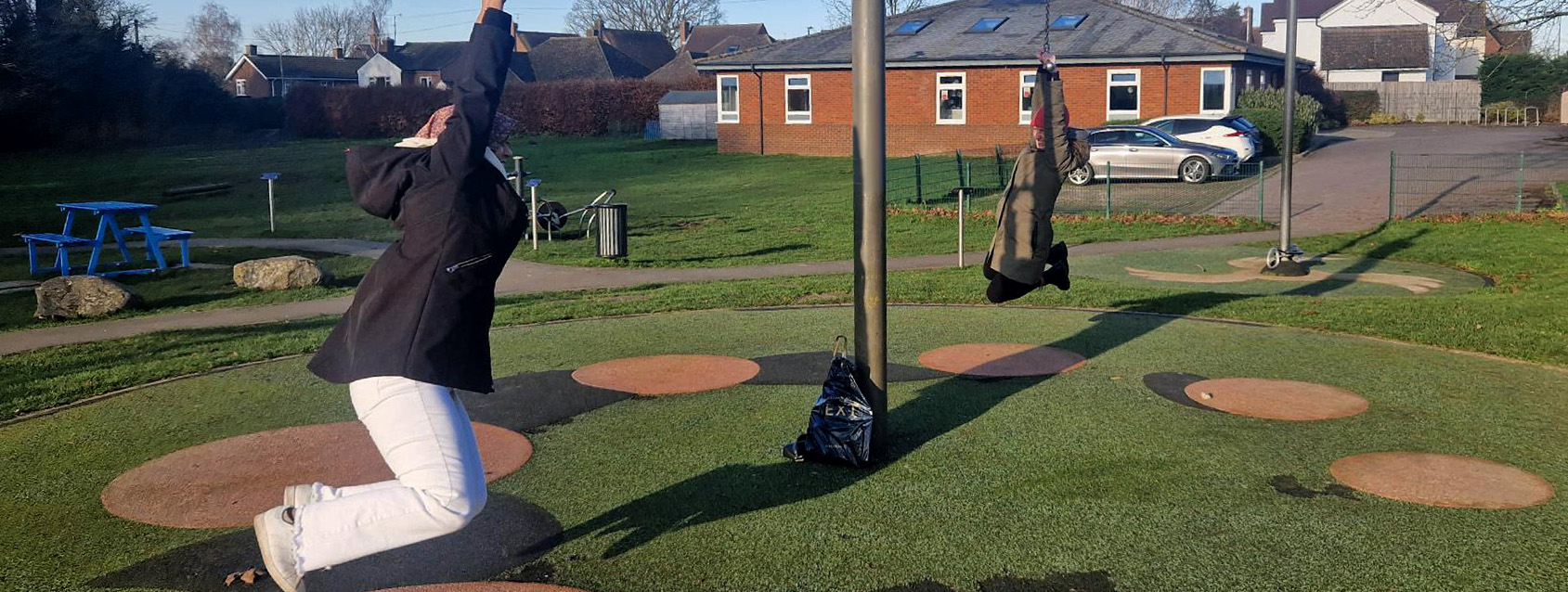
We all need to play!
Player Level 1: Adult player denied, level up and try again later, or buy in game credits.
I truly believe play is for absolutely everyone, especially when we get into the nitty gritty of what play is. We’re told that playing is not for adults, playing is for children, and should be done in designated play areas, designed by adults in neatly designed areas …who mustn’t play…?
Perhaps university students sit on the fence a little with their freshers’ antics and society memberships, and now you (adult reader/player) are past all that ‘playing’ nonsense, right? Yet, one of the best loved TV shows in the UK is a show based on the premise of a group of adults playing make pretend, and yes, I am talking about Traitors. THEY are allowed, because THEY are on TV, and this is real life which demands a certain level of seriousness.
Adults probably don’t even want to play right?
Player Level 2: Pay to Play unlocked, you may proceed to Play
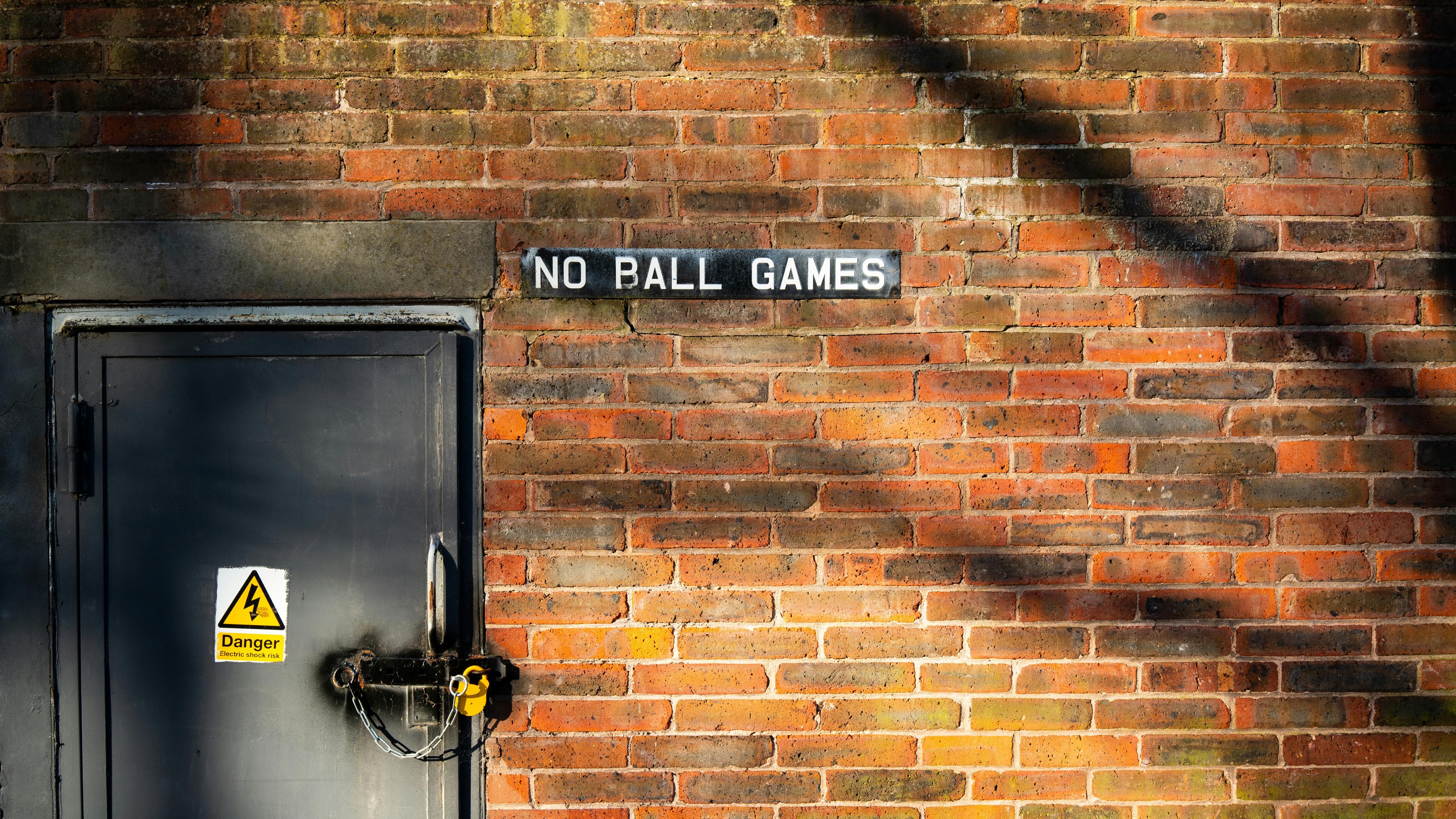
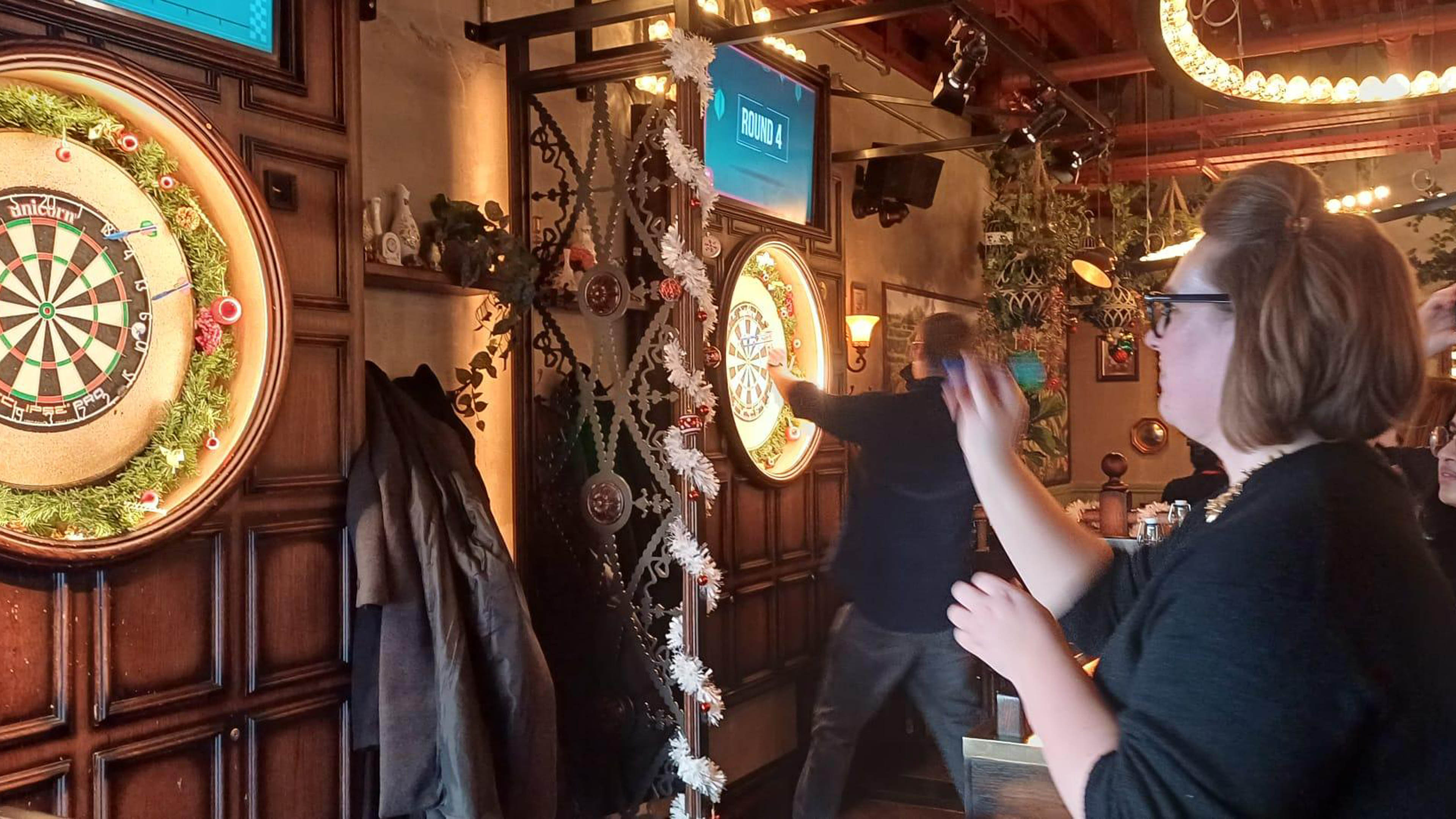
Now, it’s not all bad. As an adult, you can pay for permission to play, such as at theme parks, escape rooms, arcades, playing darts attending pub quizzes etc. So maybe we do want to play, at least when it seems appropriate or we have some inferred permission, which is so rarely found for free in our public realm. This kind of pay to play barrier is not only limited to adults, with children who have limited access to high quality play opportunities turning to safe bet alternatives, like soft play and laser tag. At least these paid for places don’t usually hang up ‘NO BALL GAMES’ signs.
While I’m not suggesting that there is an issue with pay to play businesses, affordability can add an additional barrier for some. So why is this so important? As the shapers of new places, whether you are an Urban Designer, a Policy Maker or a Landowner, we have a responsibility to ourselves and our communities to do better. The places we create have an impact which affects us all, for generations to come.

Player health is critically low, drink a health potion
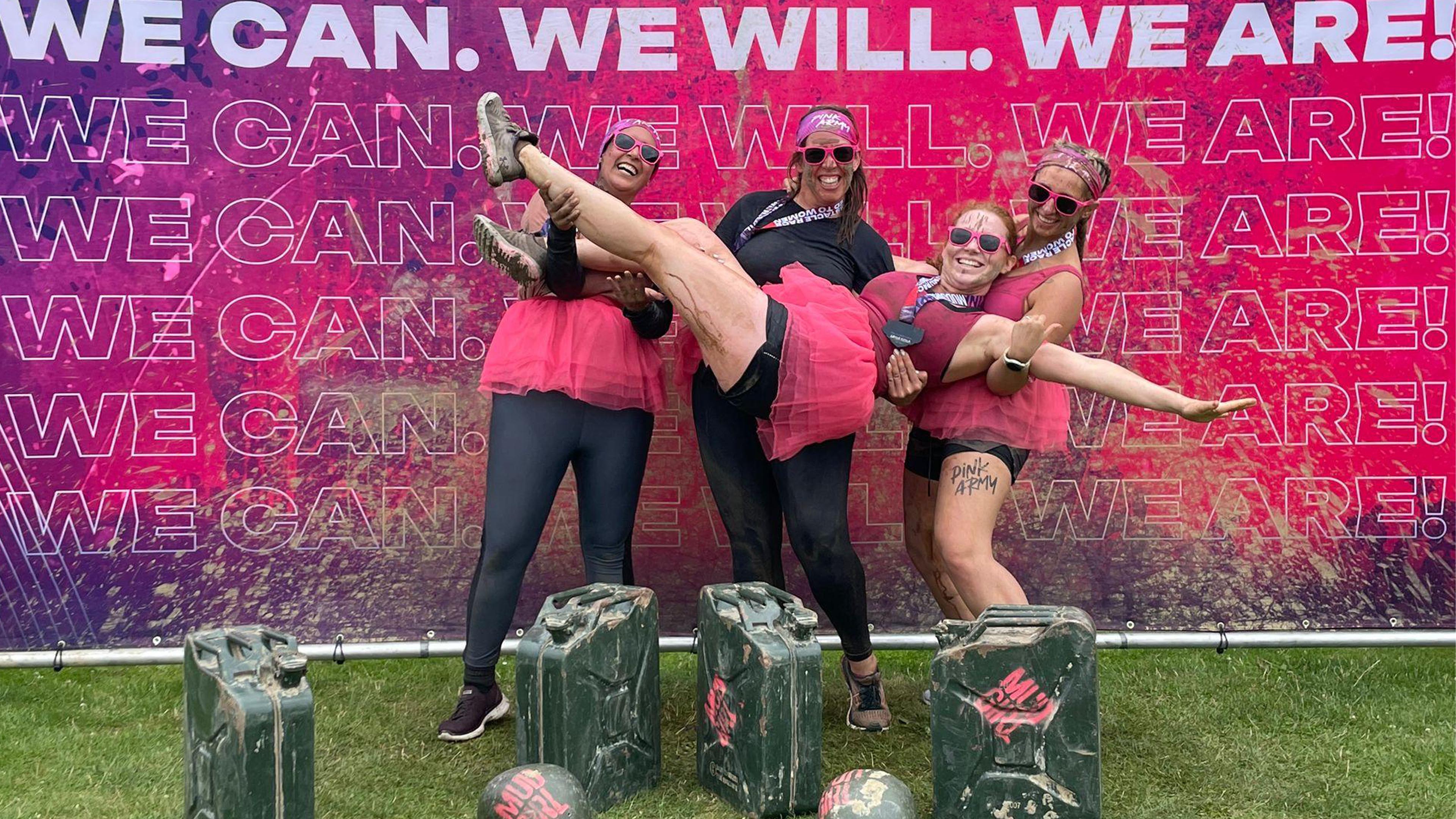
In the UK, it is widely accepted that we are suffering from a public health crisis, from the overwhelmed NHS to the rise in long term illnesses, including mental health, intensified by social inequalities. The global pandemic in 2019 brought a lot of this turmoil into an accelerated state and firmly into the political spotlight, only further exacerbated by the cost-of-living crisis. This affects lower income groups and children the most, and this is even further affected by the housing crisis. Health is a vital part of the design process, and play should be too.
Play carries many recognised health benefits, which are applicable to all age groups. The National Institute for Play (NIFP) says that…
“play can mitigate the effects of anxiety and depression. Playful activities like creative writing, board games, or sports help quiet the mind and redirect attention from negative thought patterns. Research also links regular play with increased life satisfaction and overall well-being.”
Play can also increase cognitive function, as well as the obvious physical health benefits attached to physical play forms, or even the benefits of finding that your walk is fun, playful and therefore helps you chose to be active rather than drive.
It seems to me that right now, we all need play, and the super health benefits that come with being playful, more than ever before.
Player Level 3: Health Increased, you have joined a new quest ‘Create a Playful Place for Everyone’. To complete this quest you must unlock the PLAY ability
Now we understand the power of play, and we would like to create more playful places, so the next question is ‘What is play?’
This question left me with many sleepless nights writing my literature review for my master’s dissertation, and it is important, because there really are so many ways we can be playful. Arup gave a helpful summary in their 2023 ‘Playful cities design guide’, stating that:
“Play includes a wide variety of activities which can be unpredictable, spontaneous, irrational, and risky, and which are often unanticipated by urban practitioners, policymakers, and other users.
Nowhere in that definition is play restricted to children, yet as adults we tend to associate the word ‘play’ with a children’s activity. Play spaces are demanded in new residential areas, often in higher proportions than seems sensible, yet the potential to include adults, a group who make up over 80% of the UK populus, is replaced with thoughts of parking spaces on private driveways and the all-important kerb appeal.
Play carries many definitions and some even argue that there are rules for play. To simplify these, we can categorise play into the following archetypes.
- Competitive play: a form of play which invites players to compete using skills and knowledge. This could be a group, one on one or personal challenge, such as following a city treasure map in teams, or solving a riddle.
- Vertigo play: a more physical form of play which involves player movement and some sense of a loss of control. Some common examples include swings, or skateboarding.
- Simulation play: this is best described as make pretend or imagination play, and can involve more sensory aspects of play (auditory, visual, taste, smell and kinaesthetic). Some examples include reflexology paths, oversized objects, painted crossings/paths, interactive city maps, and art installations.
- Chance play: this type of play is based on escapism through chance, a simple example is attempting to balance a coin on a lemon, accepting that the coin can be lost, or a running through a water jet fountain, accepting that you may get wet.
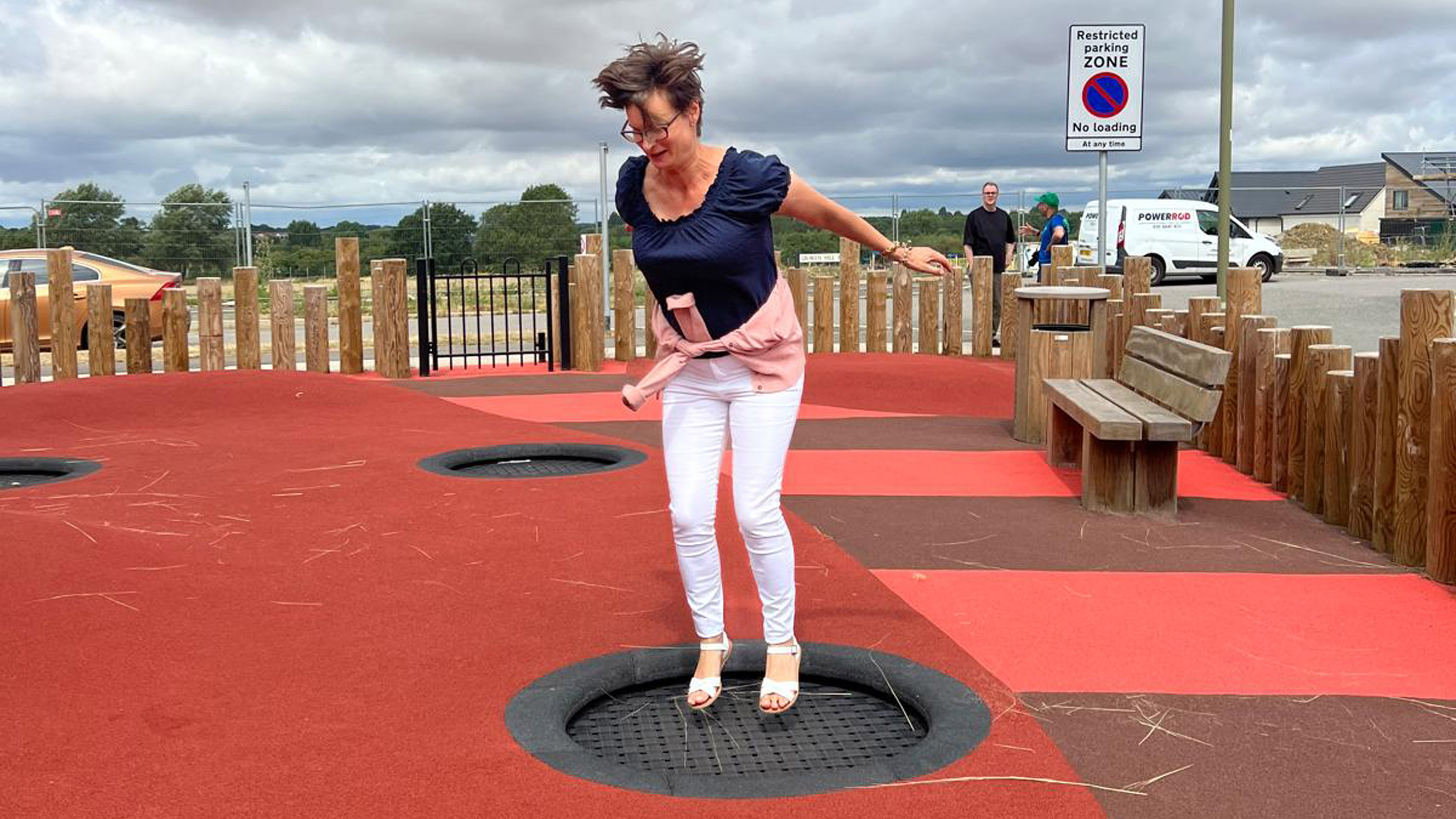
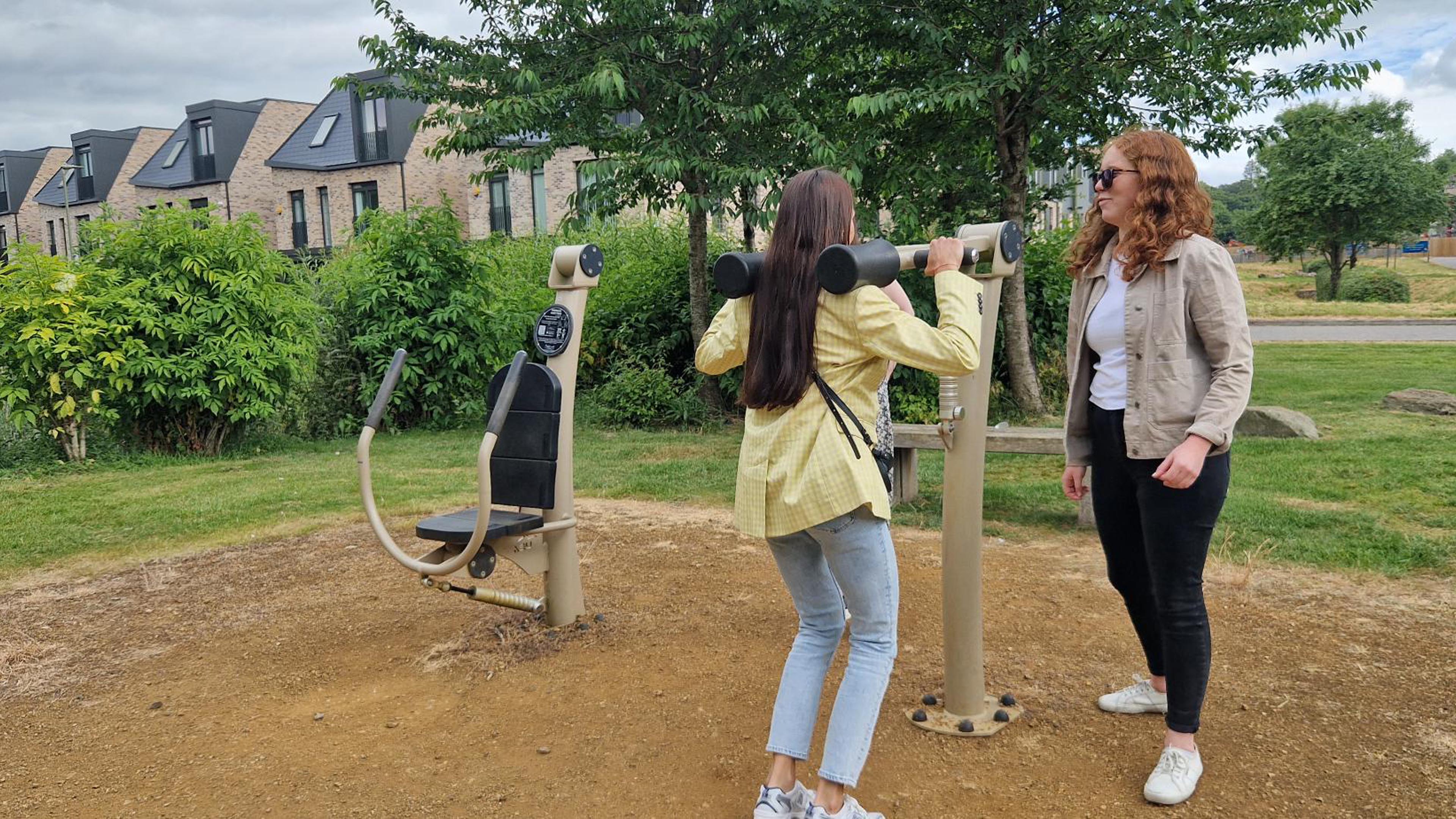
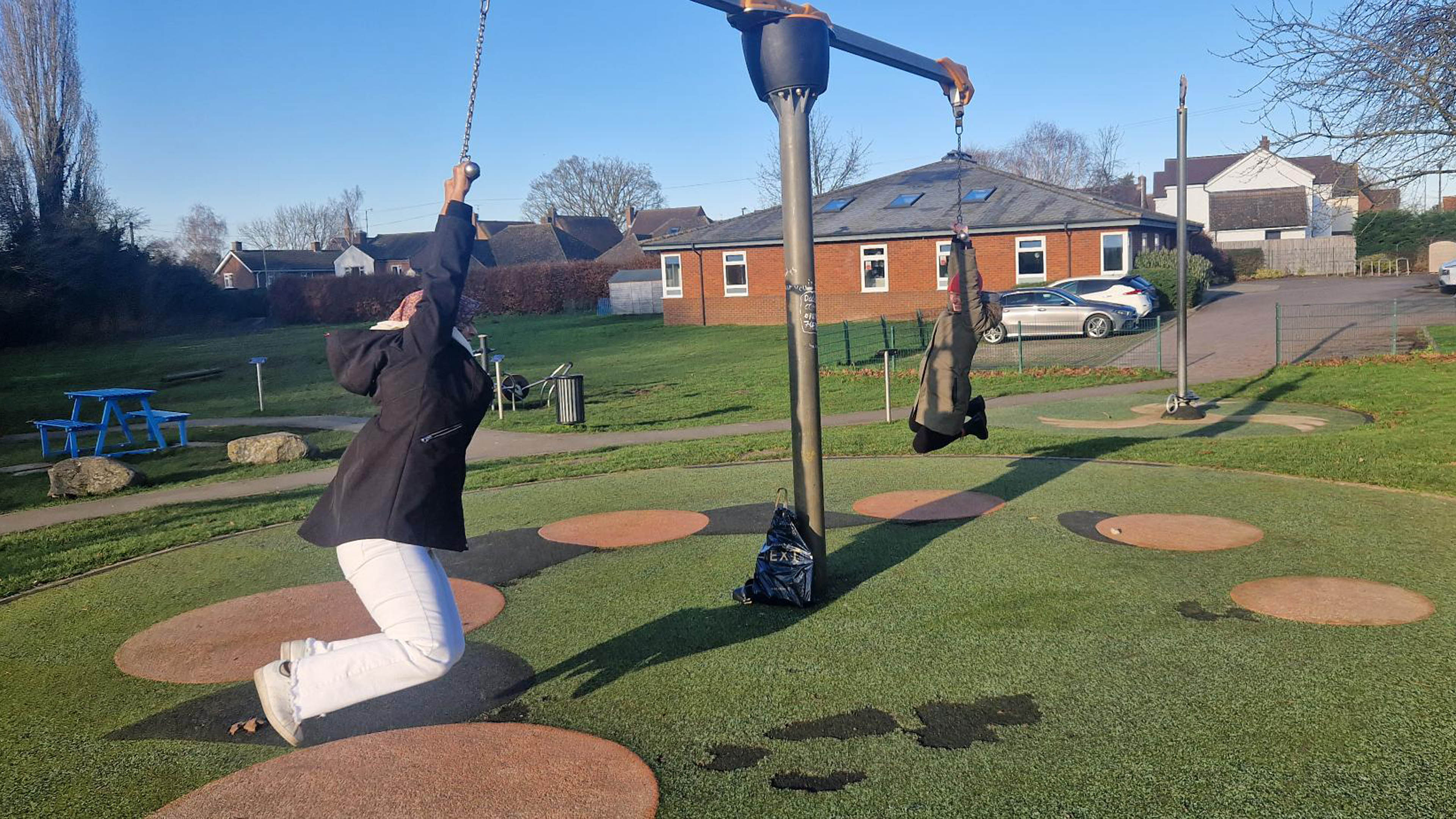
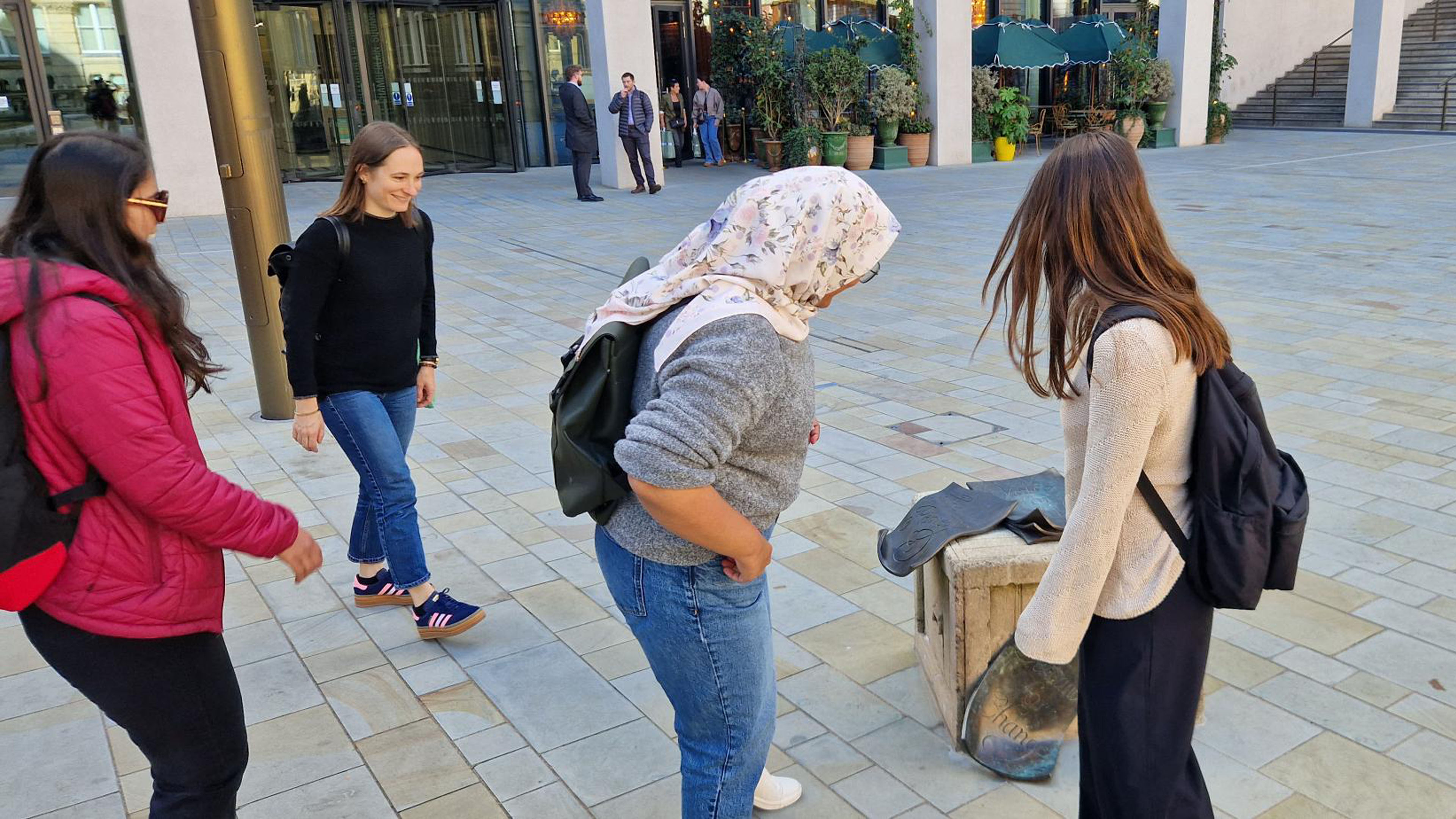
PLAY ability has been unlocked, you have earned a new badge ‘Play-Warrior’. Player level increased to 4 and you have a new item in your inventory, check it out below!
Creating a playful place for everyone is not exactly easy, and its often not as simple as installing a piece of equipment to meet a minimum requirement based on population data. Creating playful places for everyone is not limited by the types of play (equipment for example), with the success much more reliant on the conditions for the play, particularly the environment. People must freely choose to play, which means we need to create places which feel free from judgement, and offer us permission to play. If we succeed, not only can we better our places by creating healthier and happier communities, but the legacy we leave and the memories people form, will promote a sense of belonging, which in turn leads to higher levels of stewardship in neighbourhoods.
Game server overwhelmed, player has entered a queue, please wait while we reconnect you…
While the idea to maximise on playful opportunities is important, and beneficial, we tend to find ourselves entering into a box ticking exercise, where what play is designed in new places is led by population data and quantities of equipment at set distances. It’s not always simple, or even possible to propose something better, and this can feel overwhelming and frustrating. So lets do what we can, and here is an amazing example of how we at edge created a playful opportunity for all people for a day at Birmingham Parking Day 2025, without a planning approval to build anything.
The edge team were stuck for an idea for a floor covering to use in our allotted parking space parklet for the day, such as an outdoor rug which would have been functional but wasteful. Give them chalk I said!
Chalk became the connection between us and the other participants, and subsequently the local people. Chalk is so simple, it’s not permanent, and it can be done in most places. So why don’t we see chalk all over the pavements usually? It could be because it’s a transitionary space, not usually a destination. When the parking spaces became a place to stop and socialise, the opportunities for playfulness opened.
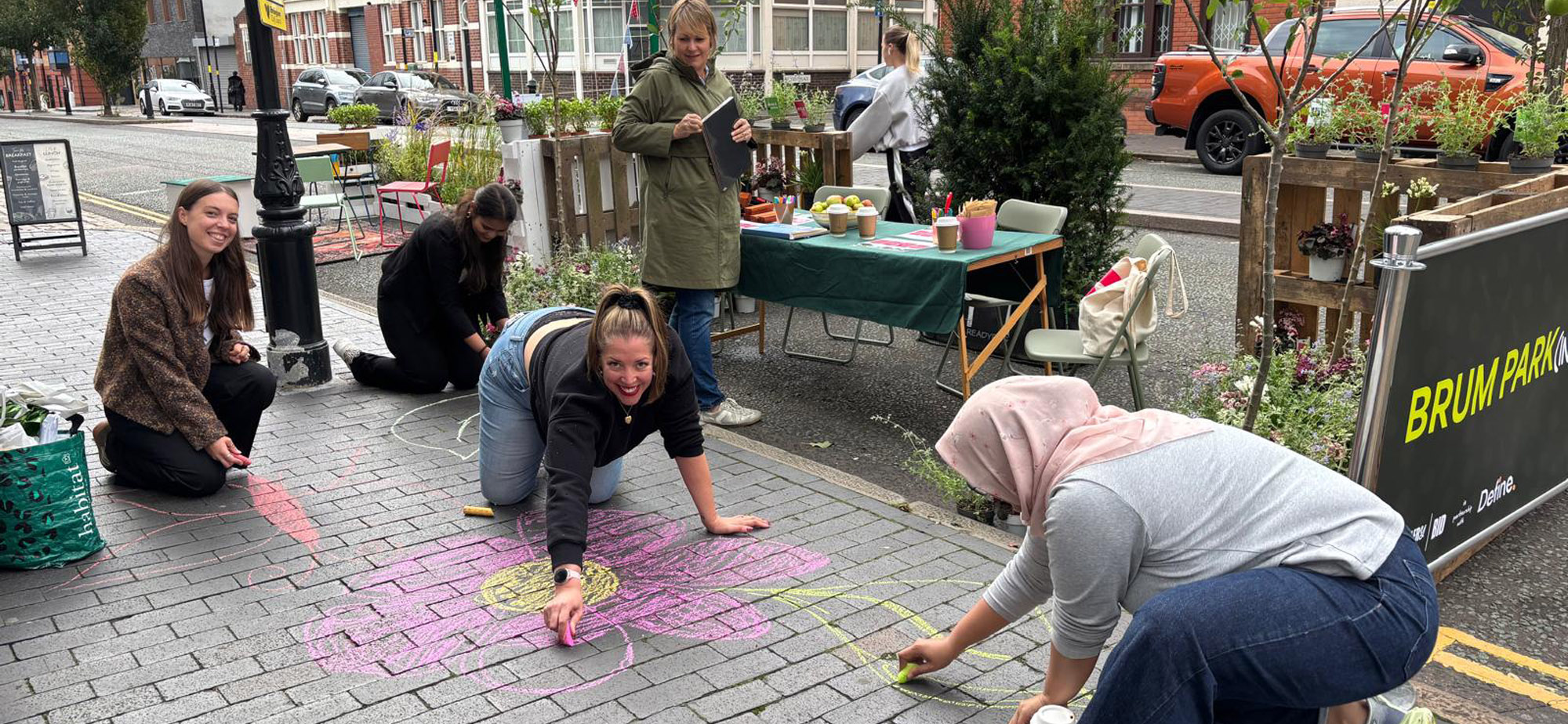
So we must create spaces where people can stop, rest and socialise. Then people will play. But why not also make our movement more joyous? Significant portions of the adult population commute to work, and I say that is a huge opportunity. Why not make our cycle to work more exciting with a rainbow cycle path, or by painting hopscotch challenges along key city commuter routes?
Play is in all of us; we just have to be brave enough to give in to letting it go free. So, let’s all play more and share ideas for how it can be done!
Written by Izzie.

