

Children in the Design Process
According to UNICEF, 25% of the world’s population are under the age of 18, making a quarter of us children who experience the world very differently to adults. So why are children not more involved in the design of our world? As adults, we may remember moments of our childhood, specific events or days, but we certainly can’t remember most day-to-day things, including how we felt while walking along a pavement, playing in the park or how we experienced the built environment. Height, mobility and daily routines mean children interact with the spaces around us very differently. The needs of children and young people may be considered when designing spaces, but often this is only done through assumptions and decisions which are repeatedly made by adults. This lack of consultation with children means their needs are not being met and spaces are not fulfilling their potential for young people. The spaces we are creating need to feel safe and inviting to be inclusive of people of all ages, and for this to truly happen children need to be involved in the design process in order to have their say.
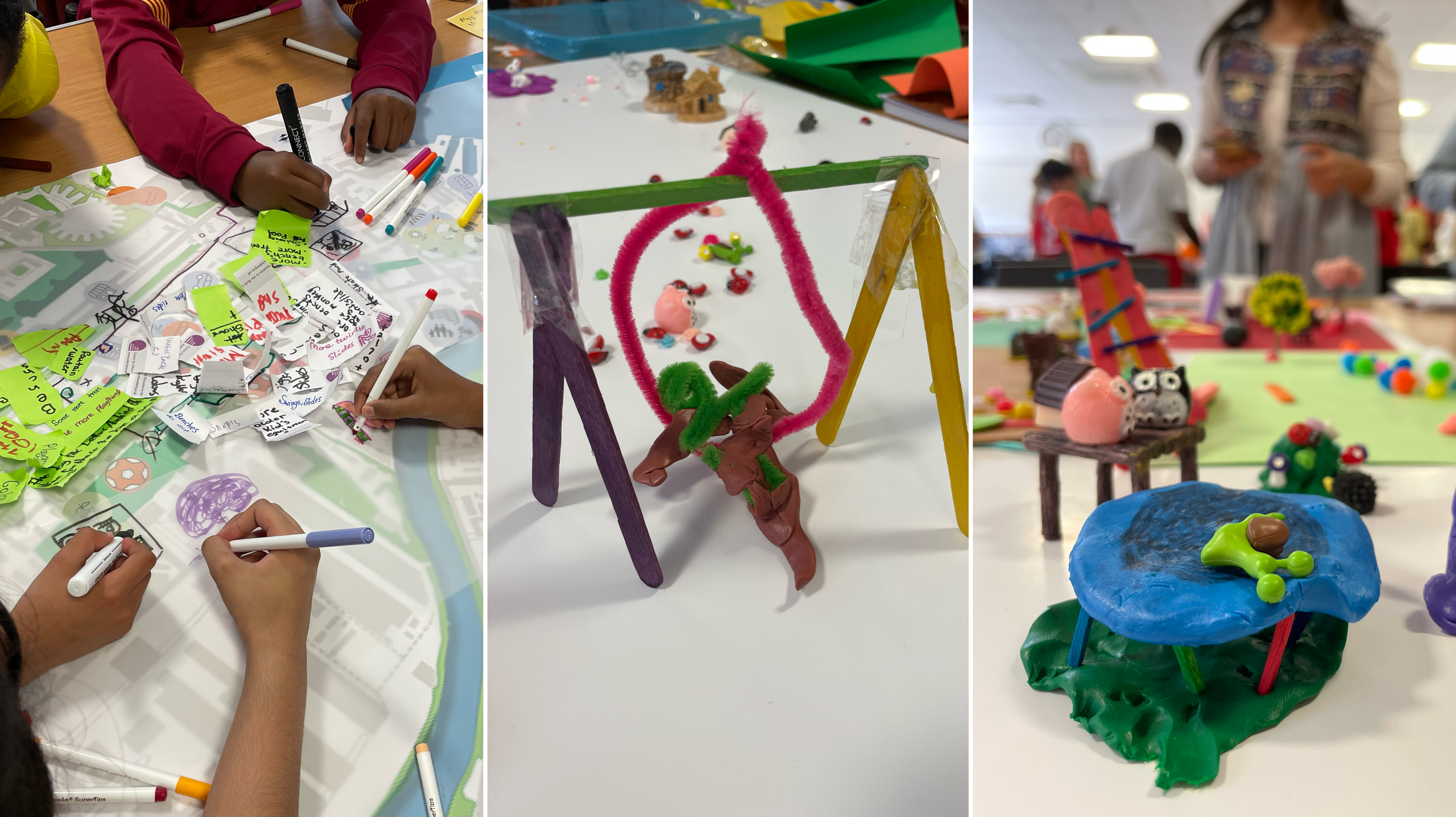
The UNICEF initiative ‘Child Friendly Cities’ is a global programme which aims to put children’s rights into practice to create communities where all children have a say in and benefit from local decisions, services and spaces. The belief is that children should feel heard and safe, with accessible, good public services, clean environments and suitable play. A large part of this child rights-based approach is participation, and the belief that all children have the right to have their views taken seriously and a space to express their feelings. The ability to have a say in matters concerning themselves is a child’s right, and urban planning and design is encompassed within this. In the UK, Cardiff is currently the only city to be recognised as a Child Friendly City, with 9 others, including Birmingham, currently working towards the recognition.
One of the reasons it’s so important to include children in the design process is that it creates a sense of belonging and makes them feel valued in their community. A child that feels valued in society is more likely to continue to care about their community as they grow up. It also encourages them to think about the issues we are facing in the built environment sector, such as climate change, social inequality and the housing crisis, and empowers them to consider what can be done to help solve these problems. A person is much more likely to care for an environment they’ve helped create than one designed for them.
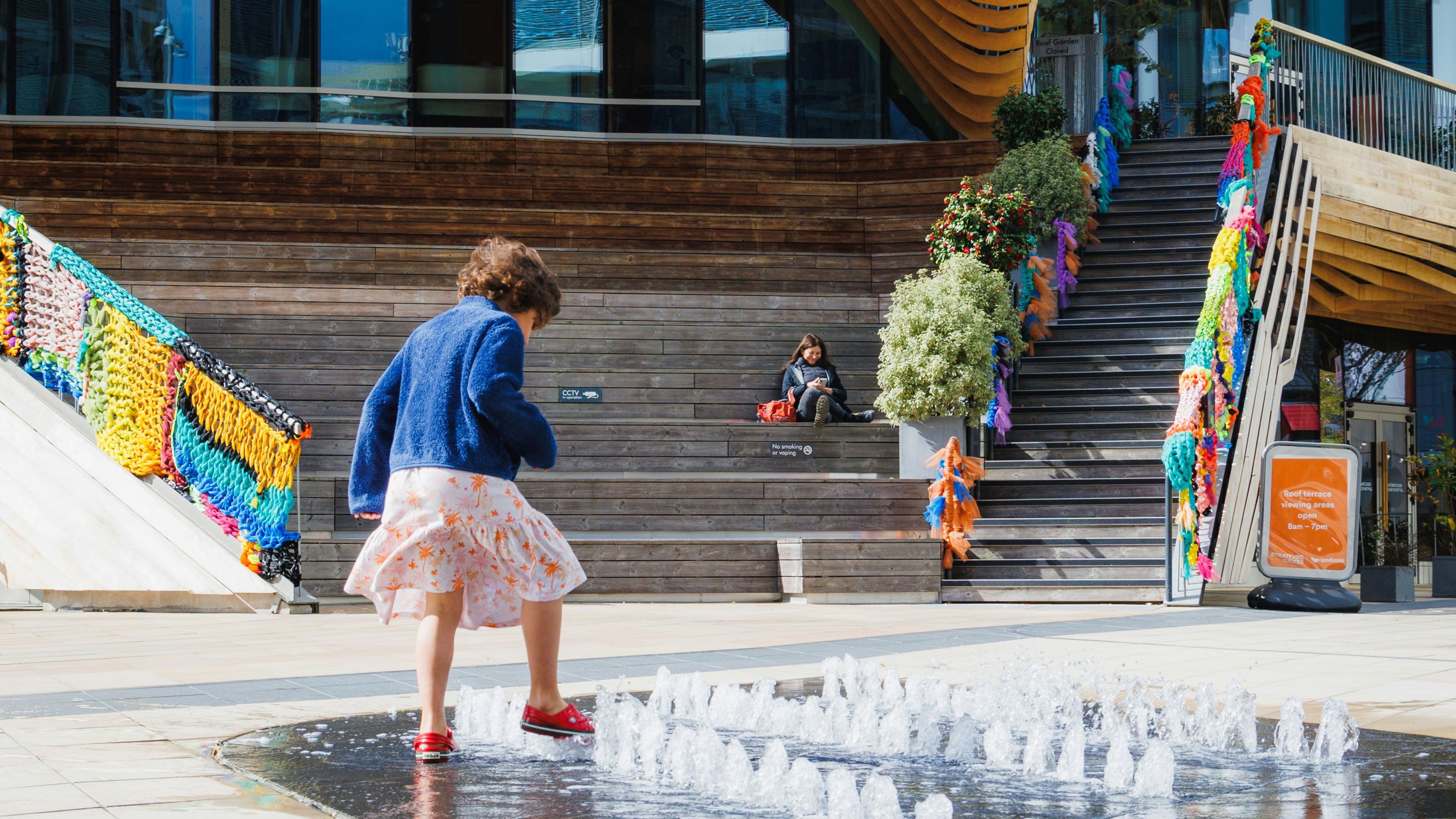
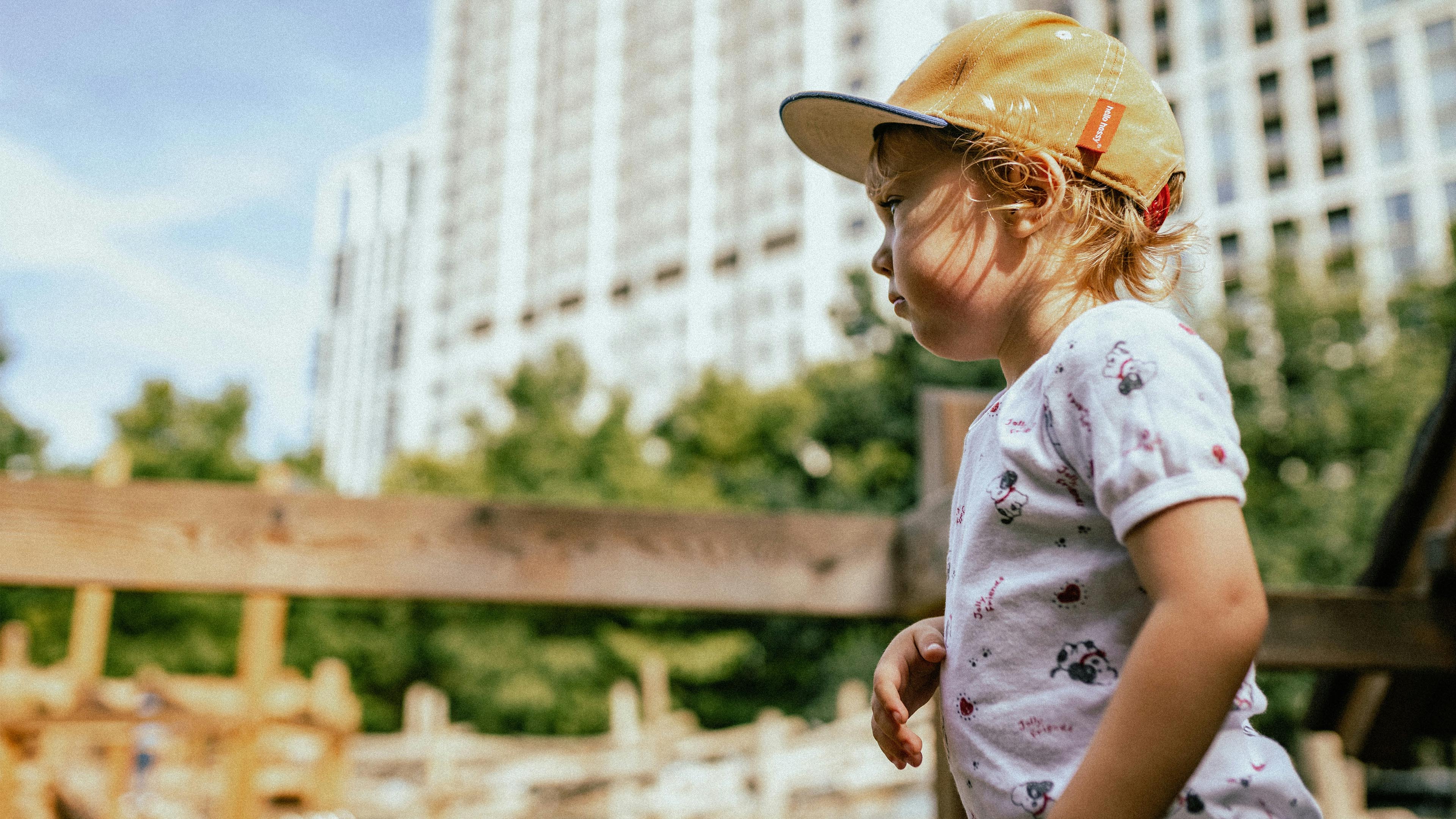
Hearing and considering children’s perspectives on the built environment is crucial because they think so differently to adults. Children tend to be much more imaginative, and they are less constrained by what is or isn’t considered normal or correct, giving them the ability to propose more creative and inspirational ideas. Children construct their knowledge through interactions with objects and their surroundings, experimenting with how things are used. For example, an adult would only use a chair for its original purpose, to sit on, but a child would use it however they see fit, for example to hide under or to climb on. In terms of urban design, this means children can push the boundaries of what a space can be and how it can be used. We often say as designers we need to think outside of the box, and no one is better at that than children! They are also better at identifying how a space feels, whether it’s dull or fun, safe or uncertain. Listening to these thoughts helps us to learn how to create a positive and welcoming environment for all.
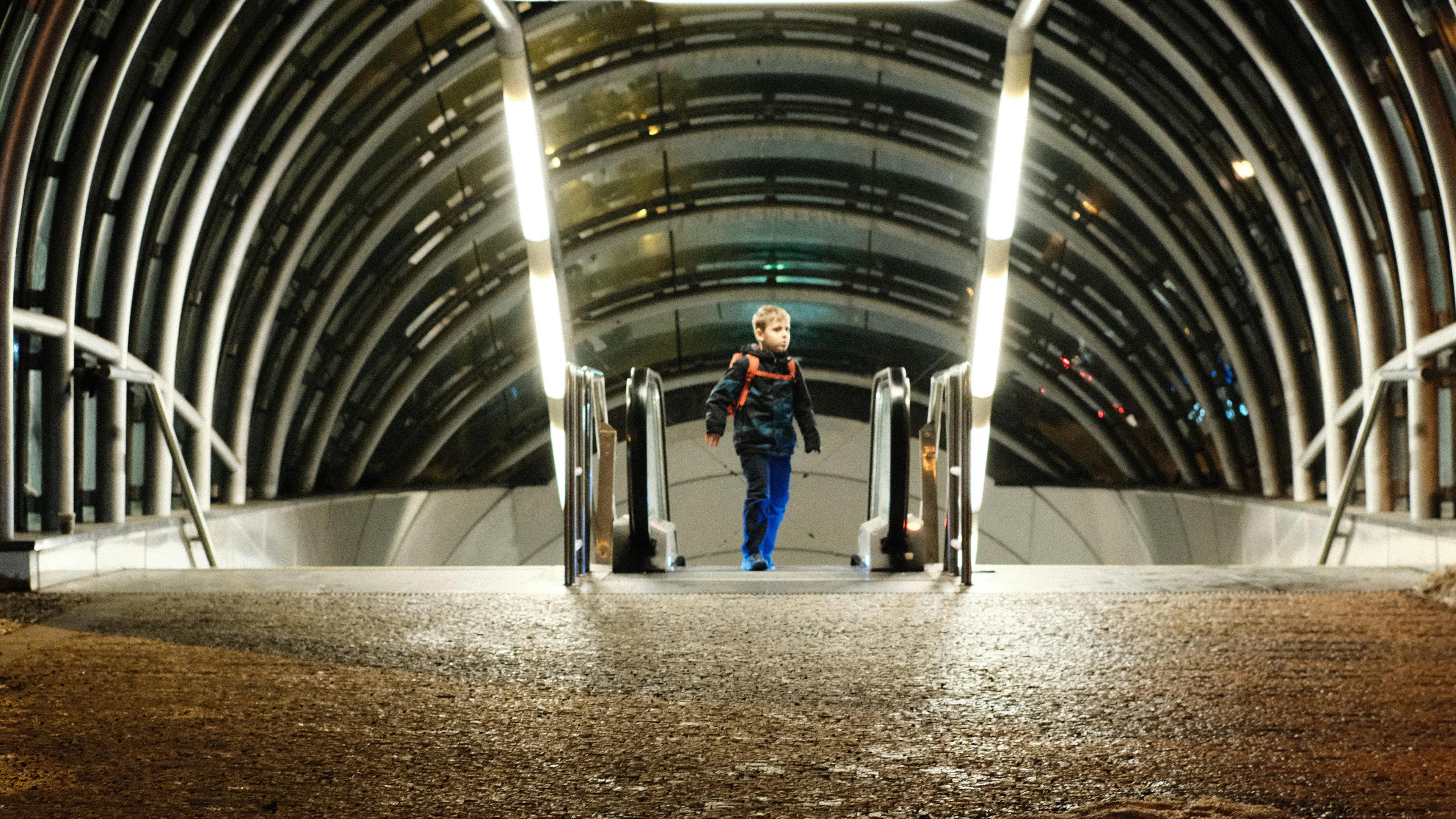
The UNICEF Initiative is just one of the many guides available to help organisations include children in the design process, and there are multiple toolkits available on co-designing with children, provided by organisations such as universities and the British Government. Co-design is a collaborative approach to design, in which the designers work with stakeholders throughout the process to ensure the final product is successful in meeting the needs of the end users. Co-designing with children can be done through workshops, model making, drawing and play based activities to ensure their views and opinions are heard and considered at every stage of the process. Having these toolkits available makes it easy to engage with children successfully.
I believe that these tools should be utilised more in order for children to be included in the design process, something which is incredibly important. It not only ensures that the spaces we create are inclusive of all, it could also help to start growing the next generation of designers and residents who care deeply for both their community and their environment.
Written by Ella.

