
Beyond the Portfolio: 5 Tips for a Standout Grad Application
When I first started applying for graduate roles, I believed the process was simple. Prepare a CV, write a cover letter, send a portfolio, and wait.
After going through applications, interviews, and conversations with people already in the profession, I realised something important. Those documents are only the starting point. What really makes someone memorable is everything around them: the curiosity they show, the effort they put in, and the way they connect with the practice they are applying to.
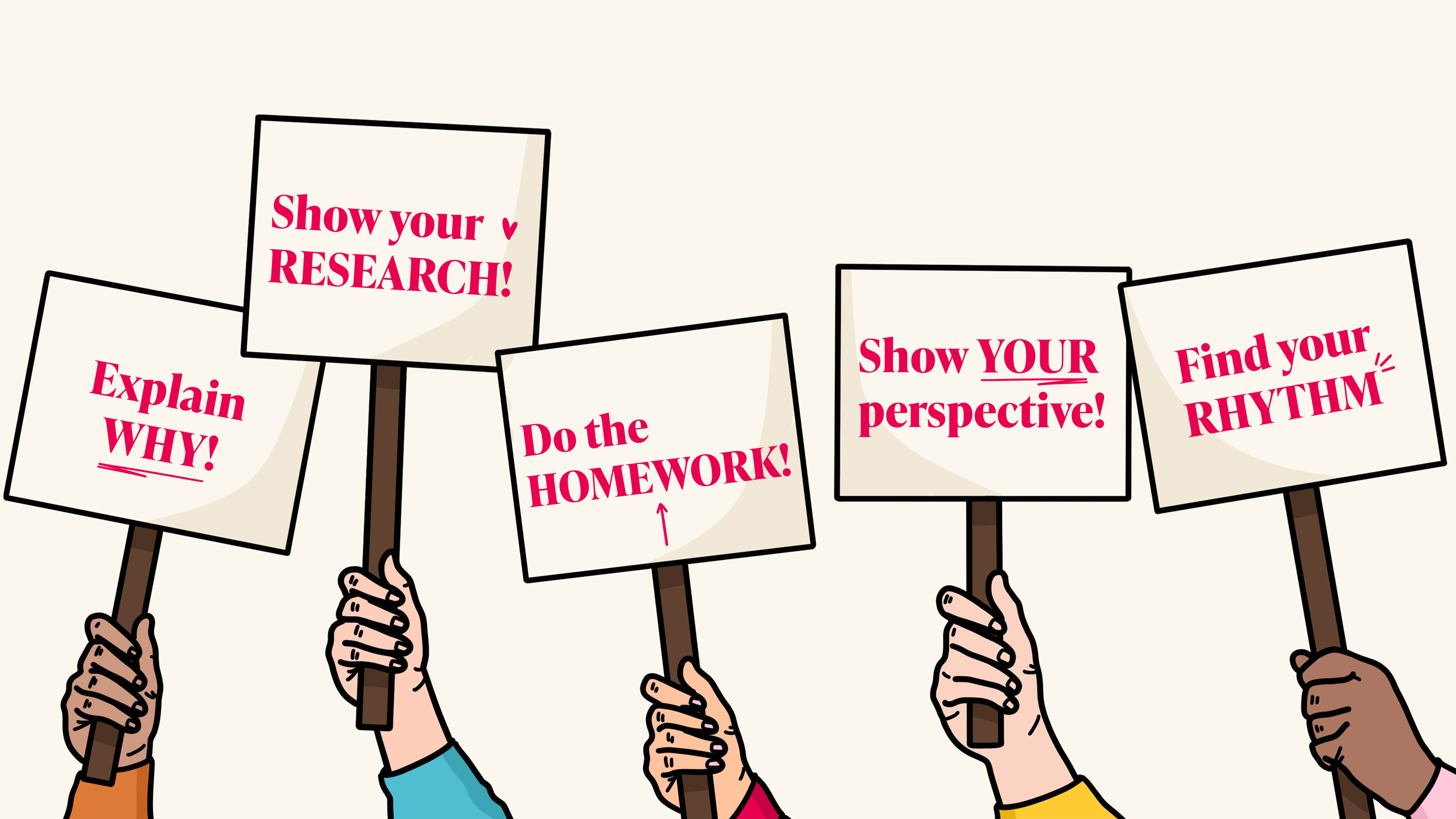
Looking back, a few small habits made a real difference in how I approached applications. None of them were complicated, they were simply ways of showing more of myself beyond the portfolio. So if you’re a soon-to-be graduate thinking about your options, or considering applying to the edge Graduate to Director programme, here are my top 5 tips for a standout application!

1. Show your perspective
A portfolio shows what you have produced. It does not always show how you think.
During the application process I realised how important it is to share your perspective on the profession as well. This might be through conversations, through how you engage with ideas online, or even through the way you talk about projects that interest you.
Platforms like LinkedIn became useful for me in this sense. Following discussions, responding to ideas, and sharing thoughts about urban life around me, helped me feel more connected to the wider industry. It also helped me understand how different practices approach the urban design world.
Urban design never really sits on its own. Planning systems, policies, communities, and regulations all shape what a place eventually becomes.
When you show awareness of this wider picture, people start to see more than your drawings. They begin to see the way you think.

2. Explain why you are applying
Writing a cover letter can easily become an exercise in repeating your CV. I realised it works much better when it focuses on something simpler: intention.
Why this practice? Why me?
Every application gave me a chance to reflect on what attracted me to that specific studio. Sometimes it was the scale of their work, sometimes the places they were working in, and sometimes their approach to collaboration.
Explaining this clearly helped me feel more confident about my own direction. It also showed the practice that I had thought carefully about where I wanted to be. When an application reflects both personal interest and professional growth, it begins to feel less like a request for a job and more like the beginning of a conversation.

3. Do the homework
Many applications start and end with job descriptions. I found it useful to go a little further.
Looking at recent projects, reading about the practice, and understanding the people who work there helped me build a clearer picture of how the studio operates. Sometimes that meant following team members online, attending talks, or simply paying attention to the discussions happening around their work.
I realised I understood the practice much better after this than I did from the job description alone and thus when these insights come into an interview naturally, the conversation feels very different. Instead of guessing what the practice does, you speak with familiarity. That small shift shows genuine interest and effort.

4. Reflect that research in your portfolio
After spending time understanding a practice, the next step was thinking about how to reflect that interest within my portfolio.
One thing that helped was presenting the portfolio as a short journey of my development. A brief introduction explaining how my interests have grown over time made the work feel more personal.
Sometimes I also mentioned projects from the practice that genuinely excited me and explained why they resonated with my own interests. It was not about flattering the studio. It was simply about showing a real connection to the work they do.
Small touches like this made my portfolio feel less like a collection of university projects and more like a reflection of how I am growing as a designer.

5. Find your own rhythm in the process
Applications can quickly become overwhelming when you are applying to multiple places. One surprisingly helpful habit was keeping track of everything in a simple spreadsheet.
When I applied, when I followed up – it sounds basic, but it made the whole process much clearer and more organised.
I also realised that opportunities do not always appear only through advertised vacancies. Open studio sessions, talks, and informal conversations can introduce you to a practice in a much more natural way. Walking into a space and meeting people face to face often creates a connection that a PDF cannot.
Doing things this way feels different because it is different.
A final thought
Applying for graduate roles can feel repetitive at times. Many people send similar documents and hope for the best.
What slowly made a difference for me was the small efforts along the way. Taking time to research, connect with people, and presenting my work in a more thoughtful way.
Approaching the process with curiosity and intention changes the experience completely. People notice the effort, and they remember the person behind the application.
And in many ways, that is what turns an application into an opportunity, and eventually into a place where you feel you belong!
Written by Neha

