

Water For Peace
Today is World Water Day – an annual United Nations event coordinated by UN-Water, who’s role is to ensure that the United Nations ‘deliver as one’ in response to water-related challenges. World Water Day was formulated to inspire action in order to properly tackle the global water crisis, and this year’s theme is ‘Water for Peace.’ This has prompted us to consider how we integrate water and protect this important resource in our work.
At edge we aim to respond to these water-related challenges within all aspects of our work, delivering resilient places which not only preserve, but ultimately enhance our natural resources. This is a key driver for creating places which people love, and feel safe in.
One World, One Site
Water presents many challenges for Urban Designers, too much or too little can upset the balance, affecting not only our enjoyment of a space, but sometimes our safety and livelihoods within it. In some places around the world, water, or a lack of, can even lead to conflict. At edge we look to be a part of the solution – through our step-by-step approach we pursue a design that respects and works with water and where possible showcases its natural beauty.
Zooming out.
Looking beyond the red line boundary reminds us that no matter the scope and scale of a Site, it will always be a part of the Earth. At edge we approach all our work with a strong sense of responsibility to the ethos that no site stands alone, there are many influential factors surrounding the places we design which are constantly evolving, so step one in our process is always to ‘zoom out’.
Those factors include but are not limited to topography, green networks and wildlife corridors. Water forms an intrinsic part of these natural layers, either through how the environment is enriched, or because of the technical challenges associated with drainage. To ensure that our work never causes problems ‘downstream’ (pardon the pun!), we consider the impact that our designs may have on the surrounding context in terms of water bodies and the water cycle.
Collaboration for the (United!) Nation.
Fundamental to the success of any project is being collaborative. In today’s fast paced and ever-changing environment, we learn more about the world and ways to protect it every day. As Urban Designers we understand that it is our responsibility to encourage a multidisciplinary approach to our design work. Together with specialist consultants who best understand the technical constraints associated with water, be it river, pond or sea, we can respond to the challenges presented in a bespoke way. Although most of the challenges we face involve surface water, as mentioned earlier, the way we deal with this may impact other parts of the environment. It’s through collaborative teamwork that we can step back and recognise these factors early in the process.

Making Magic
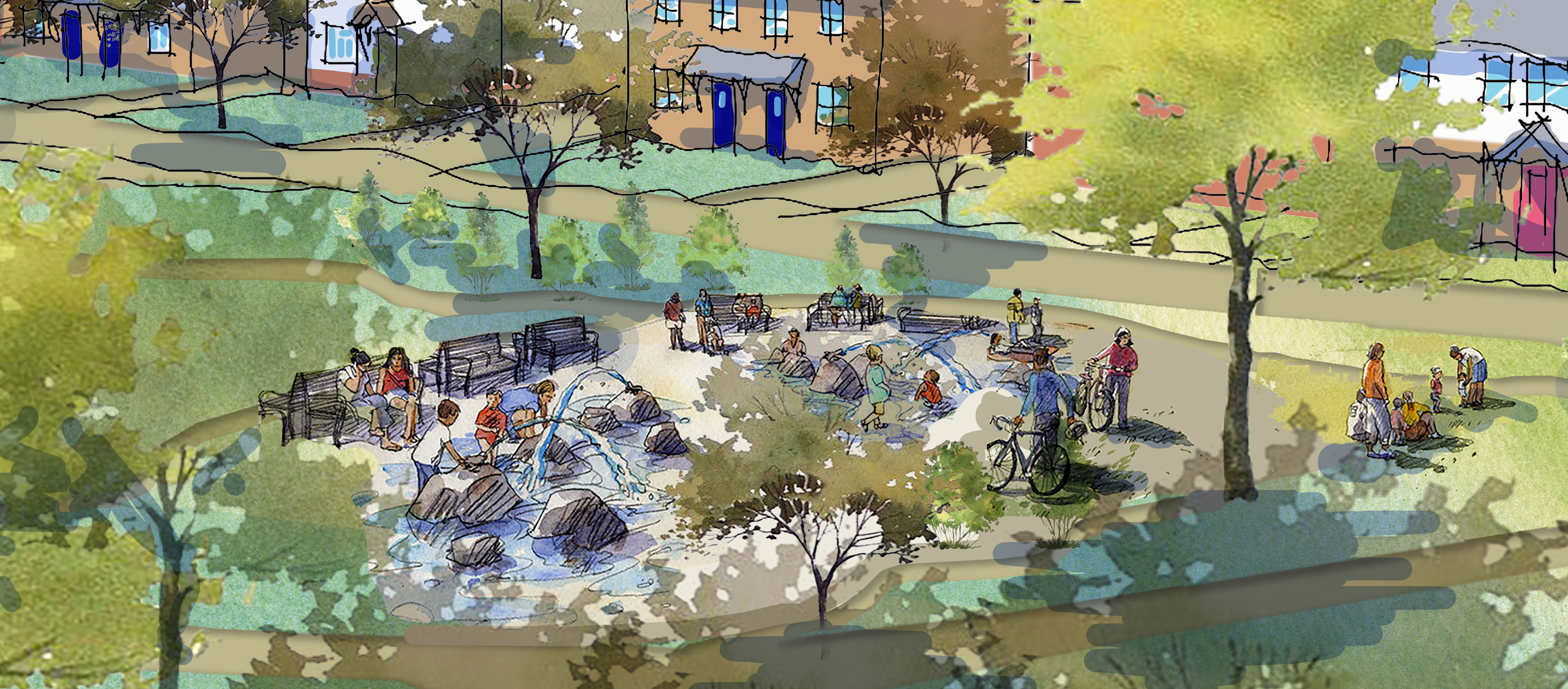
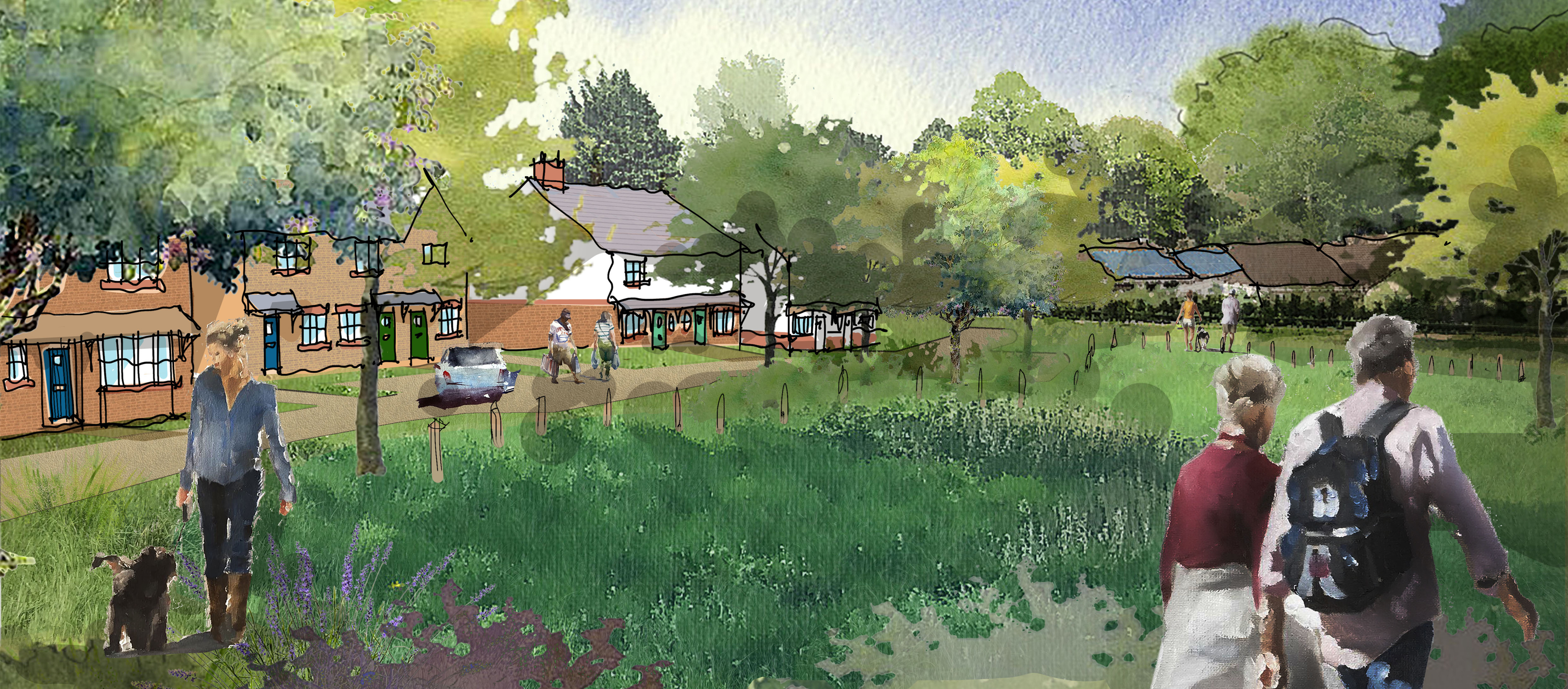
Ultimately, water is fluid…obviously. Let’s explore that a little further though. We all know water is a fluid, but water is so special, as it can also exist as ice and gas! Let’s consider for a moment, how challenging it is to respond to something which can transform into three different states! Water is magical, and at edge we aim to showcase that magic wherever possible. There are many amazing ways water can be used as an asset – some examples include creating swales with boardwalks, basins which create new wildlife habitats, and water parks within natural play spaces. Waterfronts have long been sought out as the ideal place to live throughout history, as water could provide sustenance as well as movement and access. In fact, according to research by Knight Frank, “a UK home by the water was worth up to 48% more on average than an equivalent house not by the water in the second quarter of 2023” (24housing.co.uk). At edge we look to invite the magic into our designs by incorporating water into our schemes in a way which is as multifunctional as possible, so it can be enjoyed in a leisurely way, such as walking, cycling and playing! Additionally, we design our blocks to ensure there is activation onto the water, which not only adds value to a scheme and creates safer, well-overlooked public spaces, but also contributes to people’s overall wellbeing.
Magic or Sorcery?
Although we at edge love the water, it is important to understand its transformative nature, especially in the UK context. While living by the water is clearly desirable, the magic can be somewhat lost when the water unexpectedly rushes through your front door. In England, one in six properties are at risk of flooding (gov.uk), and it is therefore of paramount importance as Urban Designers that we address this at all stages of our work.
Managing the risk of flooding in the UK is a balancing act between site availability, the changing climate and the nation-wide housing crisis. But there are ways to manage these risks and ensure safety and viability at the earlier stages of design. One way in which this can be done is through something known as the ‘sequential test’. This test aims to guide developers to more appropriate sites by requiring applicants to prove that there are no alternative lower risk sites available for development. This can sometimes be followed by an ‘exception test’ which shows how flood risk can be effectively managed.
Other mitigation strategies include all of the above steps, looking at the site in context, understanding the risks and working with specialists to ensure the safest and best approach can be found. Sometimes this can be achieved through carefully designed SuDS, green/blue roof systems, water storage solutions and grey water solutions, to say the least.
Saving the world is thirsty work
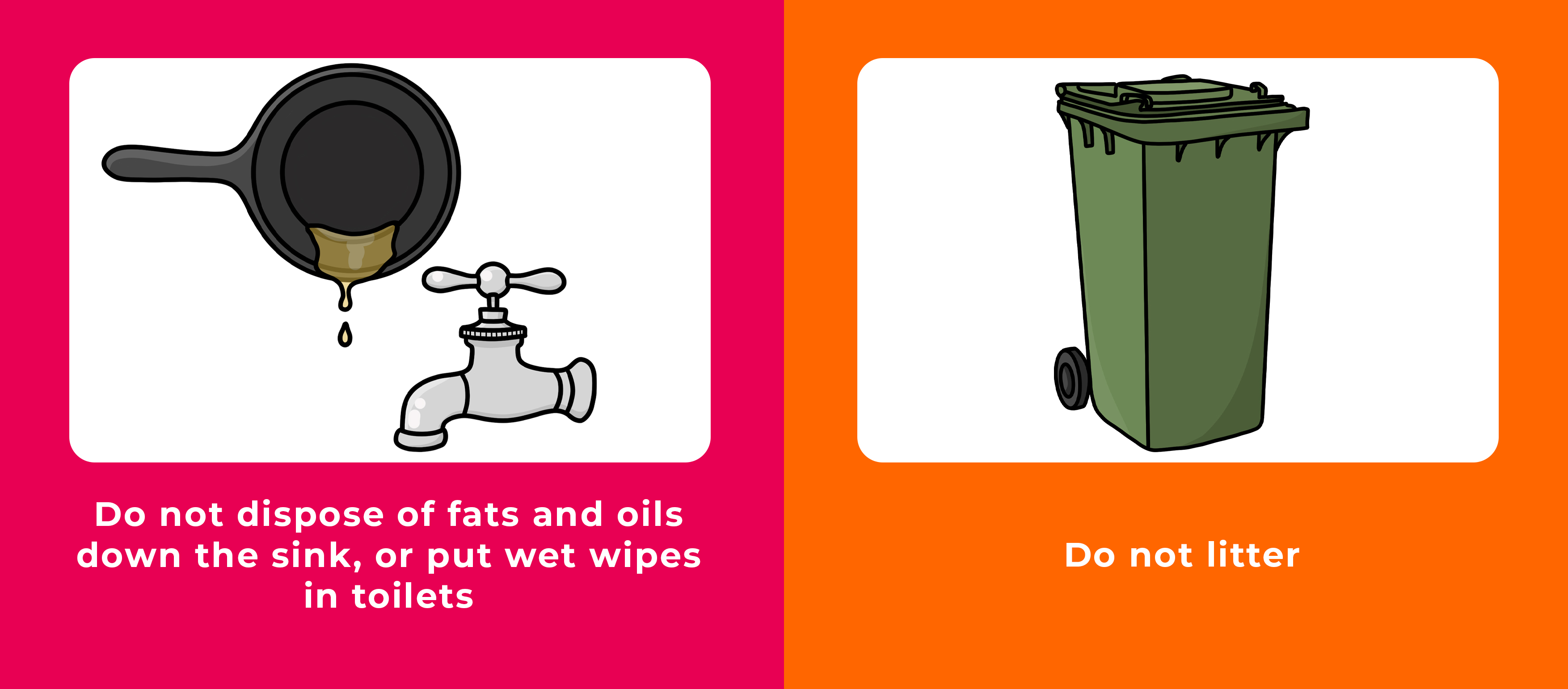
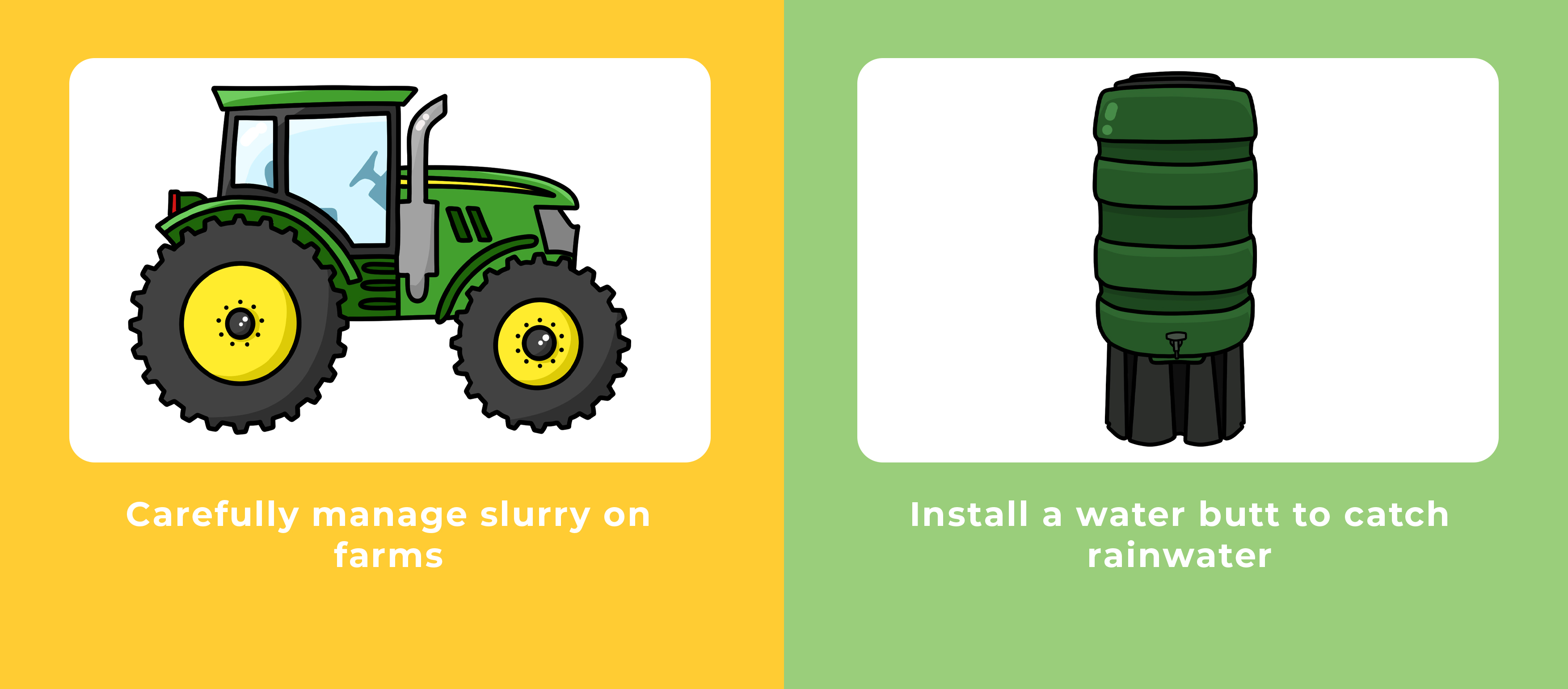
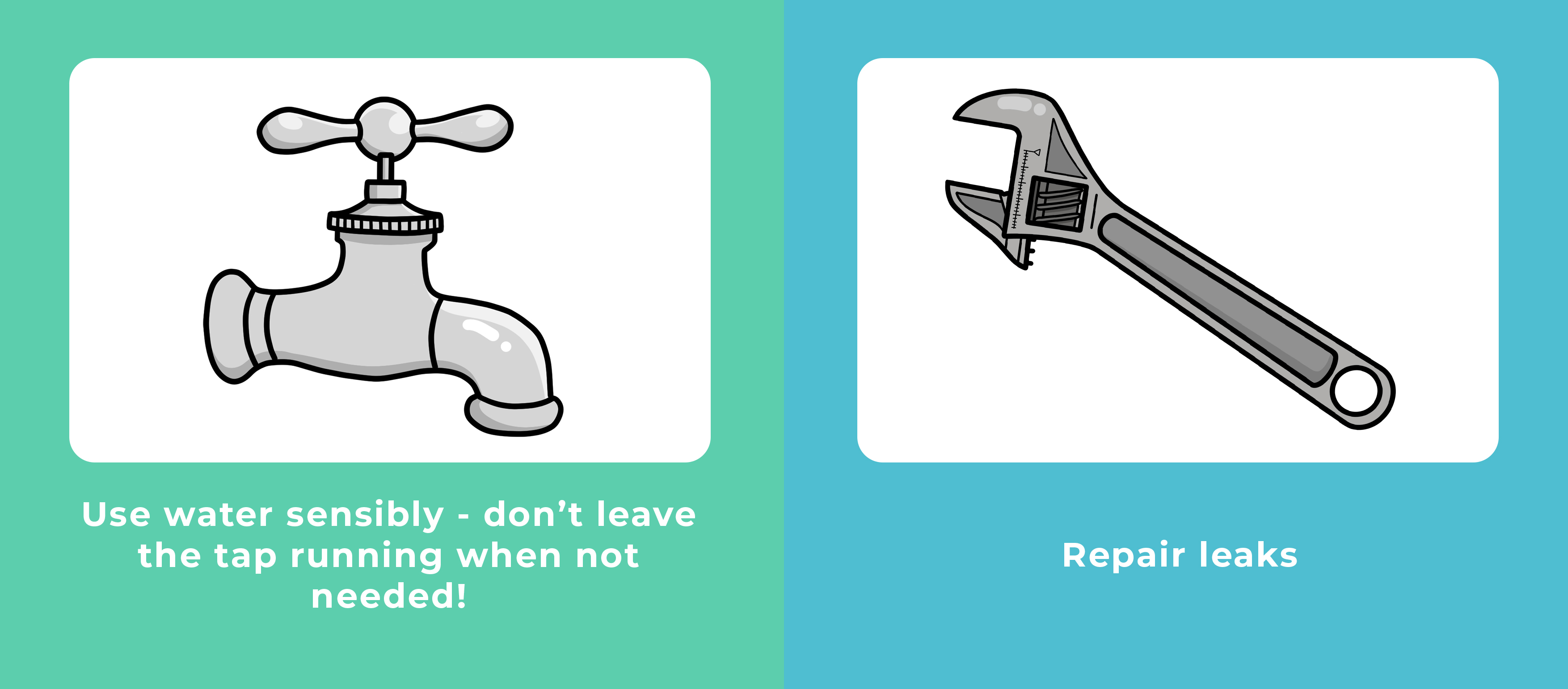
‘Water’ and ‘Peace’ as separate entities have such a profound impact on our daily lives, but Water for Peace joins the two in its meaning. Water FOR Peace encourages us to come together as human beings, which we at edge support though our humanistic urban design approach. Our curiosity to know more and do better means we are always learning, and we encourage all people to embrace some aqua knowl’edge’ with us and do your own bit to help protect water. As well as the careful integration of water in our schemes, here are a few ways we can all do our bit to help straight away:

If we all take care of our places, our places will take care of us.
Written by Izzie

