Izzie on Designing a Future
Next up in our meet the edge team series is our Assistant Urban Designer Izzie! Here she talks about the importance of history, designing a future and daring to dream.
A tale as old as time
This story begins as many do, a long time ago, in the realm of the past. History is a topic which has always fascinated me, it always seemed so far away, like a story, and yet these days I find myself contemplating how very close the past is to us, and I believe this is particularly true within our urban fabric.
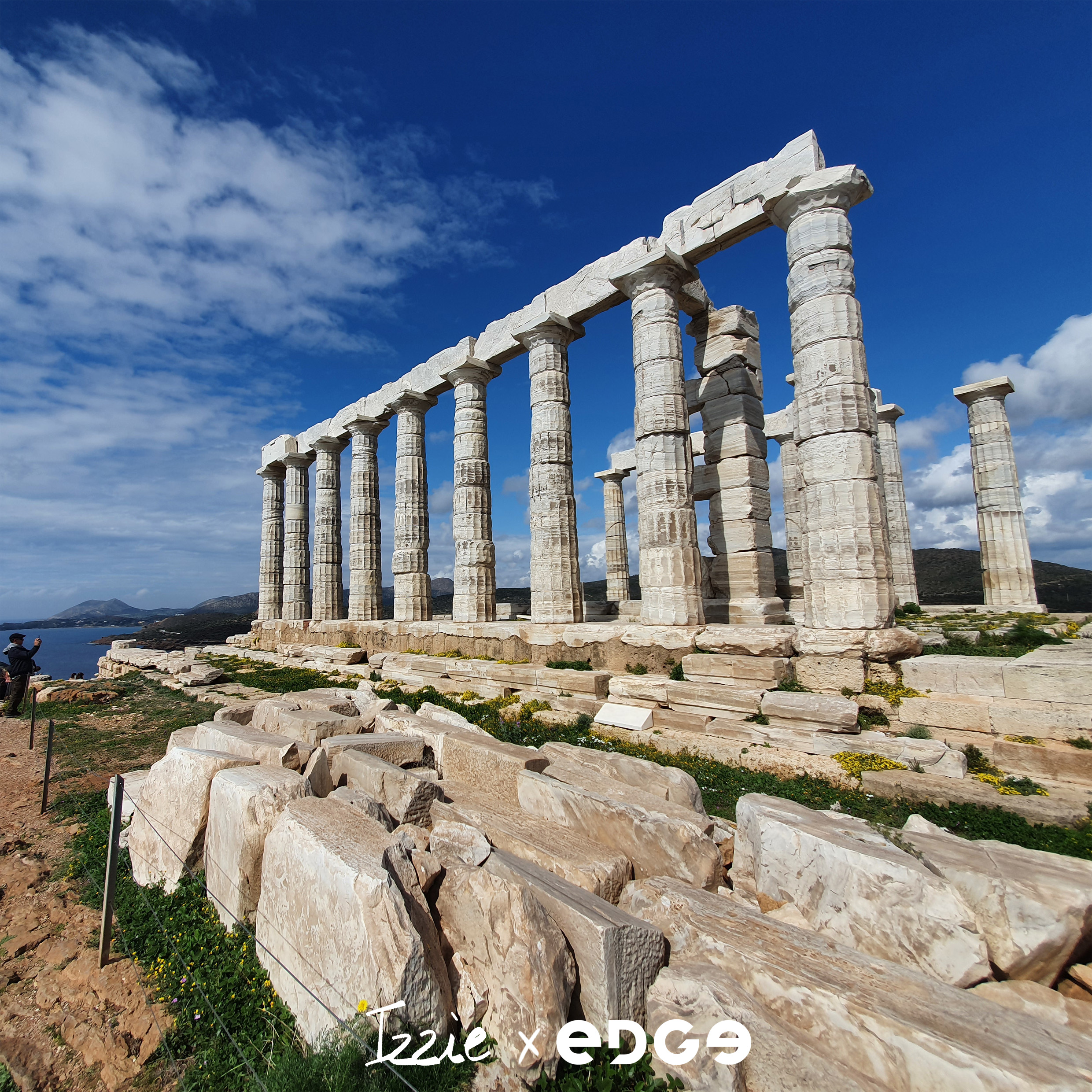
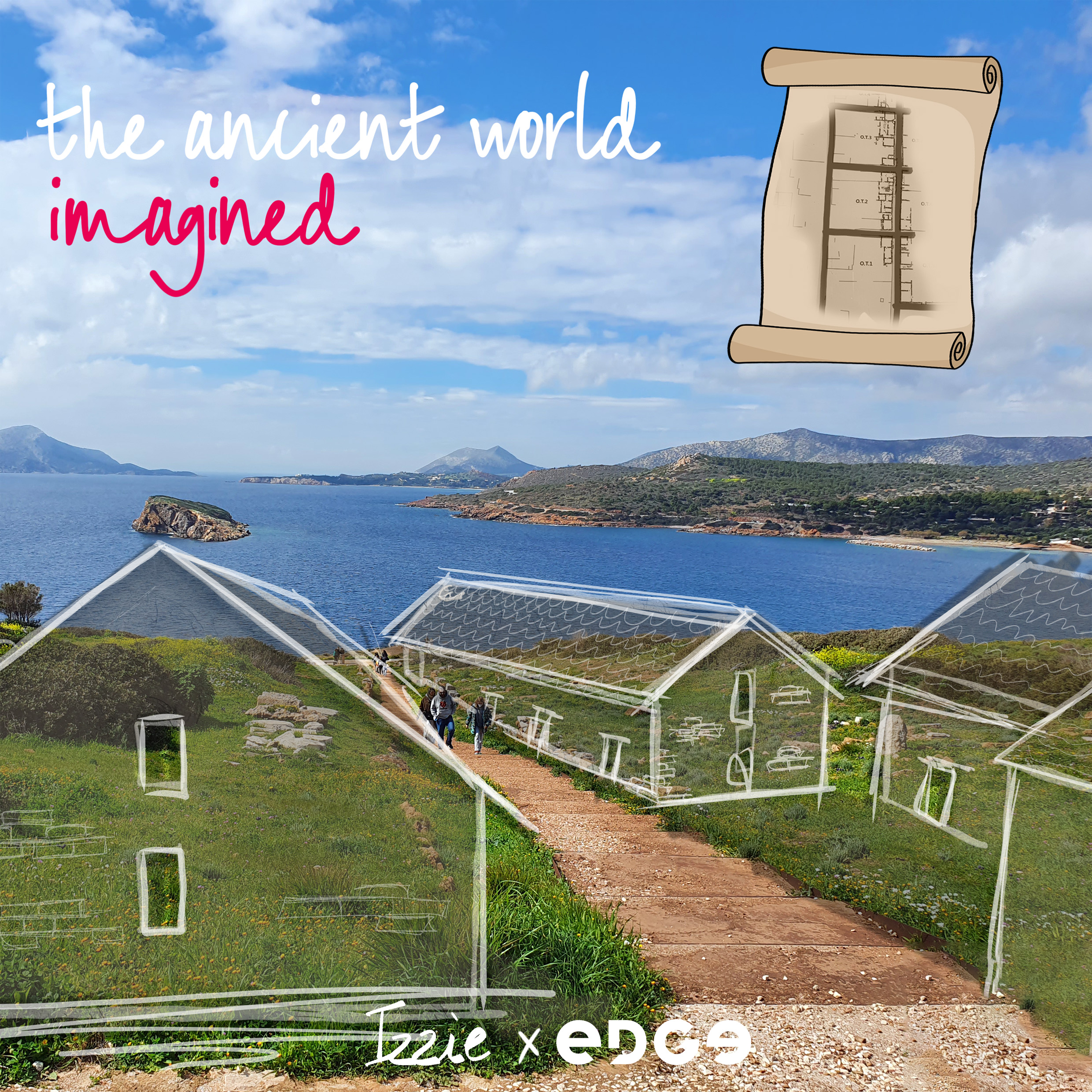
Confucius once said, “Study history, study history. In history lies all the secrets of statecraft.” This is very telling, as there are many lessons to be learned from our past if we can ask the right questions. This has never been clearer to me than when I took a trip to Athens. I came across an information board at Cape Sounion and the temple of Poseidon (God of the Sea). The board displayed the rough layout of the ancient settlement. The plan had on it a clear movement network which facilitated travel between the port, the village and the temple, dwellings which fronted the primary street, as well as defensive walls. The observation I made whilst at this beautiful ancient site, was that people have always found simple and successful ways to meet their needs. The most challenging element we face today is working out what these needs actually are in our global and ever-changing world.

Dare to dream
I started my story by obsessing over history, but the truth is I have many obsessions, which is probably why my journey into Urban Design has been ‘wibbly wobbly’. When I was younger people would ask me, ‘what do you want to be when you grow up?’, and as a child I would say, ‘a mermaid.’ People laughed and then asked me again a few years later, but by then I couldn’t answer. I couldn’t work out what I could do that would suit all my random pursuits and allow me to be creative as well as scientific. After a wibbly wobbly journey through an unfinished degree in New Media, a short period of teaching maths, a degree in Architectural Technology, and working throughout the pandemic as a technologist, I finally embarked on a master’s in Urban Design. I think one of my greatest strengths is my curiosity about the world, which has allowed me to see it through many different lenses – technical, creative, and even as a child who dreams of being a mermaid. To design great places, I believe the greatest tool we have is empathising with as many people as you hope will use that space. My hope is to help create places which allow people to be imaginative, and to dare to dream as I did.

Designing a future: make space for growth
Something I have learnt throughout studying urban design is that most things aren’t permanent, and it’s so important to look to the future – especially now. There are a number of topics that I think are important to consider when designing the future of urban places, and one of those is food!
Food is one of those things we just can’t live without, literally! But how many of us pay any attention to where this food comes from? We live in a privileged time where some might answer that question with, ‘Food comes from Tesco,’ but this means places have become disconnected from food production. Historically this happened because of coal enabling the food supply chain to extend over longer distances, which is not very sustainable – especially on a global scale. However, we’re now seeing some exciting solutions to this problem, such as urban farming, vertical farming and edible places.
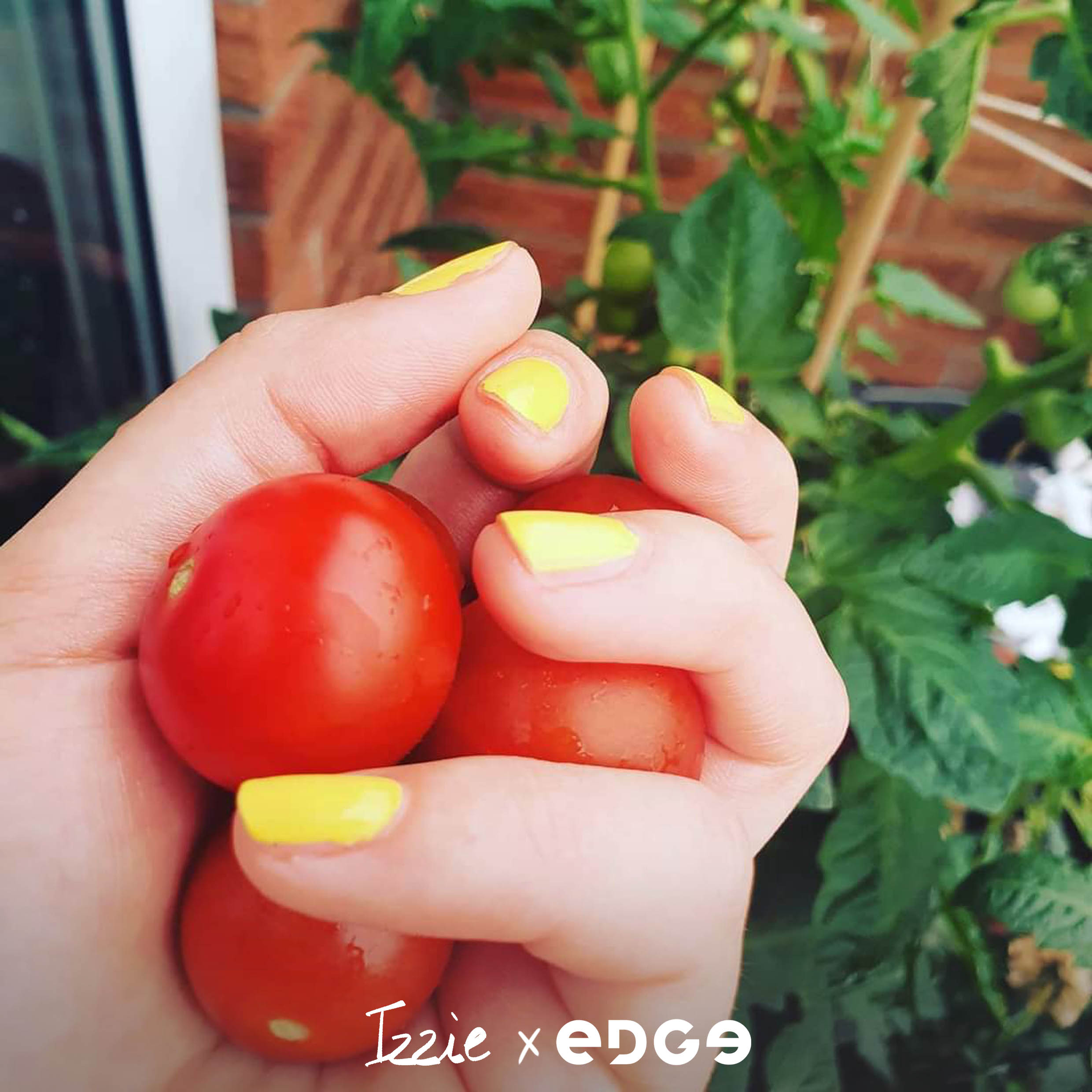
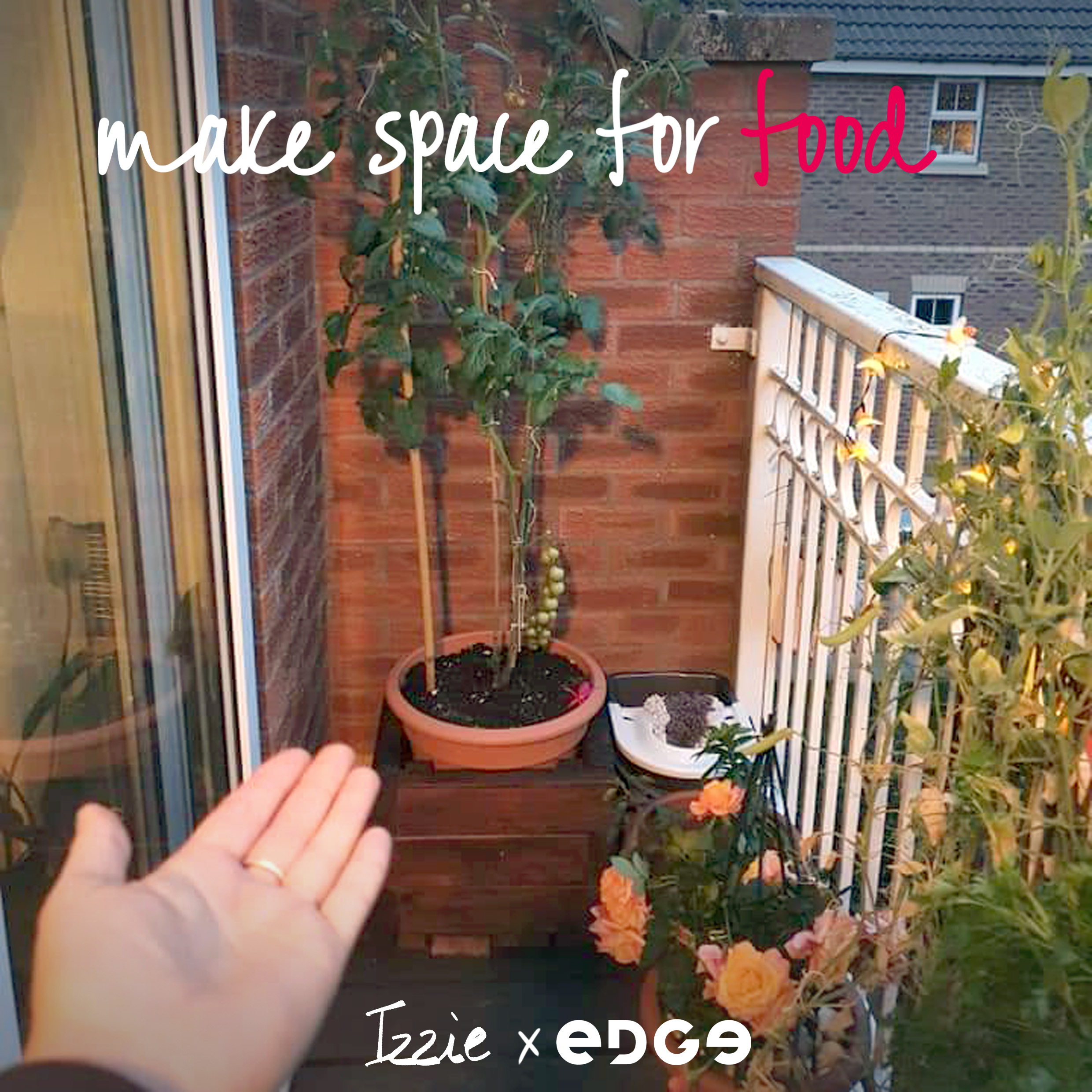
All these methods seek to inspire people to grow their own food, and much of this can be aided through urban design. The simplest answer is first to provide the space for people to grow food, and this doesn’t have to be an allotment or private garden – this can be in our streets, on the walk to school and in other public spaces. Second is the knowledge of how to grow food. Once people are inspired and feel confident, this can be achieved in even the tightest of spaces. For example, over covid lockdown I turned my tiny balcony into an oasis of tomatoes, sweet peas and rocket!

Designing a future: make space for water
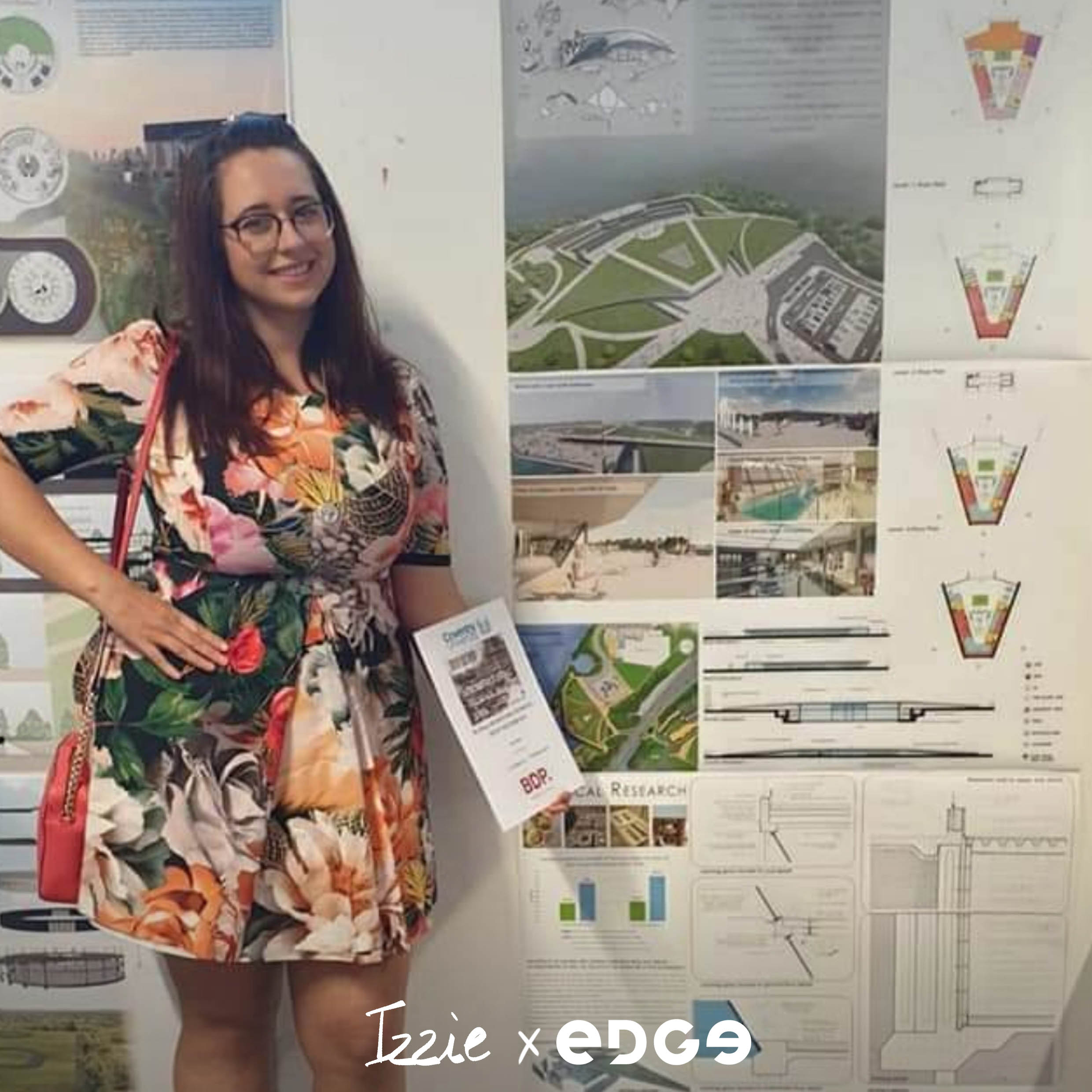
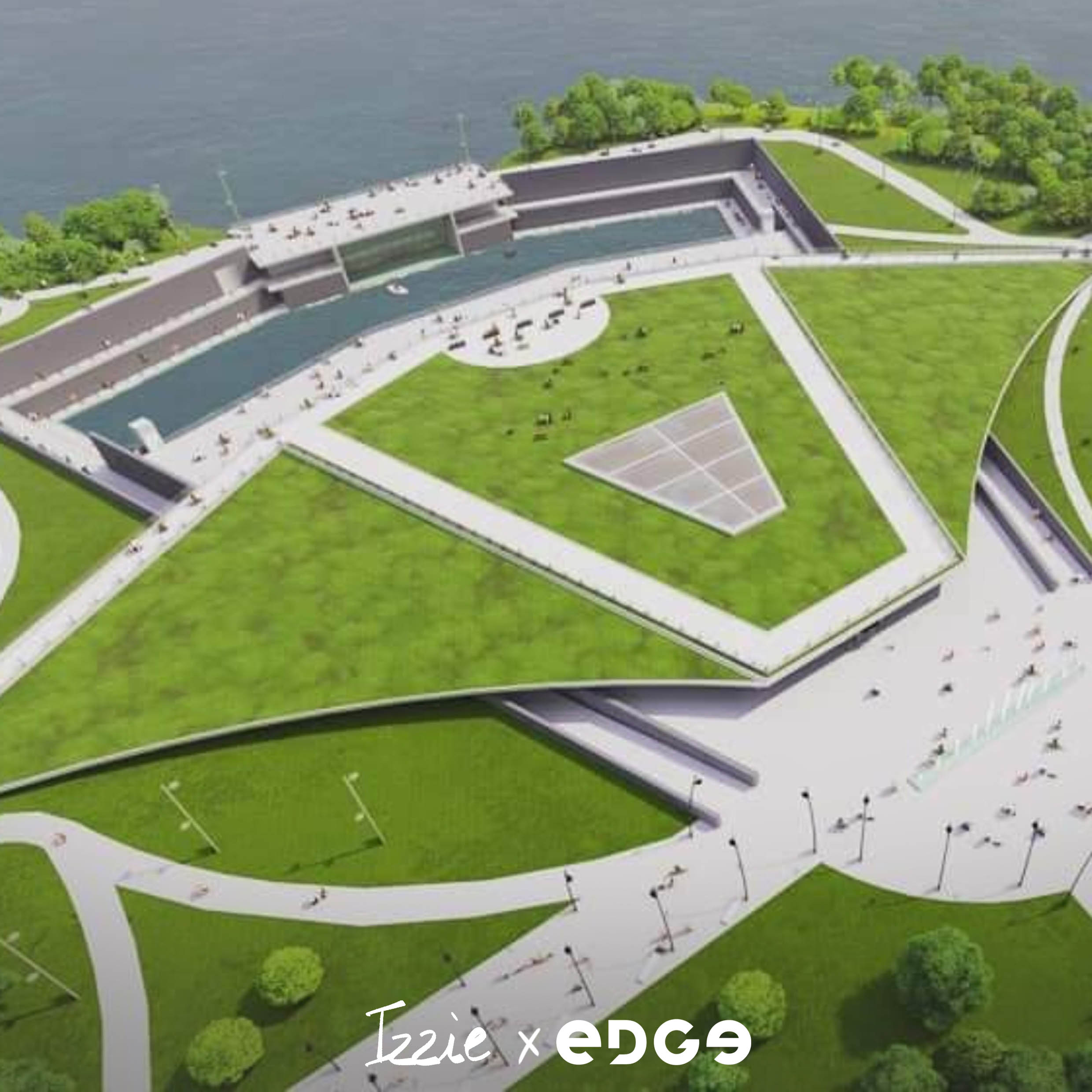
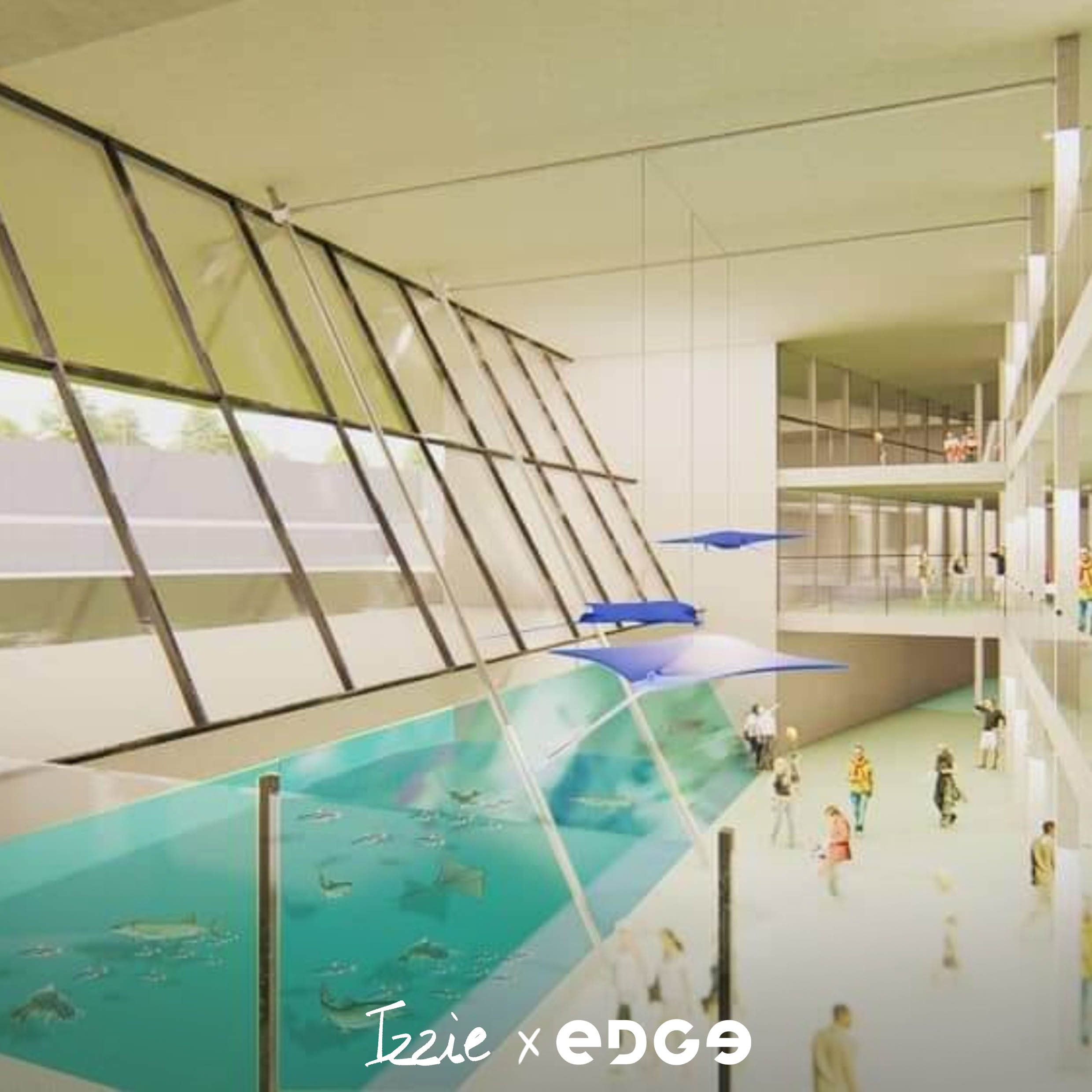
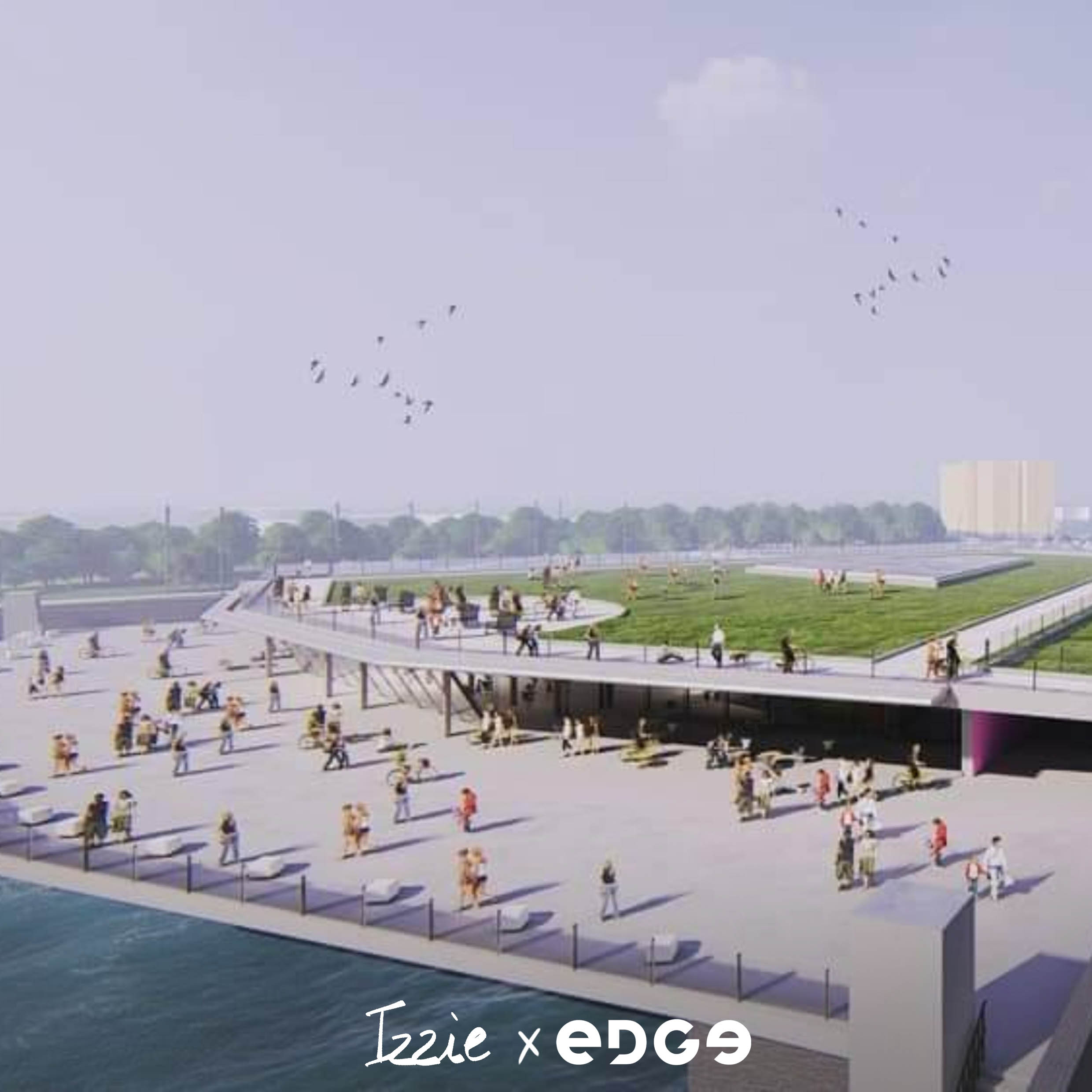
Another threat facing our urban futures is the changing climate, and for many people this threat comes from water. Sea levels rising as well as water security are issues we must face as we move into the future. As urban designers it is part of our challenge to balance keeping the spirit and character of places alive, whilst adapting to our changing needs. Although I alone do not have the answer, I am inspired by some examples where urban design has made space for water, such as the method of acceptance – where places adapt to the water levels rising and find new ways to live with it, such as the famous floating house which was built on the Thames (and featured on Grand Designs!) My final year project for my undergrad explored the idea of building with water by proposing a ‘sunken’ aquarium, which sat partially submerged in a lagoon. With this project I was lucky enough to be a runner up for the CIAT Student Award for Excellence in Architectural Technology 2019.
Designing a future: make space for fun
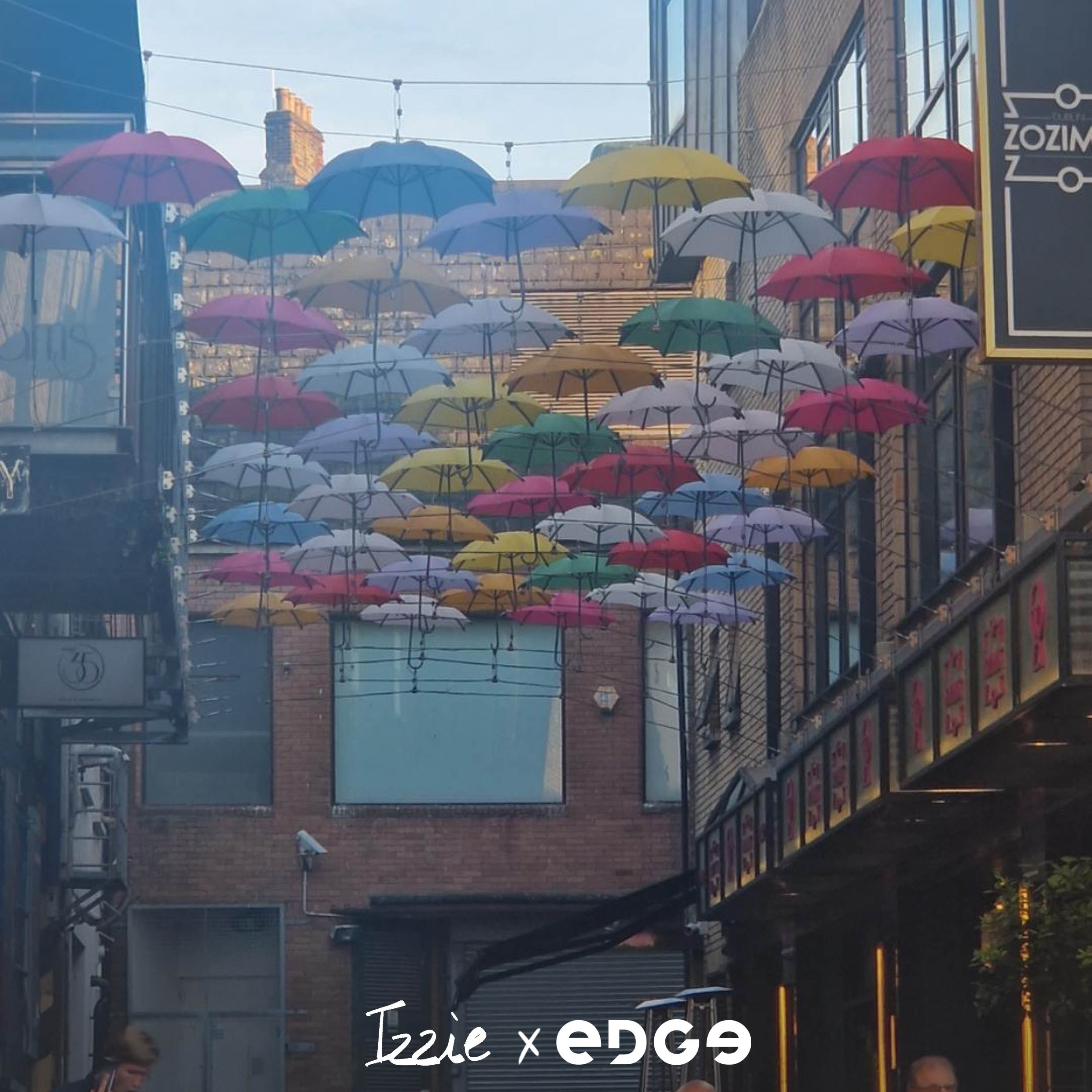
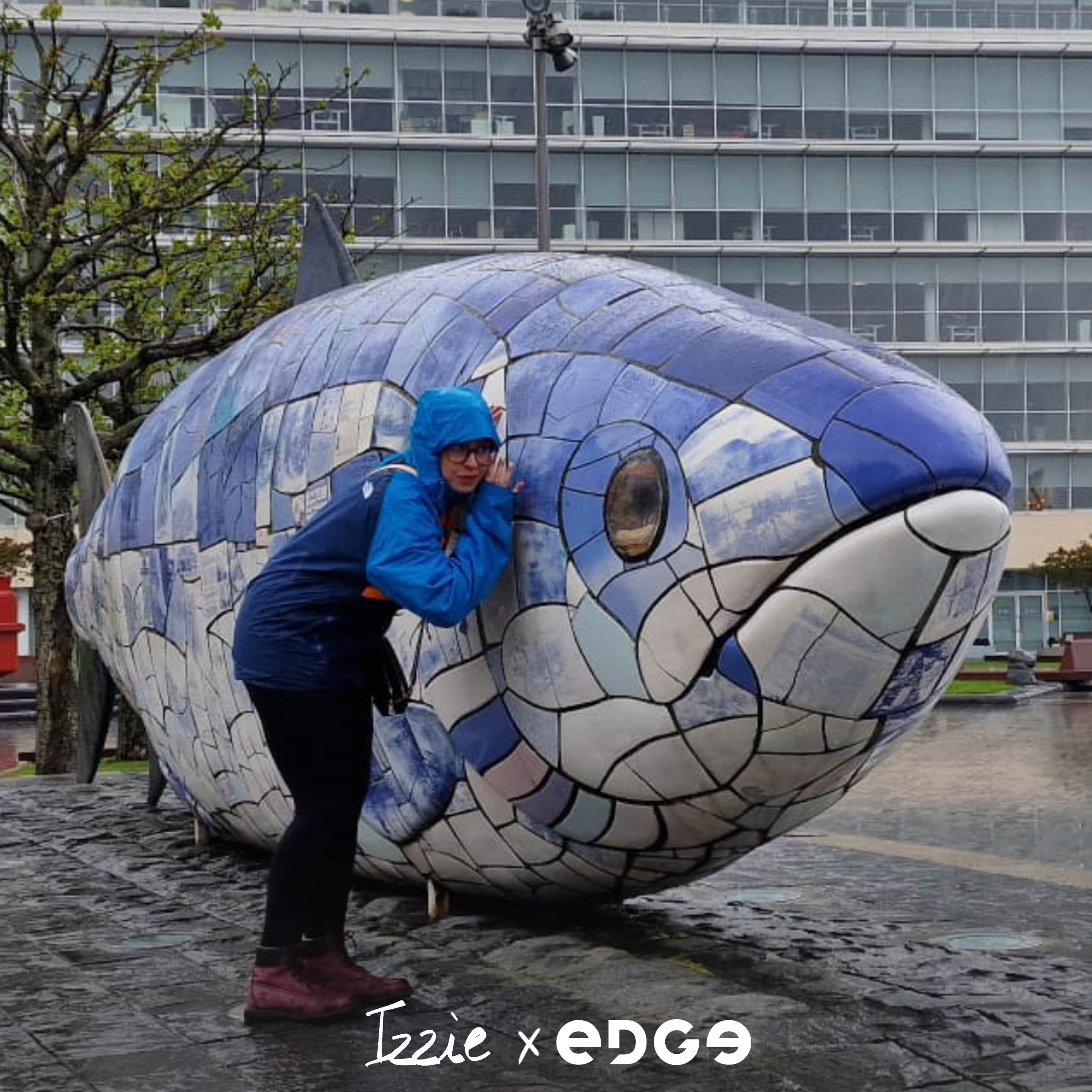
The urban realm can be a playground, not only for children, but also for adults. My master’s dissertation researched the idea of playful spaces which help to create healthier places. Whilst at first glance, adult’s play can seem unnecessary and something which is more suited to children, but research suggests that playful adults could live up to 10 years longer! Play can also lead to many health benefits, both physical and mental, which is why I think it is important to design places which can facilitate play for all ages. Some design choices can be simple, such as designing equipment which is big enough for adults to use. Another aspect, and this is the most important, is to create a judgement free space which feels safe and creates a challenge for people. Competition, even with oneself can drive our curiosity and willingness to engage with the activity, however if the environment isn’t safe and inviting, people will avoid it. Here are some examples of playful spaces I find inspiring.
Written by Izzie