

Falling In Love With Place
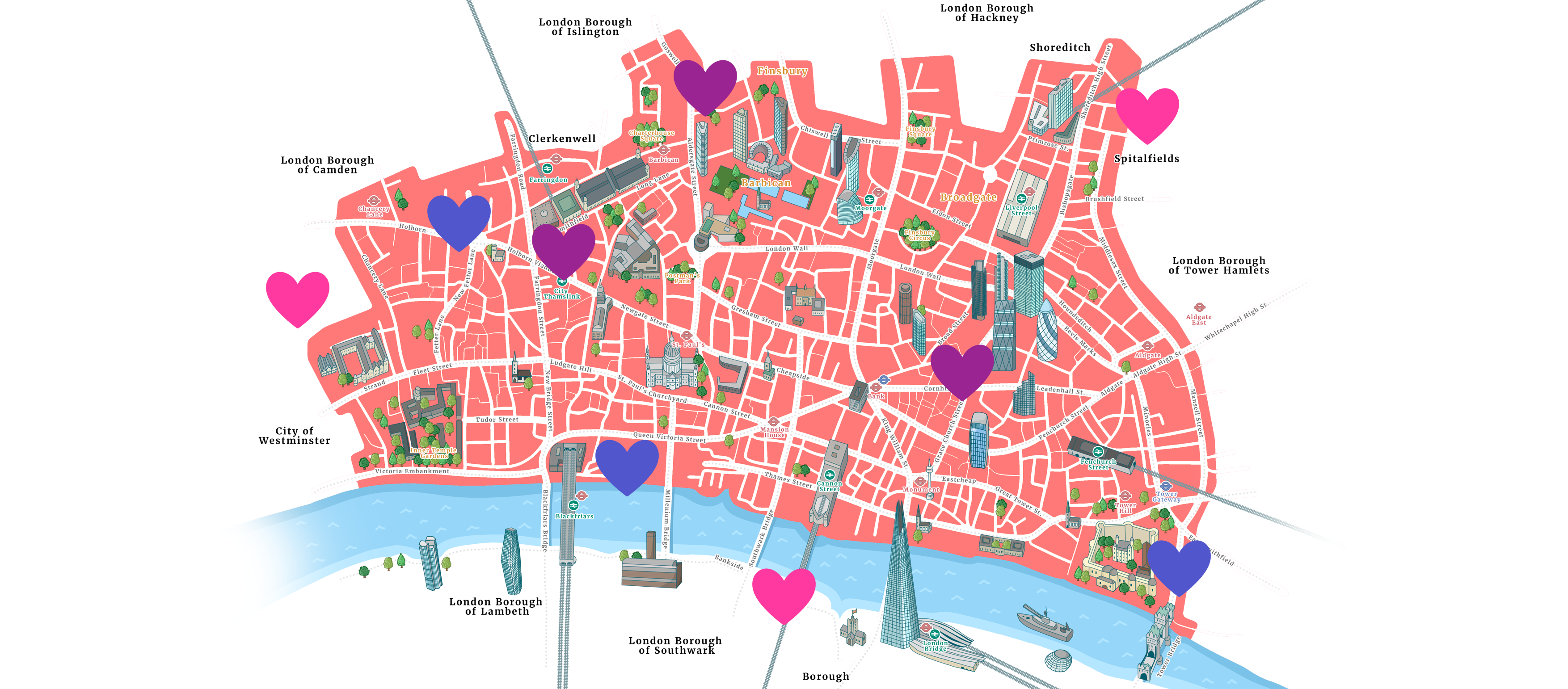
We’ve all created a masterplan over the years with a heart at the centre, symbolising the centre of a place, a gathering point, a focus of activity. Today on St Valentine’s Day we question what this really means – is falling in love with place the same as falling in love with people? How can we create successful places that people naturally love…?
Today we’ve learned a new word; topophilia; a strong sense of place or love for a particular space, this is often connected to a person’s attachment to a specific location or landscape.
Building Better, Building Beautiful?
The description of the “Building Better, Building Beautiful Commission”, has often raised the question – how do we define beauty? It may be that we’ve fallen in love with a place for a number of reasons, (not just because we find it beautiful) and those are often rooted in the emotional and psychological connections that we form with our surroundings.
- Emotional: Places can evoke strong emotions through aesthetic appeal, natural beauty, or cultural significance. Positive experiences in a location can create lasting memories that contribute to a sense of attachment.
- Identity and Belonging: Places often become part of our identity, providing a sense of belonging and rootedness. The places we love may reflect our values, lifestyle, and personal history, contributing to a feeling of authenticity and self-discovery.
- Comfort and Familiarity: Familiarity and routine in a particular place can create a sense of comfort and security. The predictability and reliability of a place can contribute to the development of strong emotional bonds.
- Cultural and Social Connections: Places can be associated with cultural events, social interactions, and community life. Engaging with these aspects fosters a deeper connection and a feeling of being part of a larger collective experience.
- Aesthetic Appeal: Beautiful landscapes and architecture, can captivate our senses and contribute to a sense of wonder and admiration, fostering a love for a place.
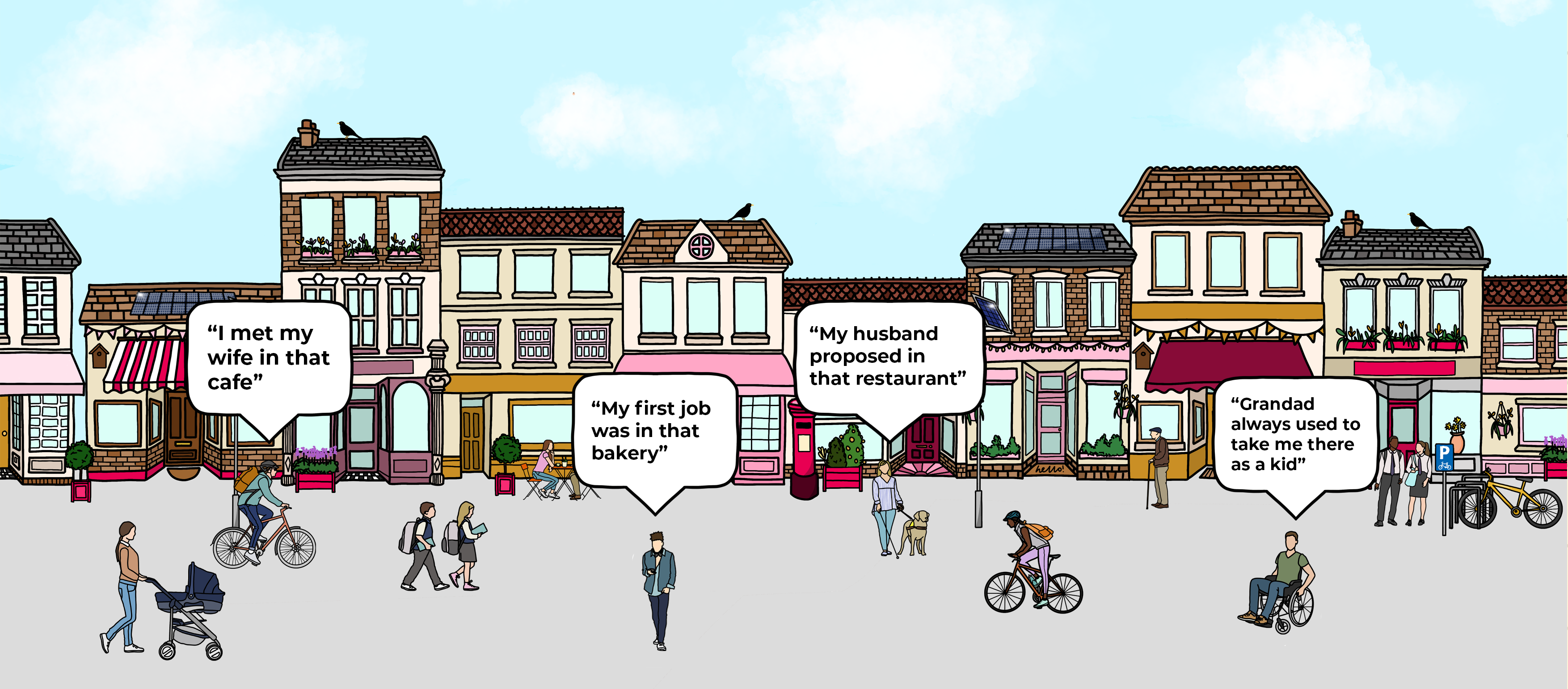
- Positive Experiences: Positive interactions, relationships, and activities within a place contribute our perception. Whether it’s your favourite café, a park, or a city street, positive experiences shape our emotional attachment to that place.
Our love for a place is a complex layering of emotions, experiences, and personal meanings that we each associate with our surroundings. No two people experience places in the same individual way, and these personal meanings create connection that goes beyond the physical attributes of a place.
Is there a secret ingredient to making places that people love?
Having a strong sense of place makes us happy and it can improve our well-being because it gives us a feeling of identity, belonging, and attachment. This is more than just the physical – it encompasses the social, cultural, and historical factors that contribute to a unique character of a specific place.
Creating beloved places often involves a combination of these factors, including thoughtful design, and a harmonious blend of nature and built elements. The “secret ingredient” is a balance that resonates with people’s emotions, needs, and a sense of belonging.
I once asked Sir Terry Farrell – “what makes a place special and how it can stand out so people love it?” His response was simply that “it shouldn’t stand out – we should be creating more of what makes this place great in the first place. Make more of what people already love!”
On reflection, nearly 15 years later, perhaps this is the feeling of ‘rootedness’? A deep connection and sense of attachment to a particular place or community. A feeling of being firmly grounded in a specific location with the idea of having strong, enduring ties to one’s environment, whether it be a home or a neighbourhood.
Why do we feel so much emotion when places change?
And so, with such deep emotional connections and attachments that we tend to form with our surroundings, change can be extremely distressing. We are creatures of habit and familiarity, and our sense of identity and security is closely tied to the environment that we live in.
When new developments are proposed, we can feel disruption to our familiar and comfortable environments, making us feel unsafe. This disruption can evoke emotions from nostalgia, to loss, to excitement and anticipation, depending on the individual. Changes in place can also impact our social dynamics, community bonds, and our own personal memories of this place.

Is falling in love with place the same as falling in love with people?
We’ve learned about place, what about our love for people? Our love for people can be simplistically split into
- Interpersonal Bonds: emotional connections, shared experiences, and mutual understanding.
- Complex Emotions: a range of emotions, such as empathy, compassion, and a sense of partnership.
- Dynamic and Evolving: Relationships with people are dynamic, evolving over time based on shared experiences, communication, and mutual growth.
In summary, whilst our love for people and places both involve deep emotional connections; people provide dynamic and interactive relationships, and places offer a sense of stability, identity, and belonging.
It is when our love for both place and people come together, that we at edge think that a place really can be called home.
Written by Hannah

