

Why mentoring matters in Urban Design
It’s a cold autumn Tuesday in mid-September, and the last thing that sounds appealing is sitting in my car for an hour to get to Thame. Then I remind myself: there’s the buzz of the high street on market day, the promise of teas made by Rebecca, and most importantly, the chance to see the team; to answer questions, brainstorm solutions, and learn something new myself, side-by-side with colleagues and the graduates we’re mentoring. So, with an edge reusable mug in hand, I think not only about the streets, spaces, and masterplans we’ll shape, but also about the people in our team who are growing alongside them.
edge launched its graduate scheme earlier this year, and for the first few months I was the guinea pig mentor, supporting our first graduate as she began “living life on the edge.” During that time, it became clear to me that the success of a project depends not just on the design itself, but on the people and learning behind it. Seeing colleagues grow in confidence and skill has proven to be every bit as rewarding as delivering a finished masterplan.
Places grow over time. They need guidance, structure, and care. In many ways, the parallels between placemaking and mentoring are closer than one might think. Just as we set out frameworks for design, we also create frameworks for learning and professional growth. Every graduate arrives with their own unique set of skills and budding potential. Mentoring is like designing the infrastructure that allows potential to thrive. And, just as we would with a masterplan, we begin by understanding the context. We get to know each other, work through examples, understand skills and knowledge, and build up from there by setting goals and challenges.

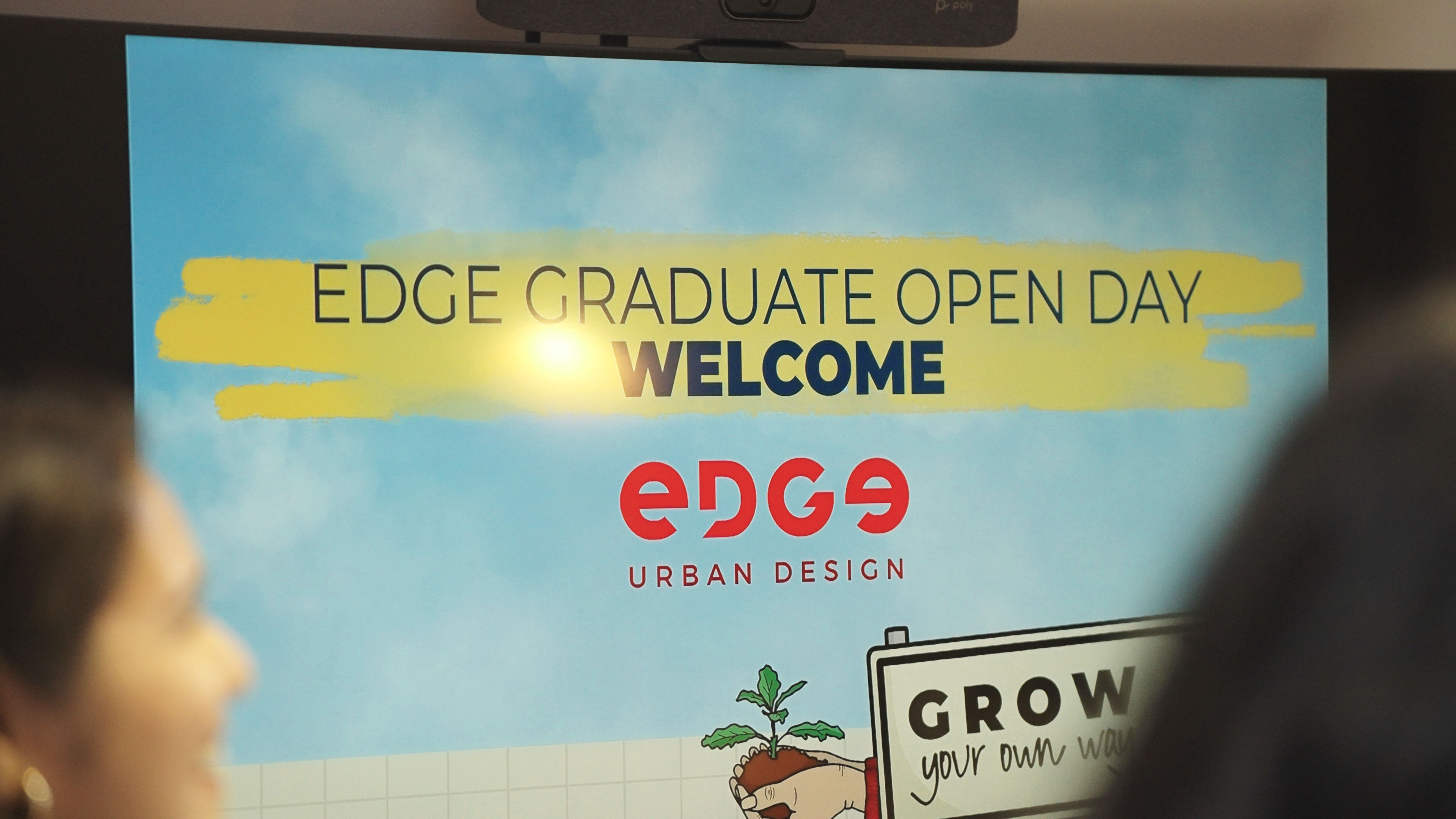
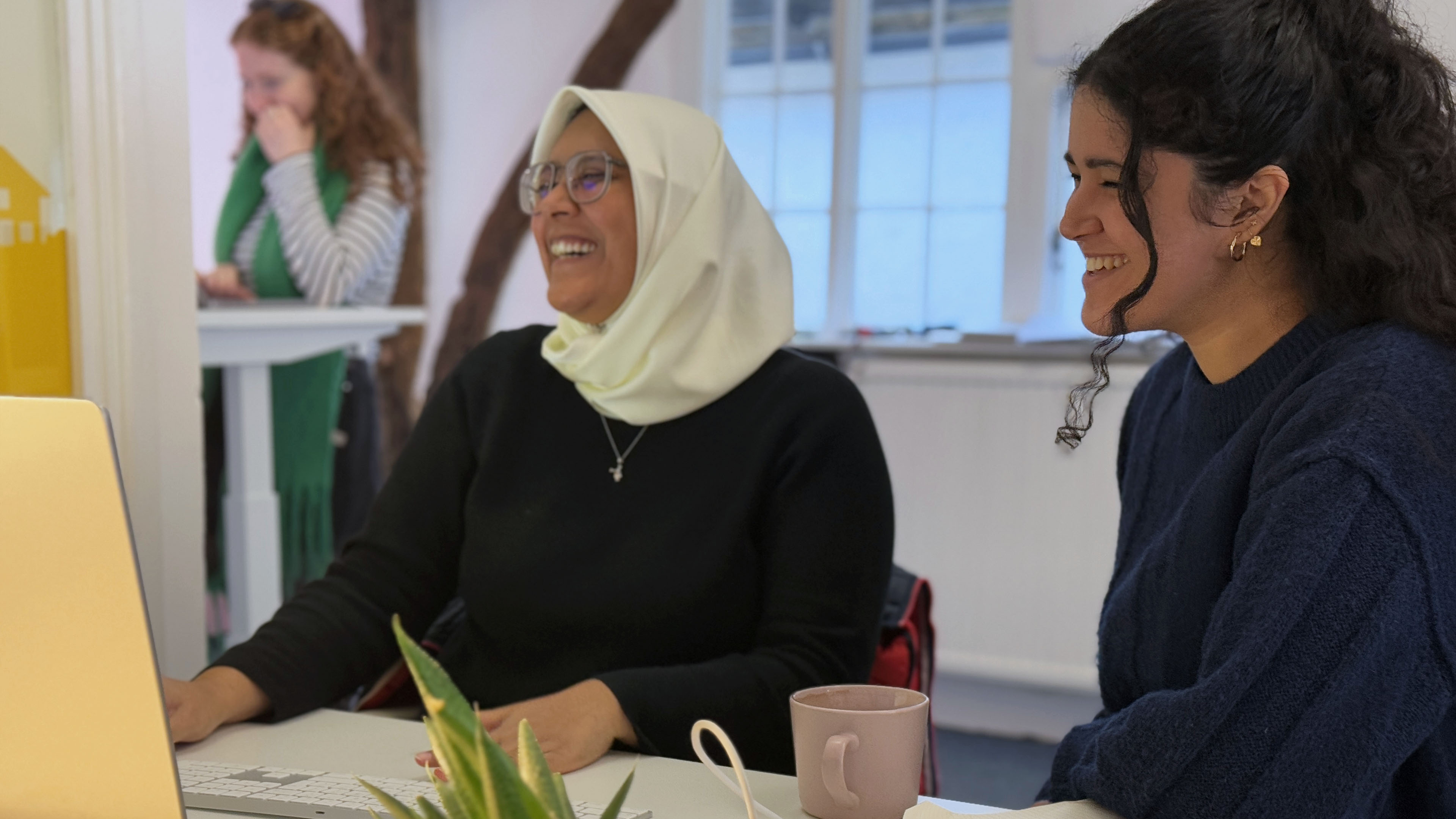
Mentoring is not just about helping one person find their feet, it lifts the whole team. In Urban Design no one project is ever done alone, allowing lots of different skills and perspectives to come together. When we give graduates the chance to learn and get stuck in to a project, it creates a culture where people share ideas more freely and bounce off each other. You can feel that energy ripple through the studio. It makes for a nicer place to work, and shines through in our designs too.
Just this week, we have had two inspiring Continuous Professional Development sessions. The first outlined the planning process and showed where our outputs, whether drawings or documents, sit within the planning system. This step is key to creating the right context for tasks and helping graduates understand why we do what we do. The other was a GIS workshop, exploring the power of mapping and data to support our design work. Sessions like these reflect how edge creates a supportive learning environment for everyone, whatever stage of their career, and it’s inspiring to see people embrace this and ask questions throughout. That learning environment is exactly what first drew me to edge all those years ago. Since joining as an Assistant Urban Designer and rising to Senior Urban Designer, I often think back to the early days in my own career: lessons learnt from the back-and-forth of a constraints plan, from first client meetings, and from early site visits. Those experiences are what excite me about mentoring and guiding our graduates. The legacy of our projects lies not only in creating good Urban Design, but also in the lessons shared and the positive outcomes for the people involved.
So on those cold Tuesday mornings, it’s the thought of mentoring to help secure edge’s future as a resilient, creative, and human-centred consultancy that warms me up and gets me ready to face the day. Every conversation, question asked, and insight shared feeds back into the work we do and reminds me that there’s always more to learn. Seeing others grow, gain confidence, and take ownership of their work is just as rewarding as seeing a masterplan come to life. The thought of sitting with the team, sharing knowledge, and learning from one another makes the tougher learning opportunities worthwhile. It’s this shared passion and investment in people that will ensure edge remains a desirable place to work now, and well into the future.
Written by Lowri

