
Why Visual Storytelling Matters in Placemaking
Placemaking is about shaping environments where people live, work and connect, but it is also about how those environments are understood and experienced. Long before a new neighbourhood, town centre or regeneration scheme is complete, it exists first as an idea that must be communicated, trusted and embraced if it is to succeed. Visual storytelling plays a vital role in this process. Giving a place an identity through imagery, design and narrative does more than make it look attractive. It provides meaning, coherence and connection, turning an abstract vision into something tangible that people can relate to.
Every place has a story, whether it is deliberately told or not and visual storytelling gives that story form. An identity might be built around a symbol, a palette of colours inspired by the surrounding landscape or typography that reflects architectural character and cultural heritage. These elements combine to communicate what the place stands for, its history, its values and its ambitions. Without an identity placemaking risks feeling anonymous and generic, but with one, a place can become distinctive and memorable, resonating with the people who will live, work and spend time there.
Successful placemaking depends on people forming an emotional connection with their environment and a carefully considered visual identity can help build that attachment. It signals both who the community is and what the place aspires to be. A riverside project might, for example, use flowing lines and soft blues to reflect calmness and wellbeing, while a historic town centre might reference its craft traditions to celebrate continuity and pride. These design choices are not arbitrary. They are visual cues that people respond to instinctively. When an identity reflects heritage, it can create a sense of belonging and when it projects a hopeful vision of the future it can inspire confidence and optimism. This emotional resonance can turn a new development into a neighbourhood people love or help a tired centre once again become a destination.
Because places are experienced through so many different touchpoints, from hoardings and websites to brochures, signage and street furniture, an identity is vital to ensure consistency. Without it, encounters risk feeling fragmented and disconnected, but when visual storytelling is applied consistently people recognise the place wherever they come across it, online or in person. That familiarity builds trust and over time it provides continuity from the early vision through to delivery and beyond.
Before a place is physically built, its identity also offers a way for people to imagine what it will feel like once complete. Illustrations, hoardings and campaign visuals can provide glimpses of future life, with images of families gathering in a new square, children playing in green spaces or markets bringing vibrancy to the streets. This is particularly important in regeneration projects where residents may feel anxious about change. A thoughtful identity can reassure them that their story is being respected and carried forward, not erased and that the new place will feel like a natural evolution of what came before. In this way, visual storytelling bridges the gap between present and future, enabling people to step into the vision before it physically exists.
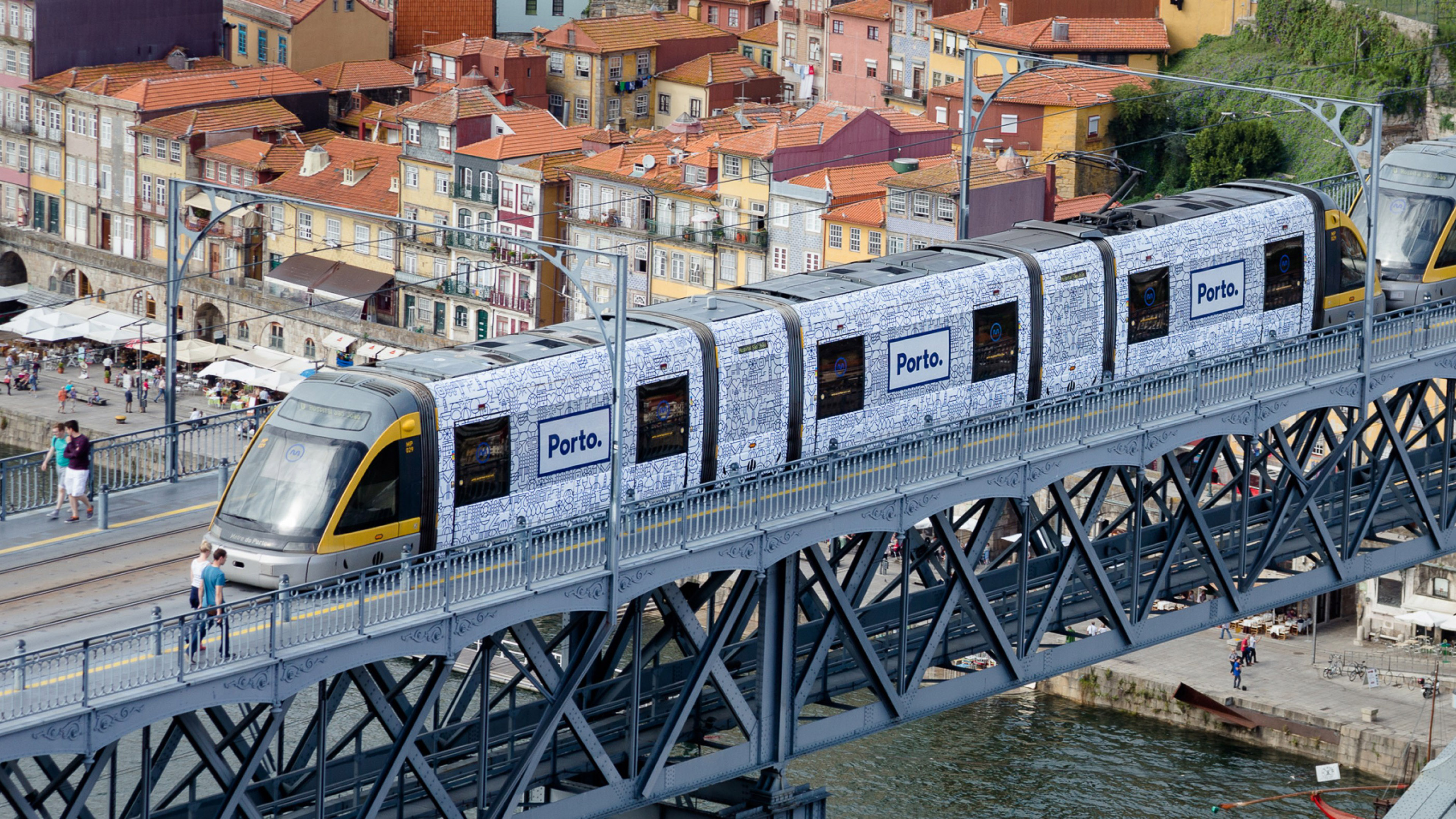

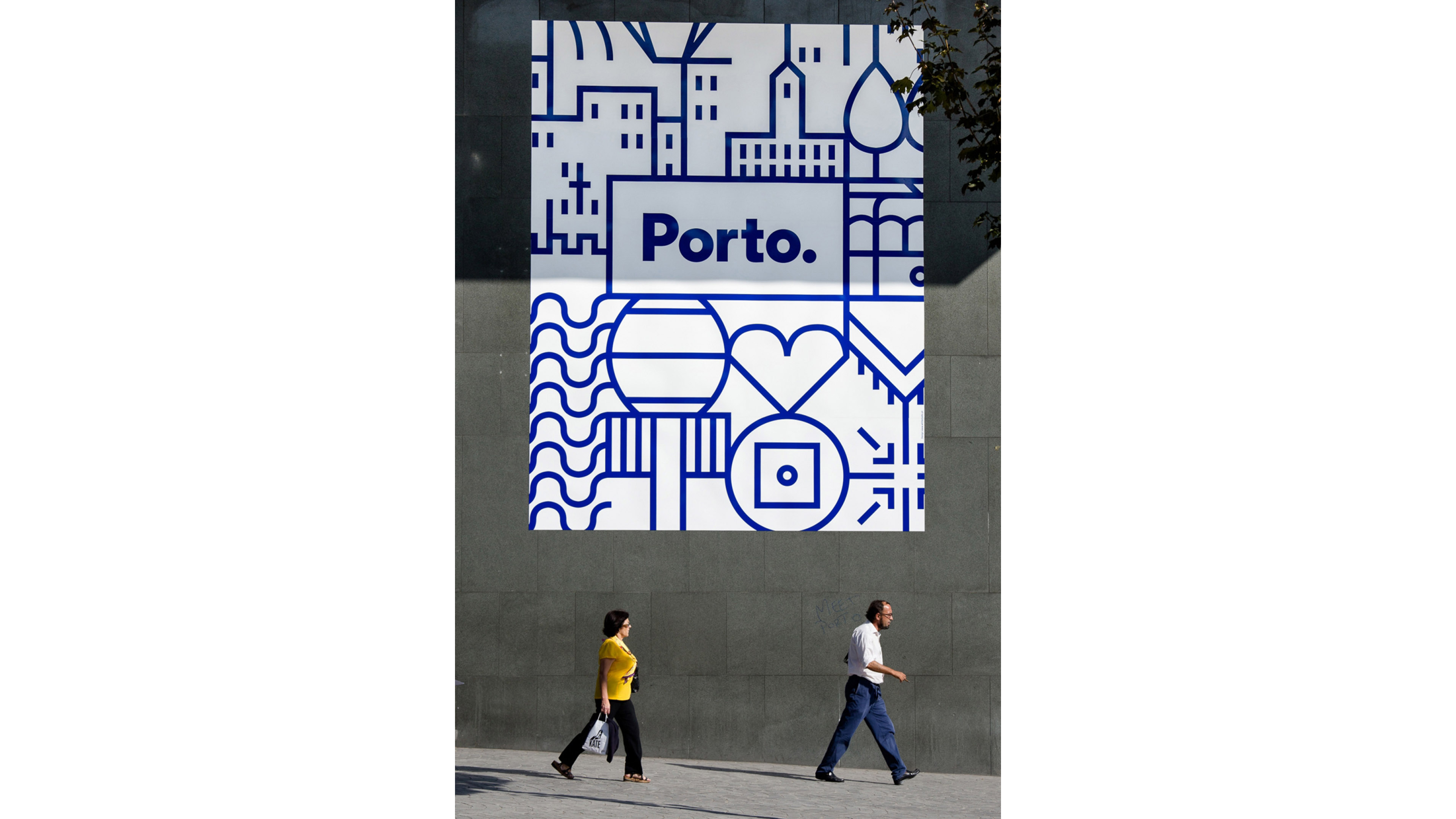

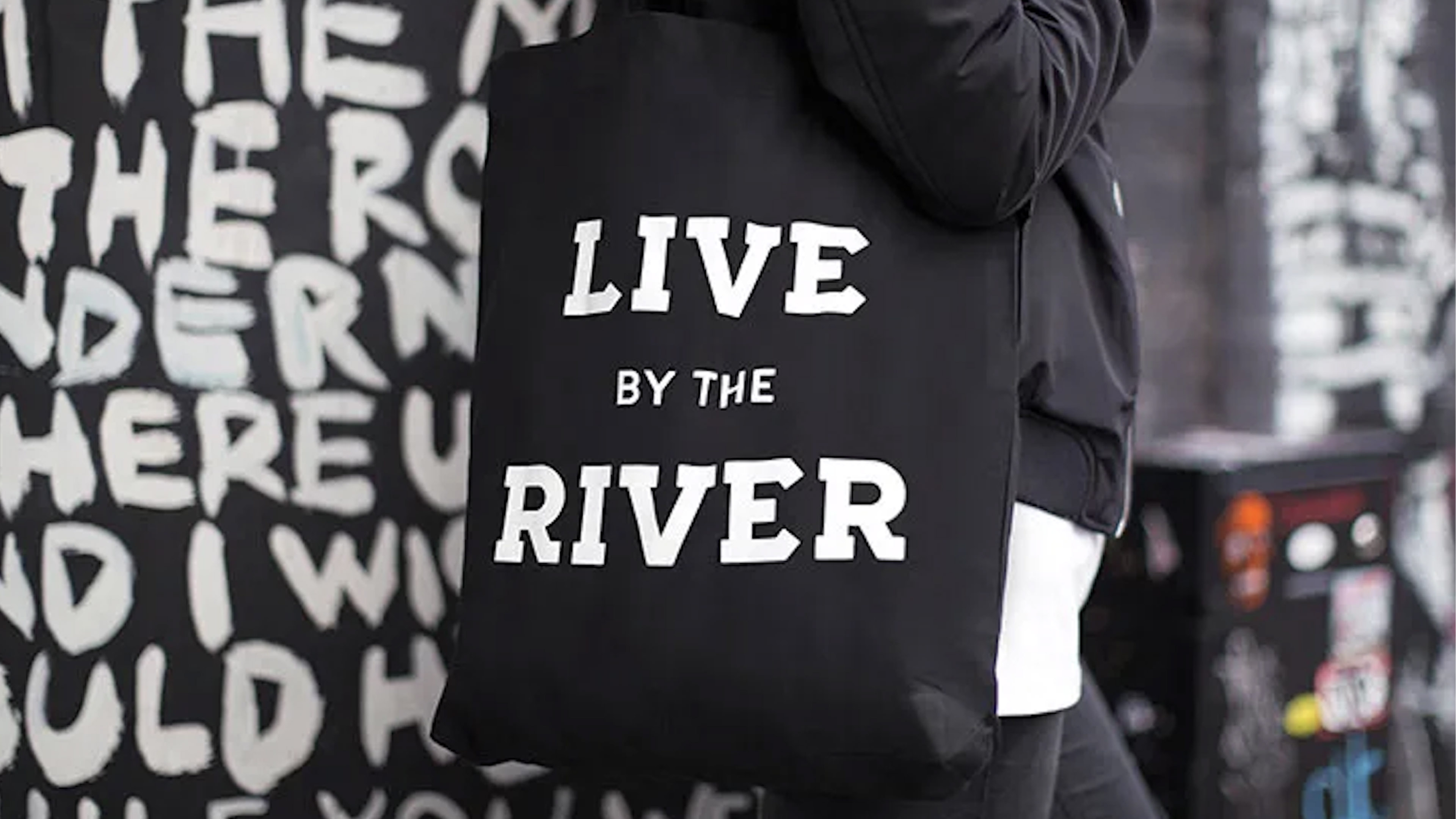
In an increasingly competitive world, places also need to differentiate themselves. Cities compete for tourists, towns for retailers and neighbourhoods for families. A distinctive identity highlights what makes one place different from another, drawing out the unique qualities that set it apart. A market town might express its centuries-old trading heritage, while a new district might emphasise innovation and sustainability. Through visual storytelling, these qualities become tangible, helping people to understand not only what the place offers, but why it matters.
Importantly, visual storytelling can also be participatory. Many projects now involve communities in shaping an identity by drawing on local stories, landmarks and cultural references. A pattern might be inspired by traditional craft or a colour palette might reflect a much-loved natural feature. Involving people in this process helps them see themselves in the identity and ensures they feel represented in the story of the place. This sense of ownership builds pride and encourages long-term stewardship, because people are not just consuming an identity, they are helping to author it.
Although a place identity will evolve as it grows, a strong foundation ensures continuity and coherence over time. It becomes the thread that ties together decades of change, allowing people to feel anchored as their environment develops around them. Cities like Barcelona or districts like Shoreditch show how a strong sense of identity can endure and adapt, becoming woven into the cultural fabric and shaping how people experience the place for generations.
Visual storytelling matters in placemaking because it transforms developments into identities that people can recognise, trust and connect with. It offers consistency across touchpoints, creates emotional connections, inspires confidence in the future and draws out what makes a place unique. At its heart, placemaking is not only about creating spaces, but about creating meaning. Through visual storytelling, that narrative becomes visible, shaping identity, strengthening connection and helping people see themselves within the evolving story of a place.
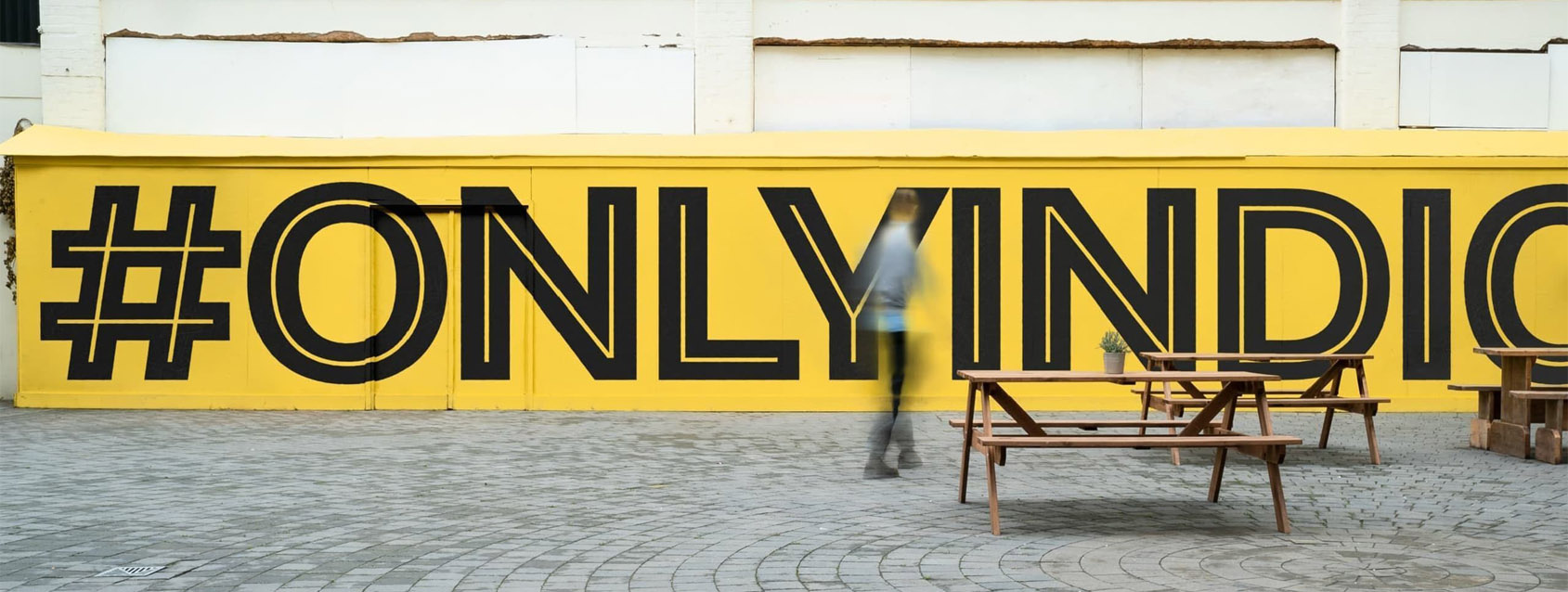
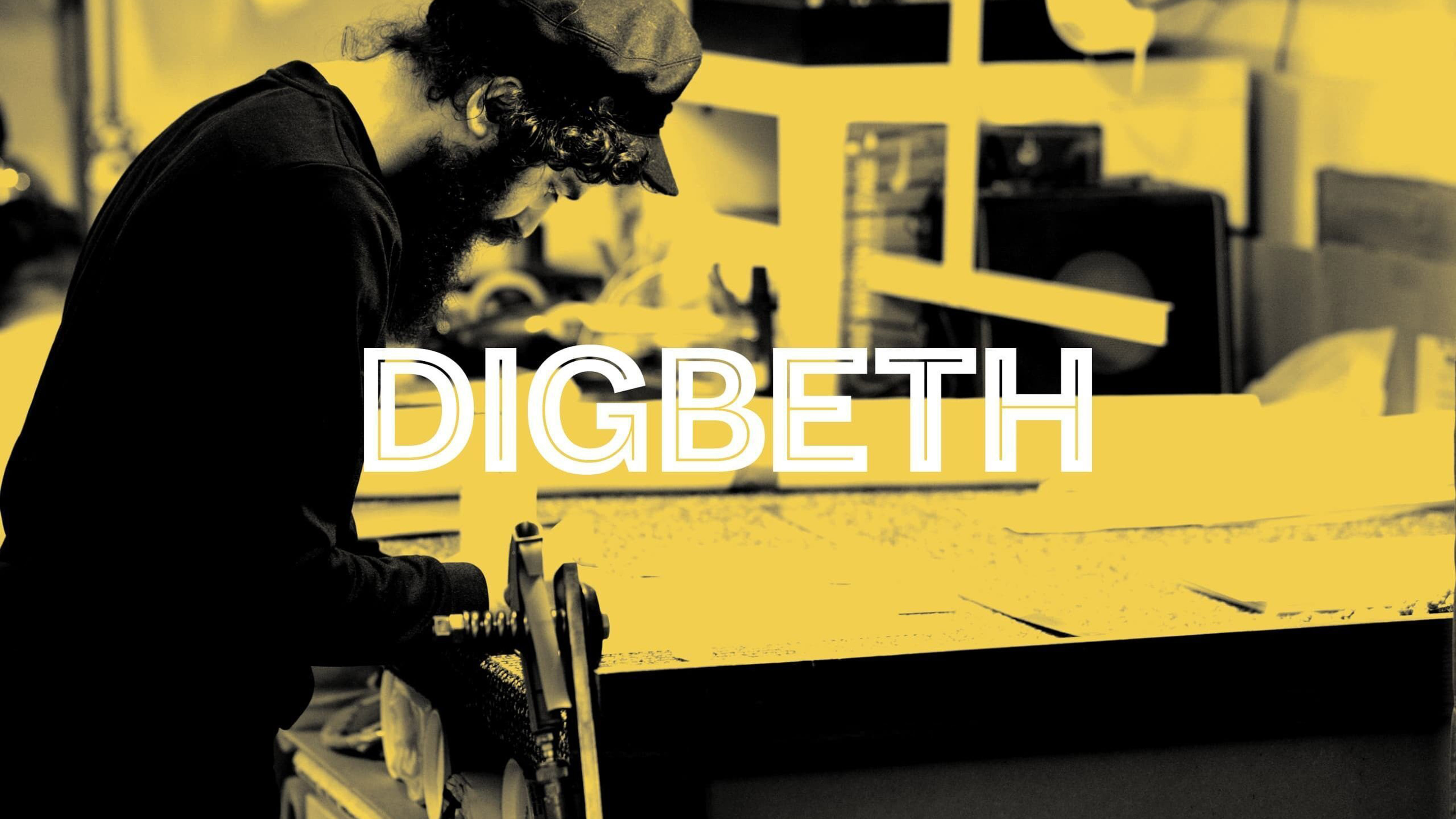
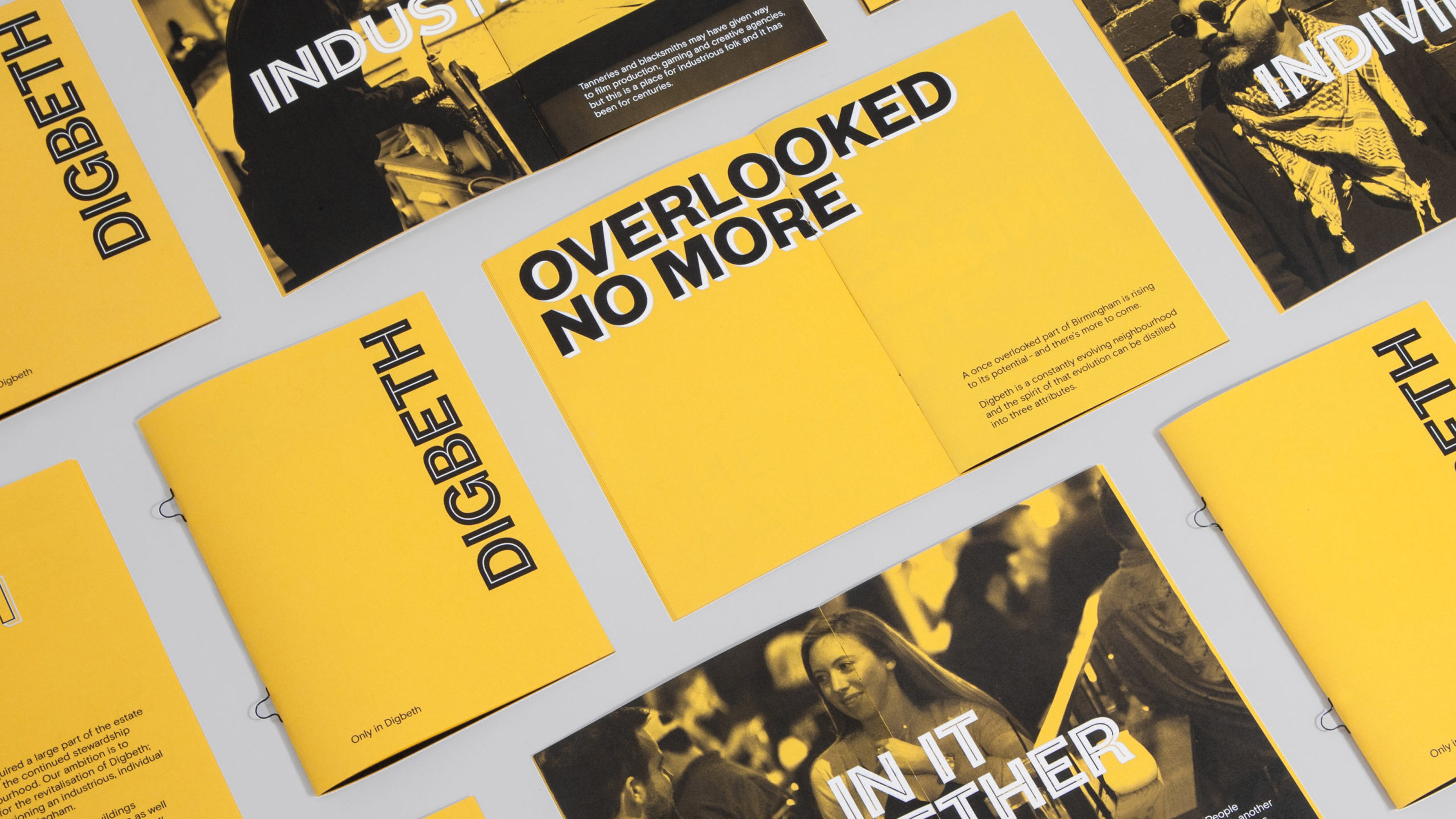
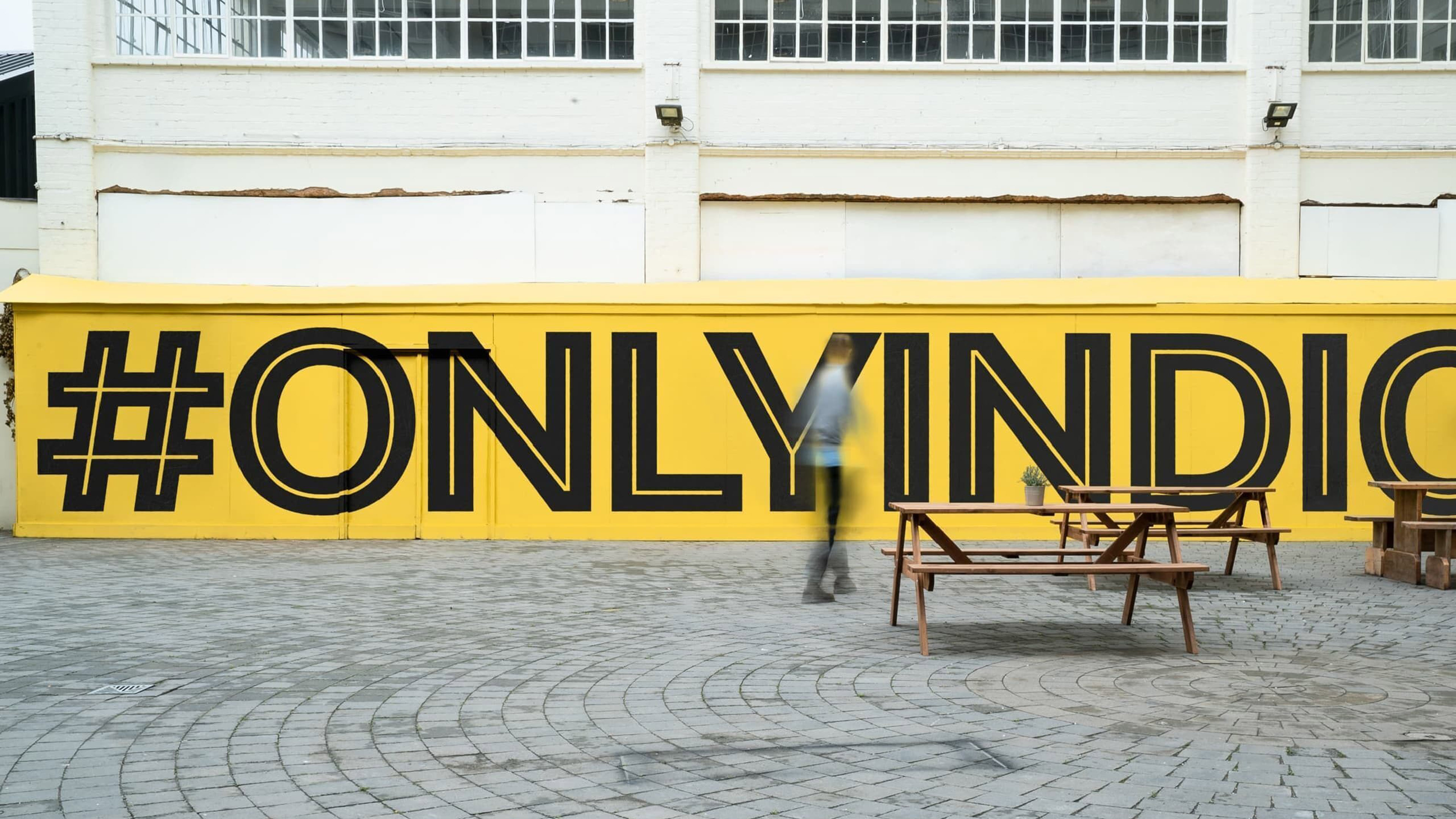
Digbeth Branding by DNCO. Porto Branding by Studio Eduardo Aires. Camden Market by Ragged Edge.
Written by Natalie

