
Bee Inspired
Our humble little bees play a crucial role in the pollination of our food crops, trees and flowers. 1.2 million little honey helpers pollinating our plants, boosting our biodiversity, ecosystem stability, and crop productivity. If there’s something wrong with our bees, there’s something wrong with the wellbeing of our ecosystems!
“What on earth” … I hear you say… “do bees have to do with placemaking??”
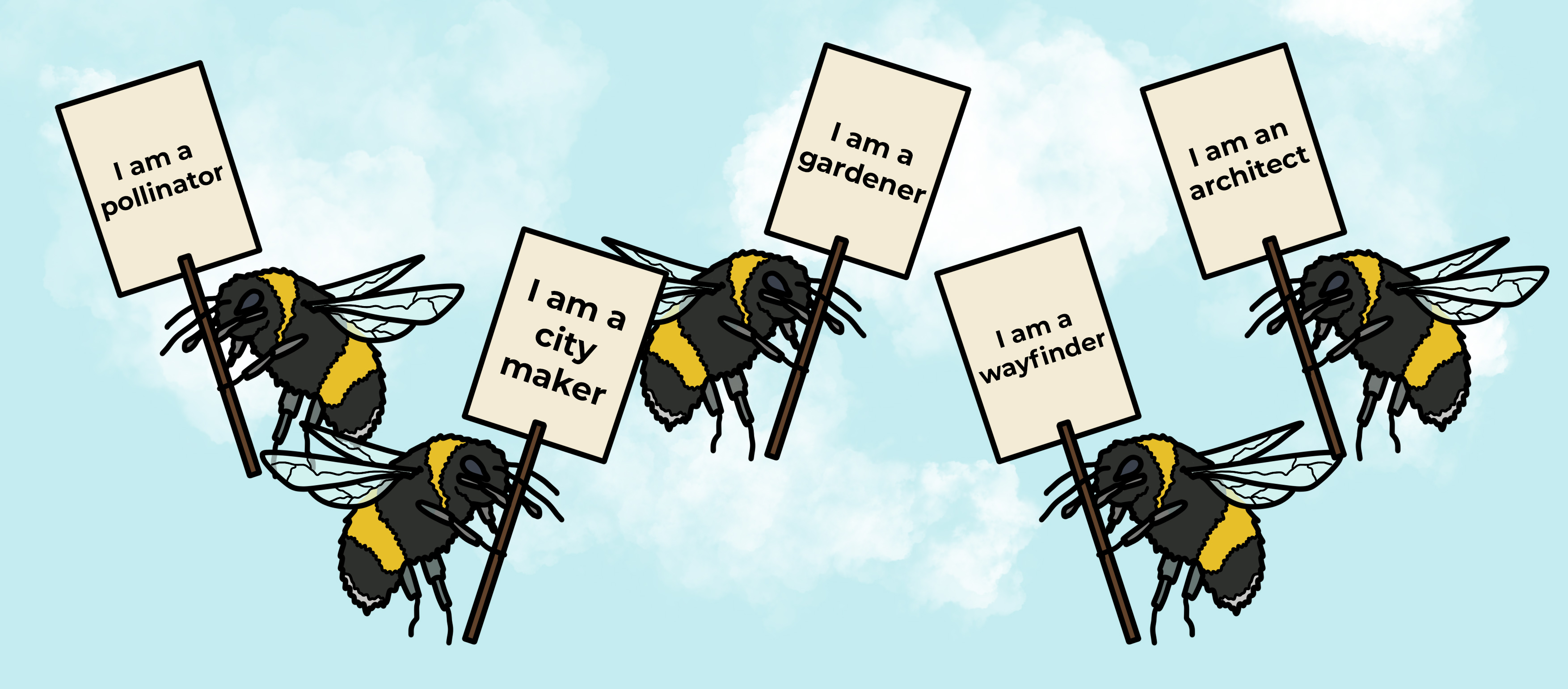
Bees contribute to placemaking, designing our natural environments through pollination and actively enhancing the aesthetics and biodiversity of our towns, cities and countryside. Our plant pollinators create vibrant, colourful landscapes bursting with diverse flora, supporting an ecosystem of fauna. In cities, bee-friendly habitats create sustainable and ecologically balanced urban environments, contributing to the overall sense of place and community well-being.
These little critters are not just pollinators, they are not just city makers… they even design wayfinding and they’re nature’s best tiny architects!
The study of our little bees’ organisational structures and foraging patterns has inspired concepts like decentralised organisation – giving authority and responsibility to those who know best, and the sustainable design principles found in beehives can inform strategies for creating more resilient, eco-friendly, and well-connected urban places. Bee-inspired ideas contribute to the development of sustainable cities that prioritise community well-being.
Bee-inspired urban design mimics behaviours observed in beehive structures into city design, where connected communities mimic the collaborative nature of bee colonies. The hexagonal layout of honeycomb cells has inspired spatial land use planning too, minimising wasted space.
AND not only that but little bees have more impressive architectural skills than we do in the construction of their hives. The hexagonal shape of honeycomb cells is aesthetically pleasing, it maximises space and minimises material use and it is super strong. Bees use beeswax to create these structures, ensuring a sturdy and efficient design for storing honey, pollen, and housing their larvae. The angles and patterns in bee architecture brings us onto my favourite part; nature and the golden section.
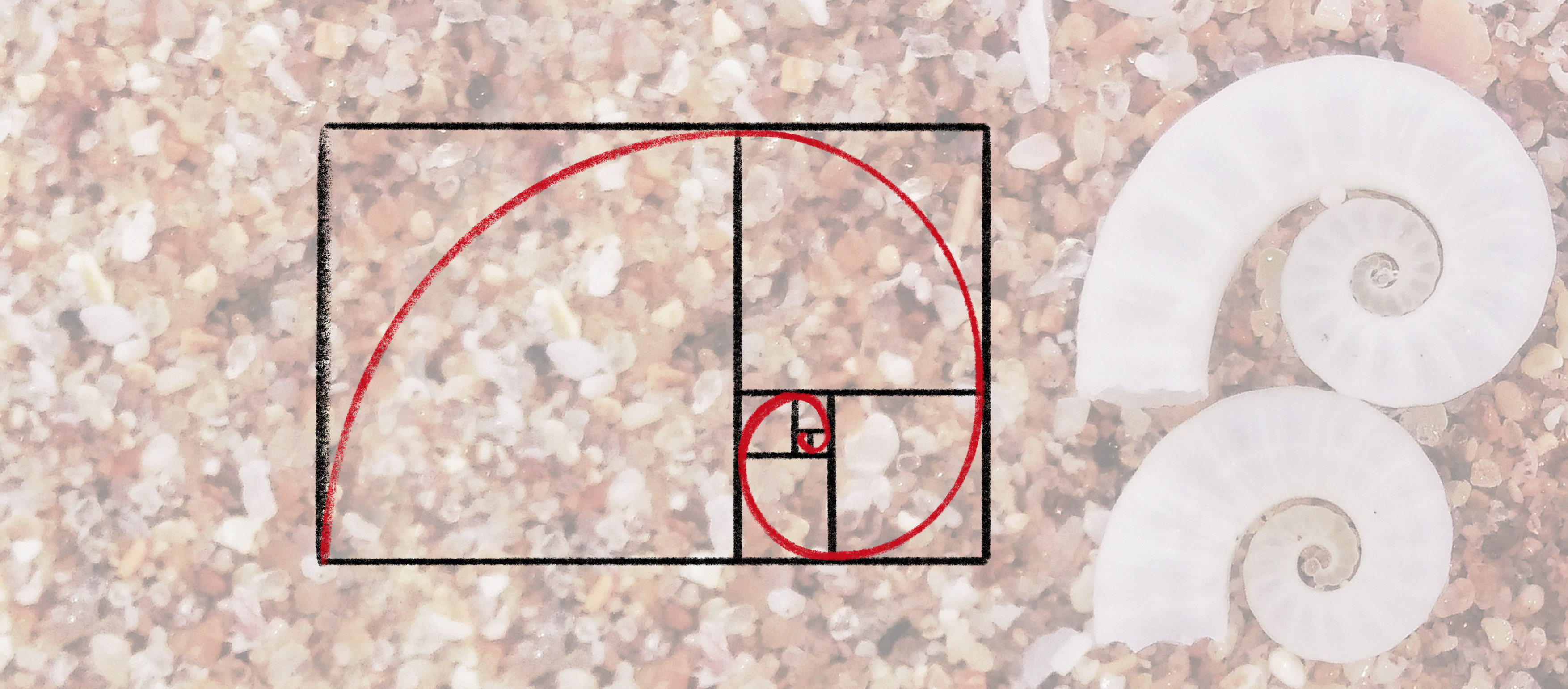
The golden section, or golden ratio or phi (Φ) appears in nature’s patterns, creating aesthetically pleasing proportions. Phi appears in all patterns in nature – the spiral arrangement of leaves, seeds in a sunflower, and the growth patterns of shells. It also determines the proportions of certain animal bodies, like the arrangement of segments in a seashell or the spiral pattern on a pinecone.
Architects have a long history of incorporating the golden ratio into their designs, believing it enhances the aesthetic appeal and perceived harmony of structures by using the golden ratio to design building facades, room layouts, and the placement of structural elements.
A great example of the golden section in architecture is the Parthenon in Athens and Leonardo da Vinci and Michelangelo used the golden section in their designs, finding a balance that appealed to both mathematics and aesthetics.
Bees engage in intricate wayfinding; they use a combination of celestial cues, landmarks, and intricate communication to navigate and wayfind. They rely on the sun’s position as their giant compass during foraging flights. Bees have a remarkable ability to recognise landmarks, such as distinctive patterns near their hive or along their foraging route.

A fascinating aspect of bee navigation is the “waggle dance” performed by worker bees. After a successful foraging trip, a bee returns to the hive and communicates information about the location of the food source through a dance. The orientation and duration of the dance convey the direction and distance to the foraging spot. Their bee friends interpret this dance and adjust their flight patterns accordingly.
This complex combination of wayfinding and dance communication allows bees to locate and communicate the location of food sources, contributing to the overall success of the hive. These little bees are absolutely excellent placemakers and we still have a lot to learn from nature about creating places that we and the bees are happy to call home.
Written by Hannah

