Huda on Climate Resilience

Next up in our meet the edge team series is our Assistant Urban Designer Huda! Here she talks about the characteristics of southeast Asian cities, tackling climate resilience and the Sponge City concept.
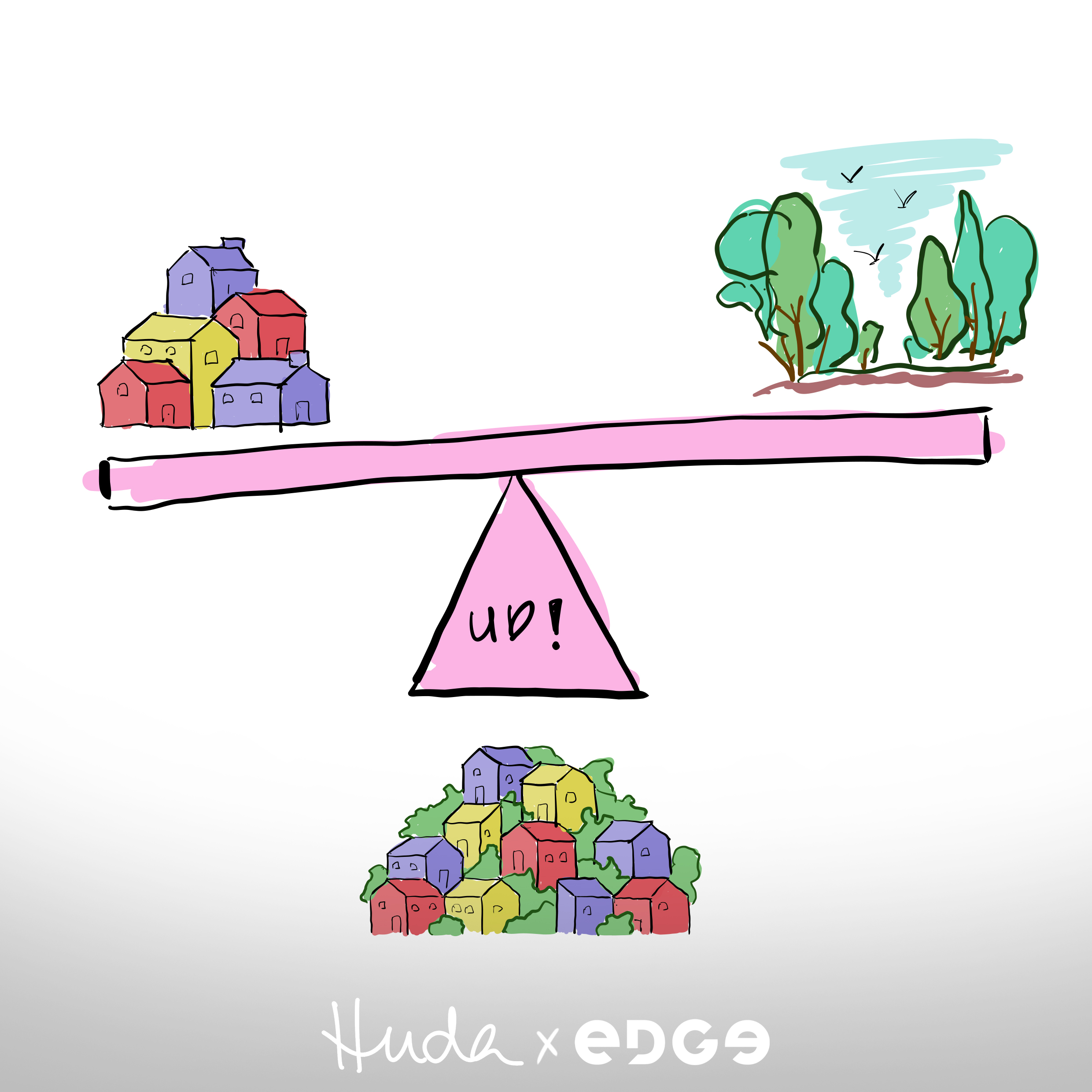
Striking a balance
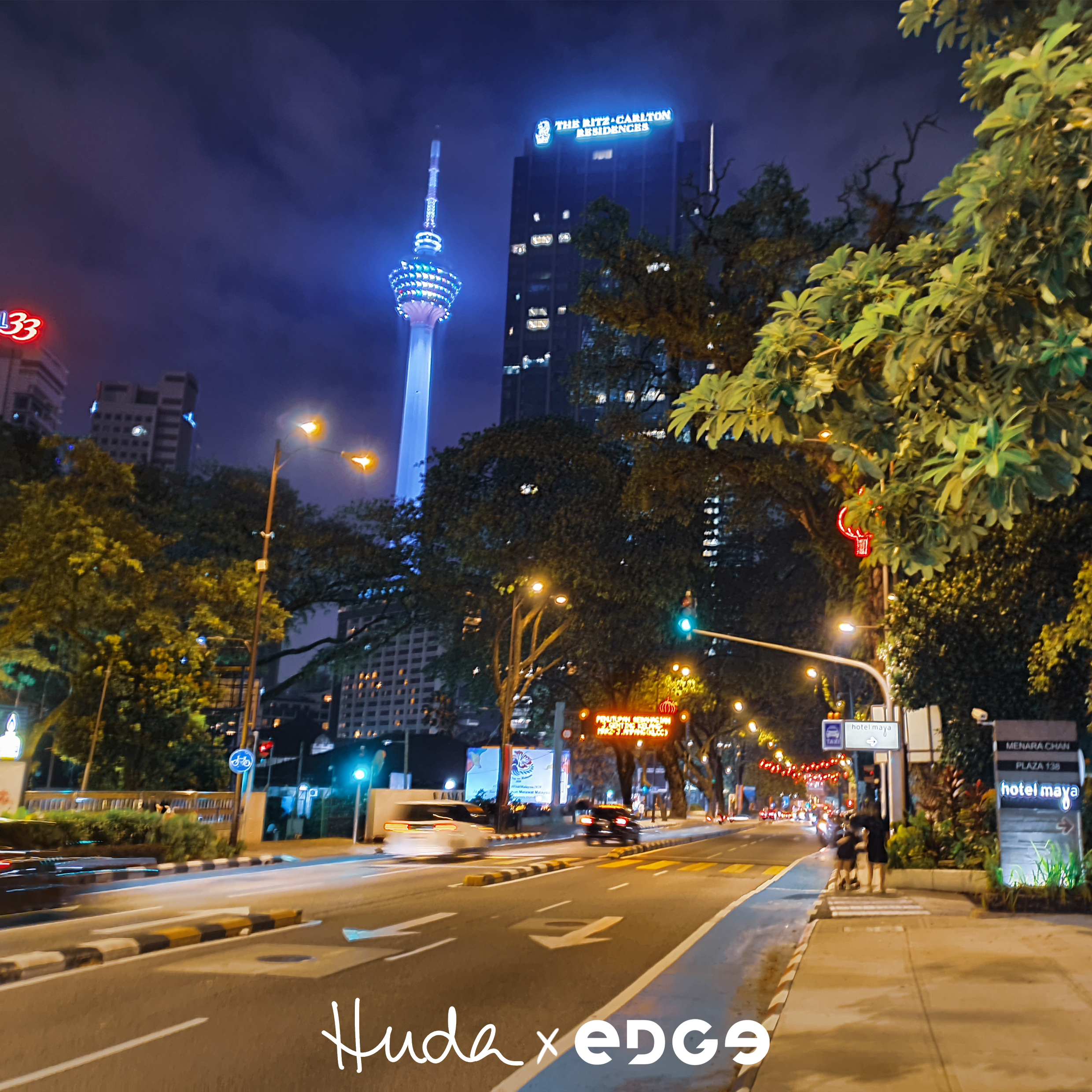
Being a Southeast-Asian at heart, I have a natural affinity for the sea, rivers, lakes – basically anything related to water! As Malaysians we take pride in our gorgeous beaches and coast lines, particularly on the east coast of the Malaysian peninsular and the island of Borneo! Rich in both biodiversity (we have tropical rain forests too!) as well as marine ecology, I have always wondered, how can a Southeast Asian country like Malaysia thrive in striking a balance between infrastructure, modern development and retaining our rich natural treasures?
I came across urban design by accident when I was working as an assistant architect in Kuala Lumpur. At that time, the architect I had the pleasure of working with was involved in a large-scale project called Nusantara – an urban design redevelopment competition set out by the Indonesian government to relocate their capital, Jakarta, to Borneo. This was due to the rising sea level: a critical problem many cities in Southeast Asian countries are facing. Jakarta, like many Southeast Asian capitals, is sinking rapidly. I am forever grateful to have witnessed how the architects and planners in my previous company joined forces to design a masterplan, tackling the many challenges that came with relocating a capital city. This project sparked my interest in urban design and I am so glad that I decided to change my path.

Tackling climate resilience
During my 2nd semester in MA Urban Design at Oxford Brookes, I had an amazing opportunity to work with a talented team designing a masterplan for Hong Kong’s West Kowloon Cultural District. Hong Kong, a fast-developing metropolitan city as well as one of the most important business hubs in the Southeast Asian region, has been experiencing rapid urban intensification: over 2000 people per hectare! With urban intensification being a common phenomenon experienced by major cities around the world, the main challenge was how can we as urban designers deliver high quality living conditions for the urban population under such intensification.
What interested me the most about this project was how were the Hong Kong government going to tackle the issues relating to climate change – such as the rapidly rising sea level, typhoons and extreme flash flooding – the same problems experienced by the majority (if not, all!) of the Southeast Asian cities, Kuala Lumpur included. The case of climate resilience in Hong Kong is tightly connected to the main reason I chose to pursue urban design, and became the perfect platform for me to further my research on urban intervention, climate resilience and the crucial role us urban designers play in tackling this issue.
Caretakers of mother nature
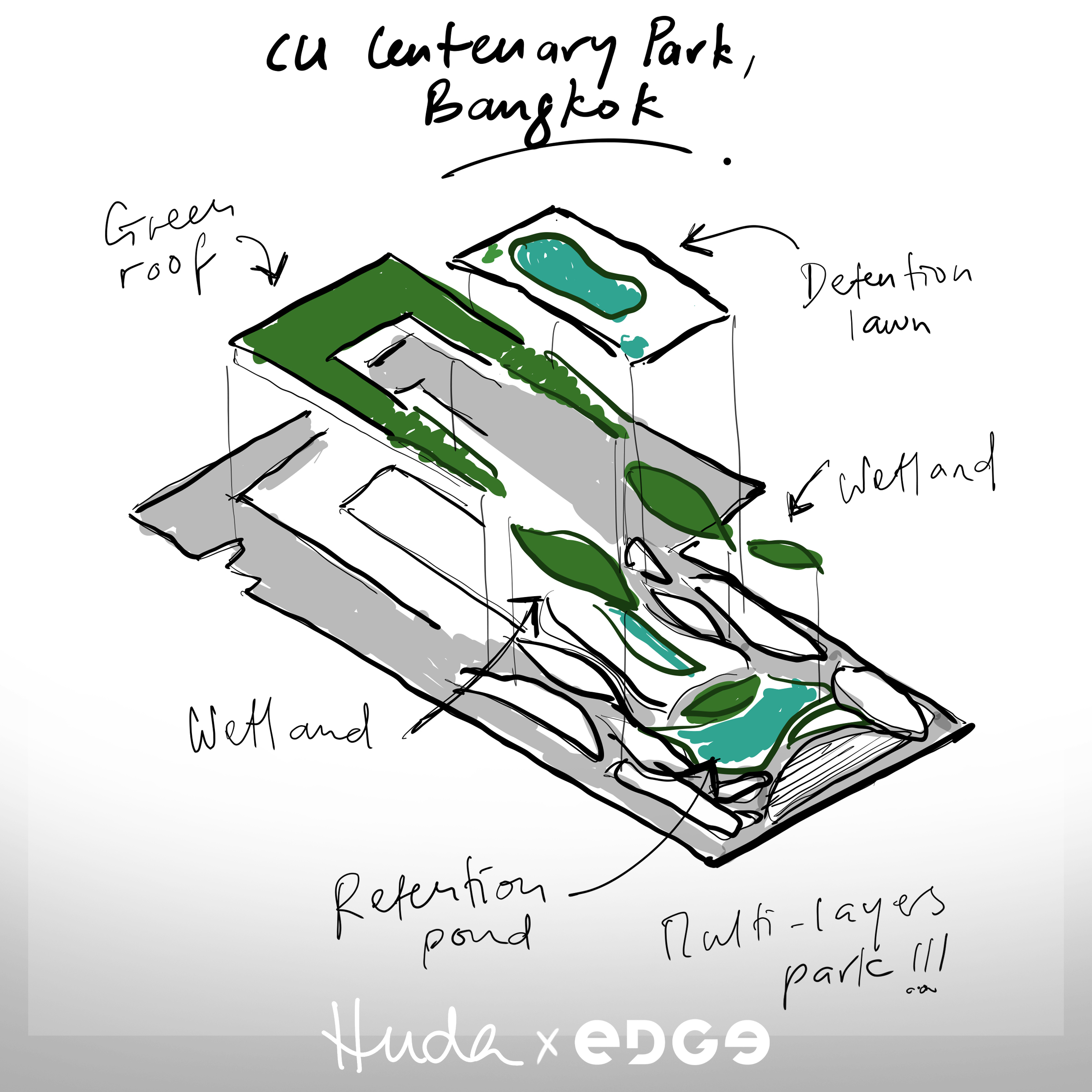
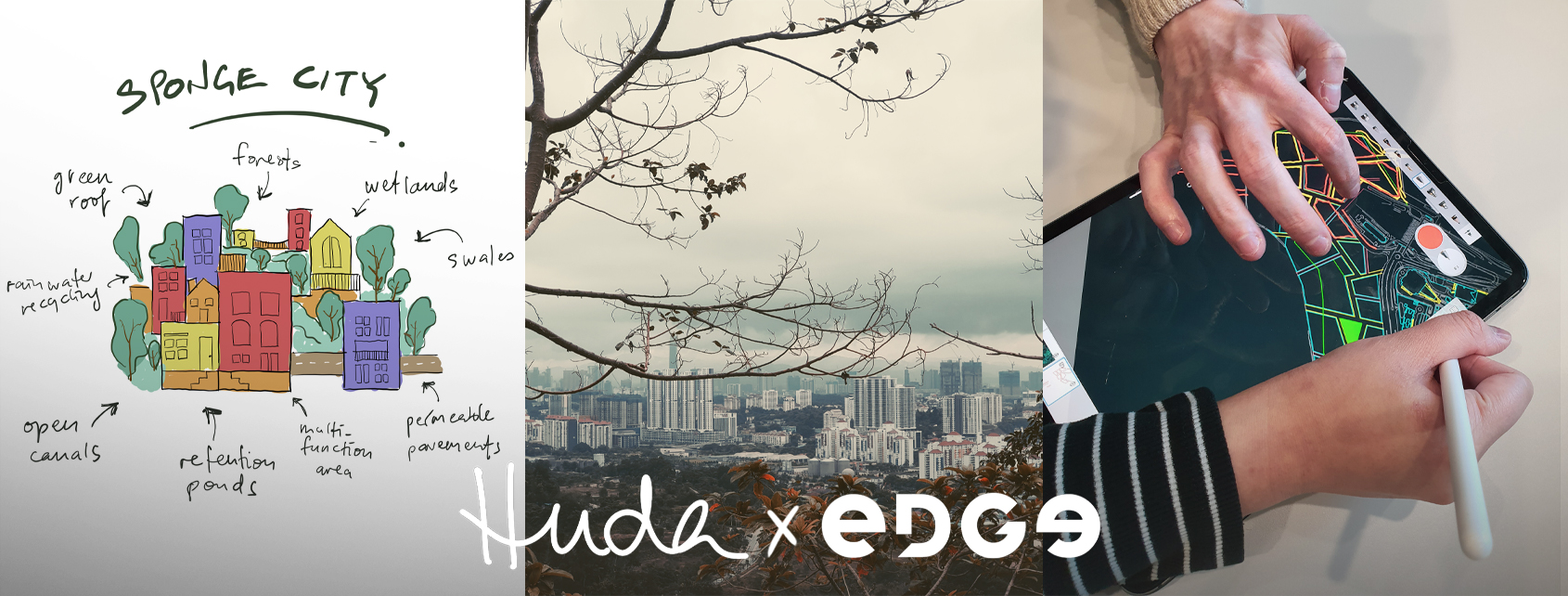
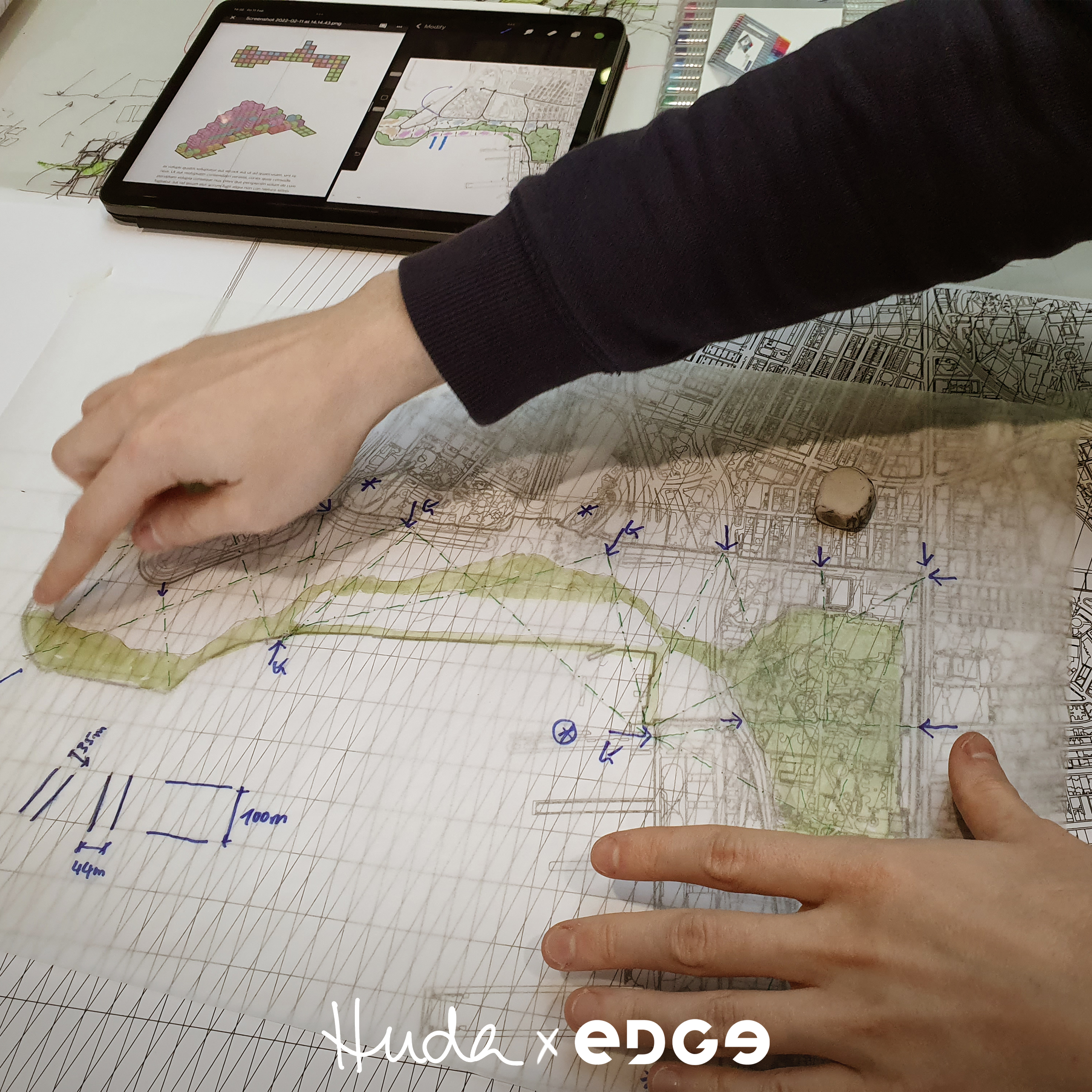
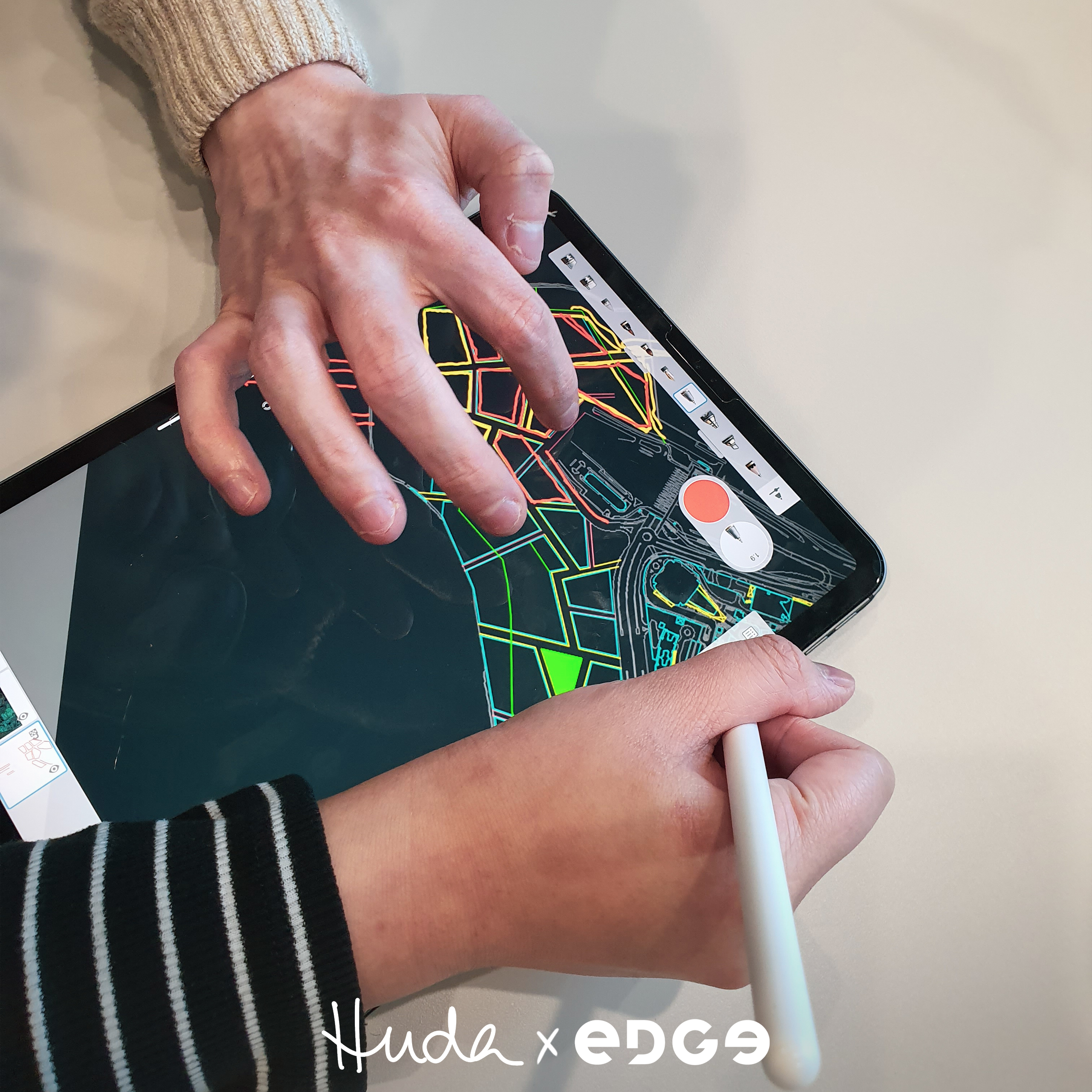
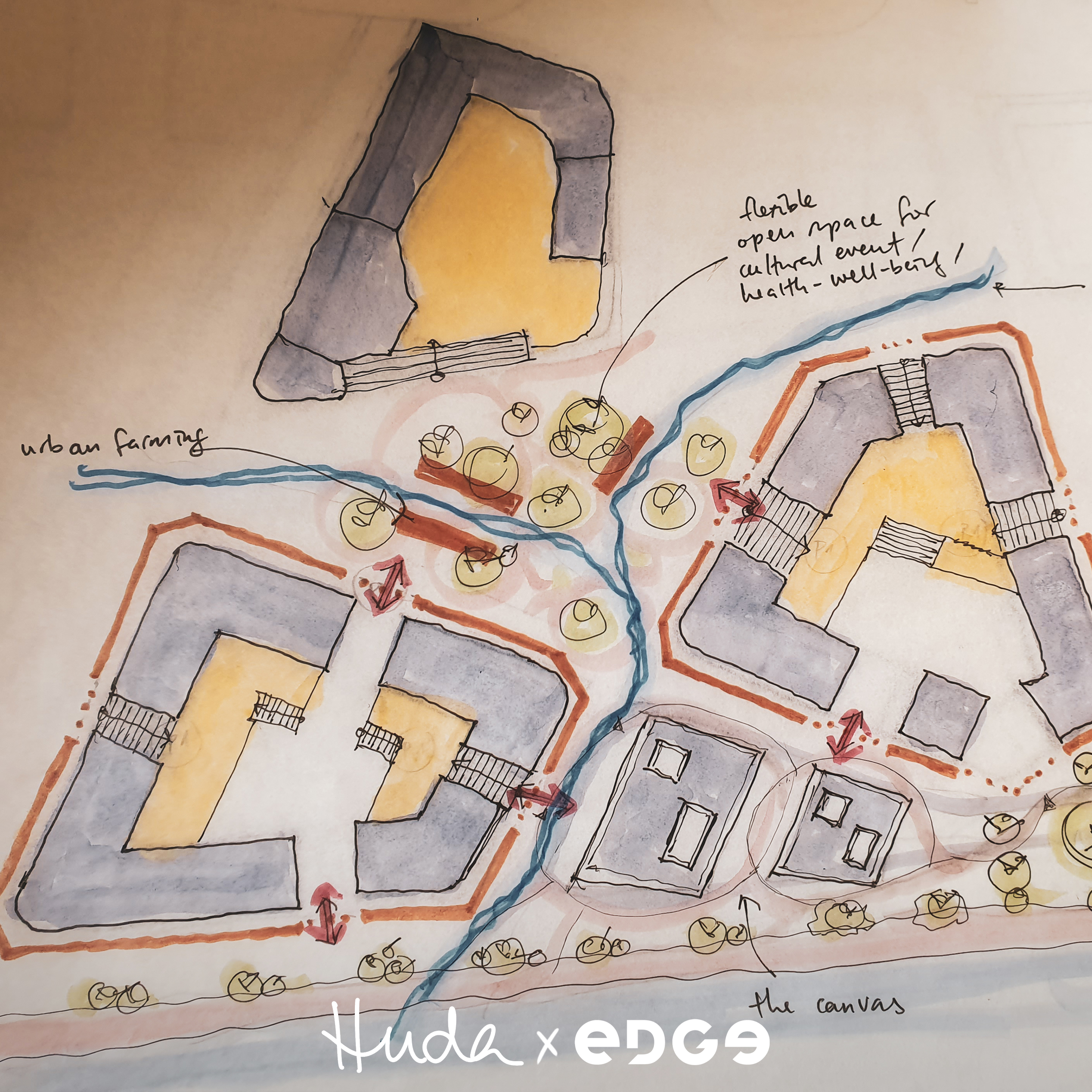
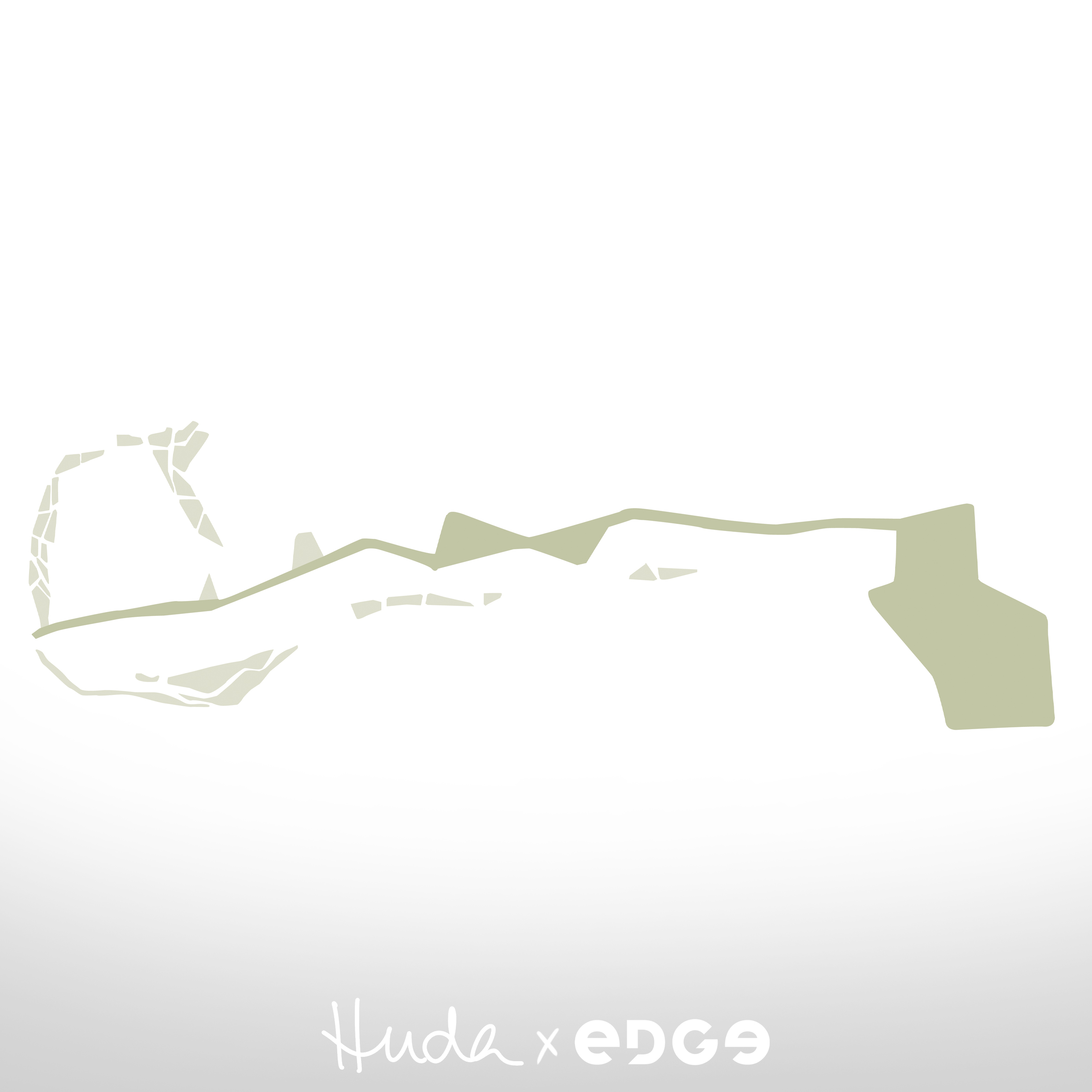
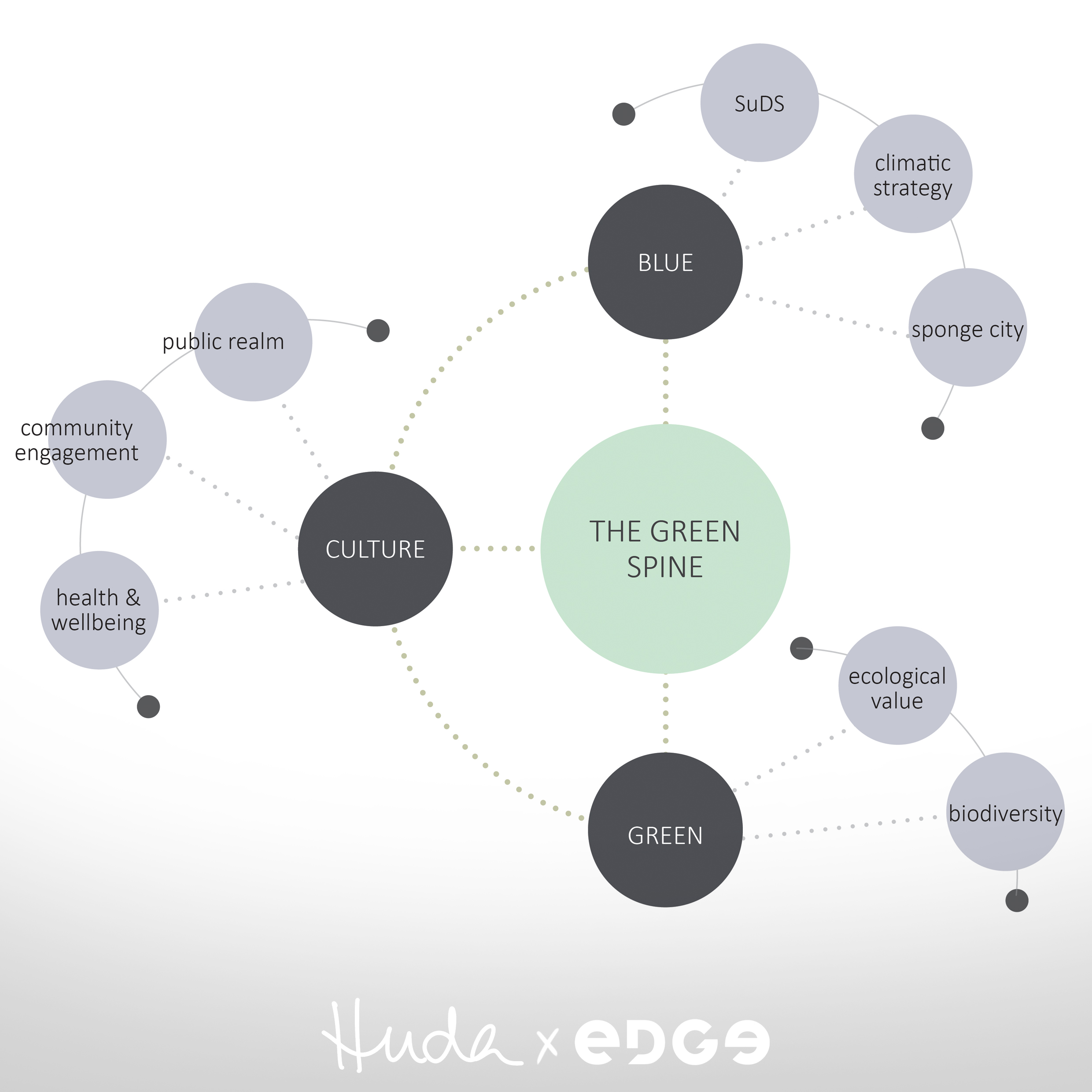
While my team and I were working on the Hong Kong masterplan, we came across a highly innovative landscape strategy integrated into a lot of Asian masterplans, particularly in China. The strategy is called the Sponge City concept by Turenscape Architects and is a nature-based solution designed to create a much more absorbent urban environment. In my opinion, this strategy presents us with a huge number of possibilities and opportunities in how we as urban designers can design cities with a strong connection to climate resilience and sustainability, particularly when dealing with the climate emergency. For Asian cities, permeable paving and typical SuDS alone cannot help mitigate flash floods, monsoons, typhoons and heavy rain. Treating the whole city as a landscape strategy to increase climate resilience is SO COOL! My team decided to use this concept when designing our masterplan for Hong Kong: swipe to see! I’m also pleased to see that many urban planners and designers in Malaysia have started having conversations about the possibility of implementing the Sponge City concept across various social media platforms.
I think the biggest role for us as urban designers is to embrace the challenges our planet throws at us (yep, there will be definitely more to come, whether we want it or not!) and use our creativity to try and make the best out of them. It’s important that we focus on improving the living conditions of the people we’re designing for, whilst at the same time celebrating the common responsibility we share as caretakers of mother nature.
Written by Huda