
Changing my lifestyle won’t make a difference to the world… will it?

At edge, championing a sustainable future is something that is close to our hearts, not only in a professional sense but also from a personal point of view.
Making even the smallest of changes is something we are actively trying to do in an effort to do “our bit” as best we can. Even the smallest change can have a hugely positive impact!
As we shift our focus on to what truly matters in our post-Covid world, we have found that the collective edge team experience is that we are all very happy to ‘make do’ with much less – to consume less, to buy less and to waste less – and to try wherever possible to make more considered lifestyle choices.
We are no sustainability experts – there is still so much to learn about ensuring a sustainable future for our ONE planet, but here are just a few of the changes we’ve made in our efforts to reduce our collective carbon footprint.



Shopping for sustainability
We’ve each started by making some pretty simple swaps and alterations to our lifestyles, which in the grand scheme of things may seem pretty insignificant, however as Dr Milena Buchs (associate professor in sustainability at the University of Leeds’ School of Earth and Environment) quite rightly puts it; ‘one individual’s action may not make a big difference, but, by adding them all together, there will be a massive saving in the collective carbon footprint.’
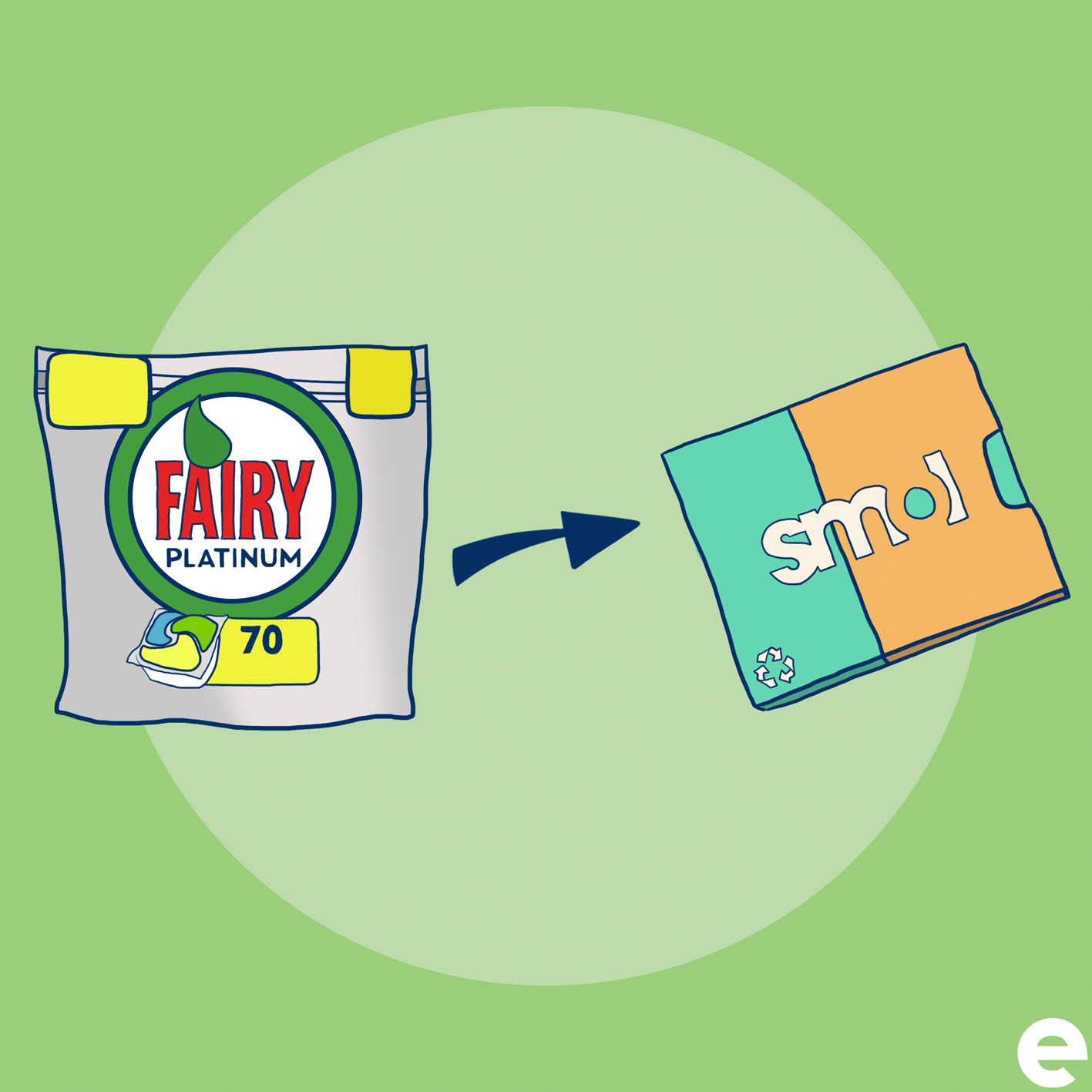
For example, Smol is a powerful little company which supplies washing machine and dishwasher tablets. The 100 million washes made using Smol products so far has saved over 240 tonnes of plastic and 770 tonnes of chemicals since 2018. Your three wash’s a week may seem negligible, but together, they add up and we can clearly achieve so much more.
As well as looking for companies leading the way in the sustainability revolution, team edge have also:
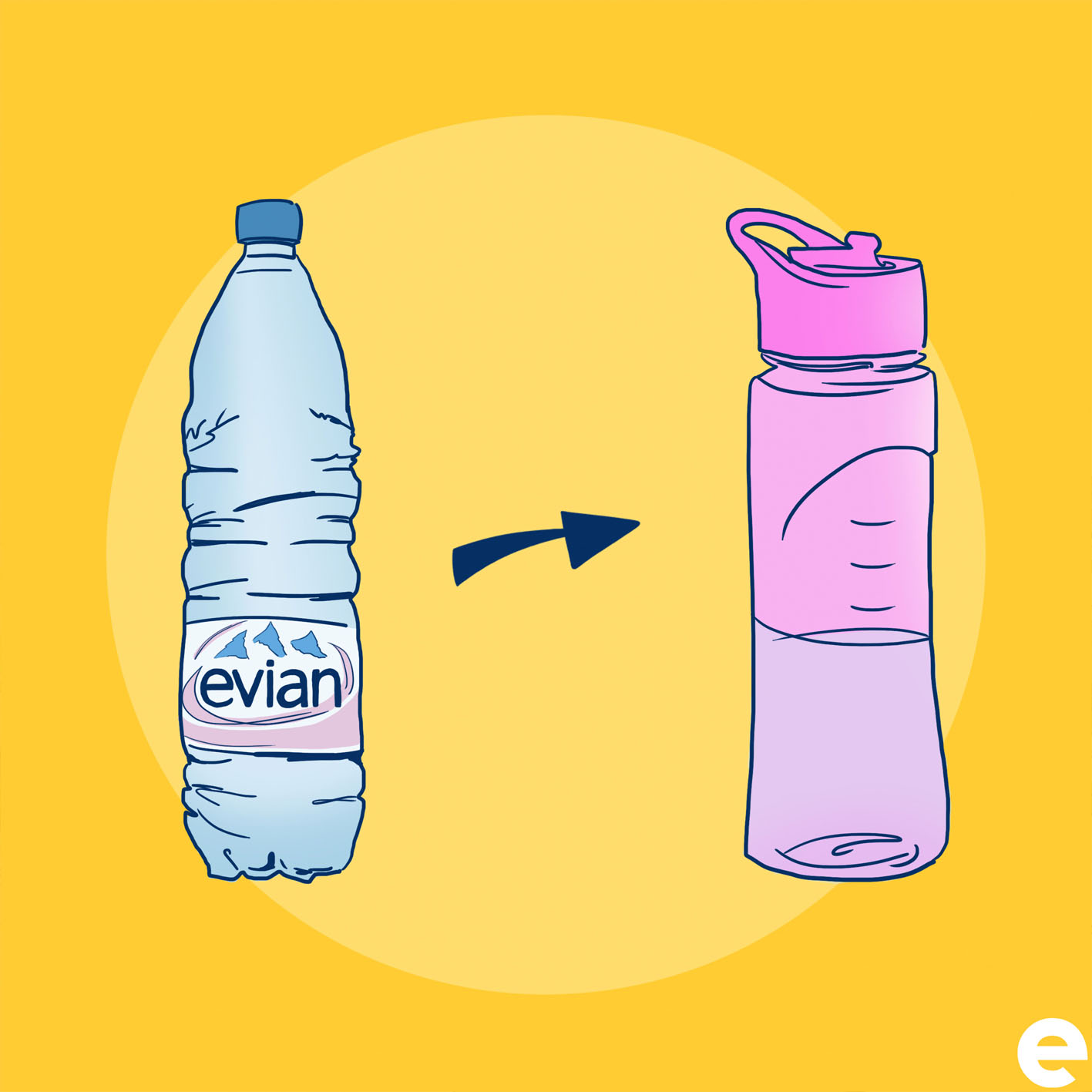
- Swapped disposable products such as water bottles, makeup remover pads and razors for reusable ones;
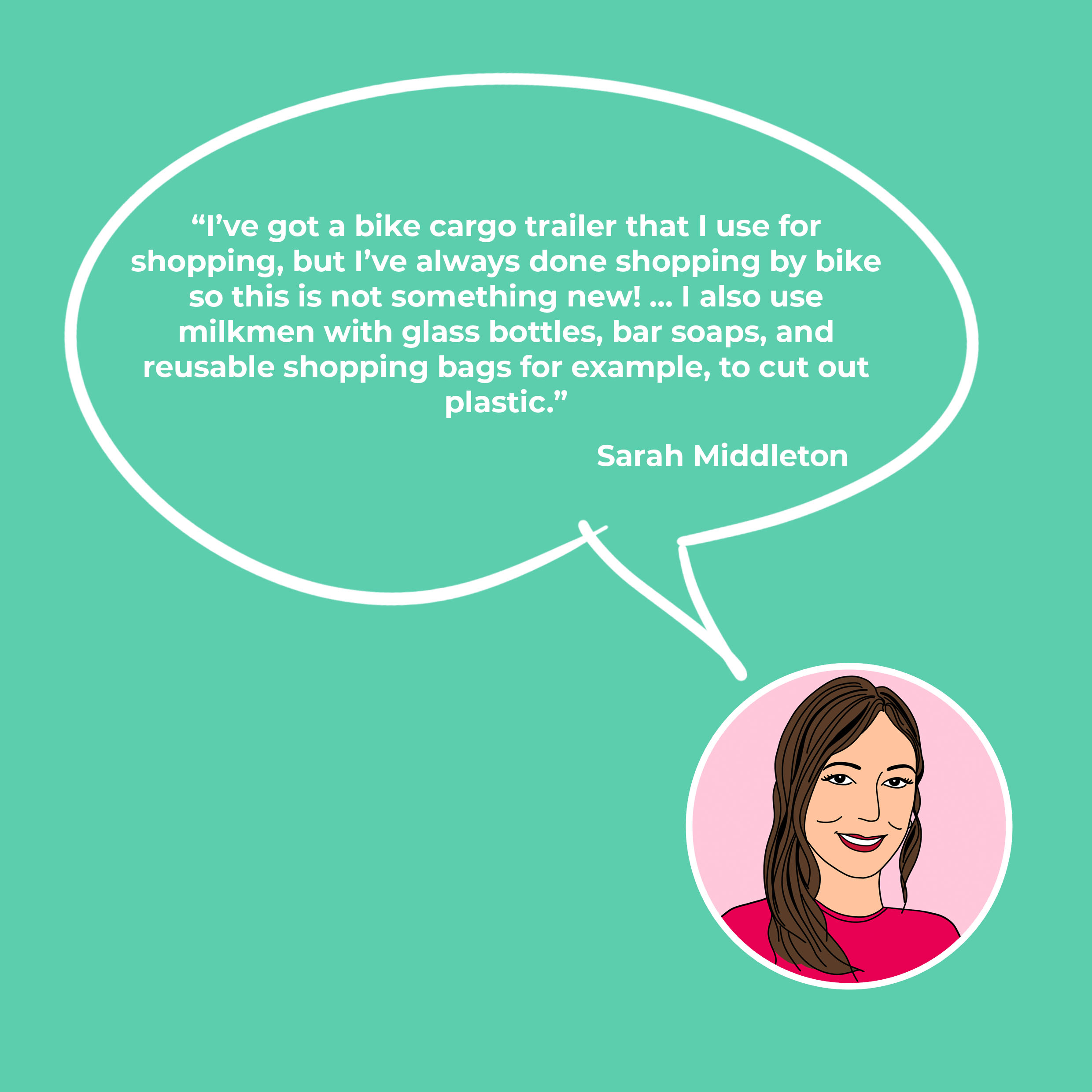
- Swapped products which produce large quantities of plastic and chemicals to those without, such as Smol dishwasher tablets, and bar-soap shower wash;
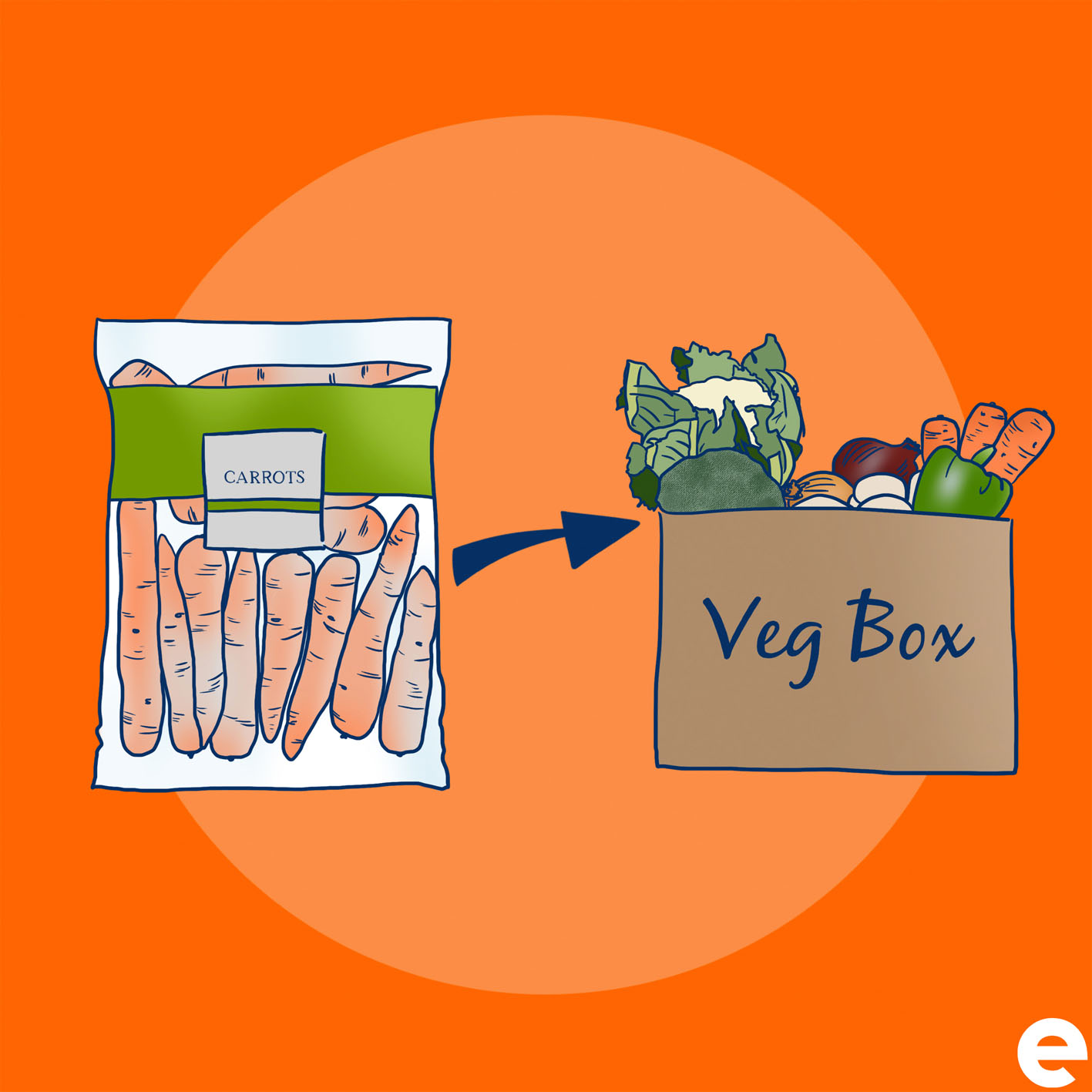
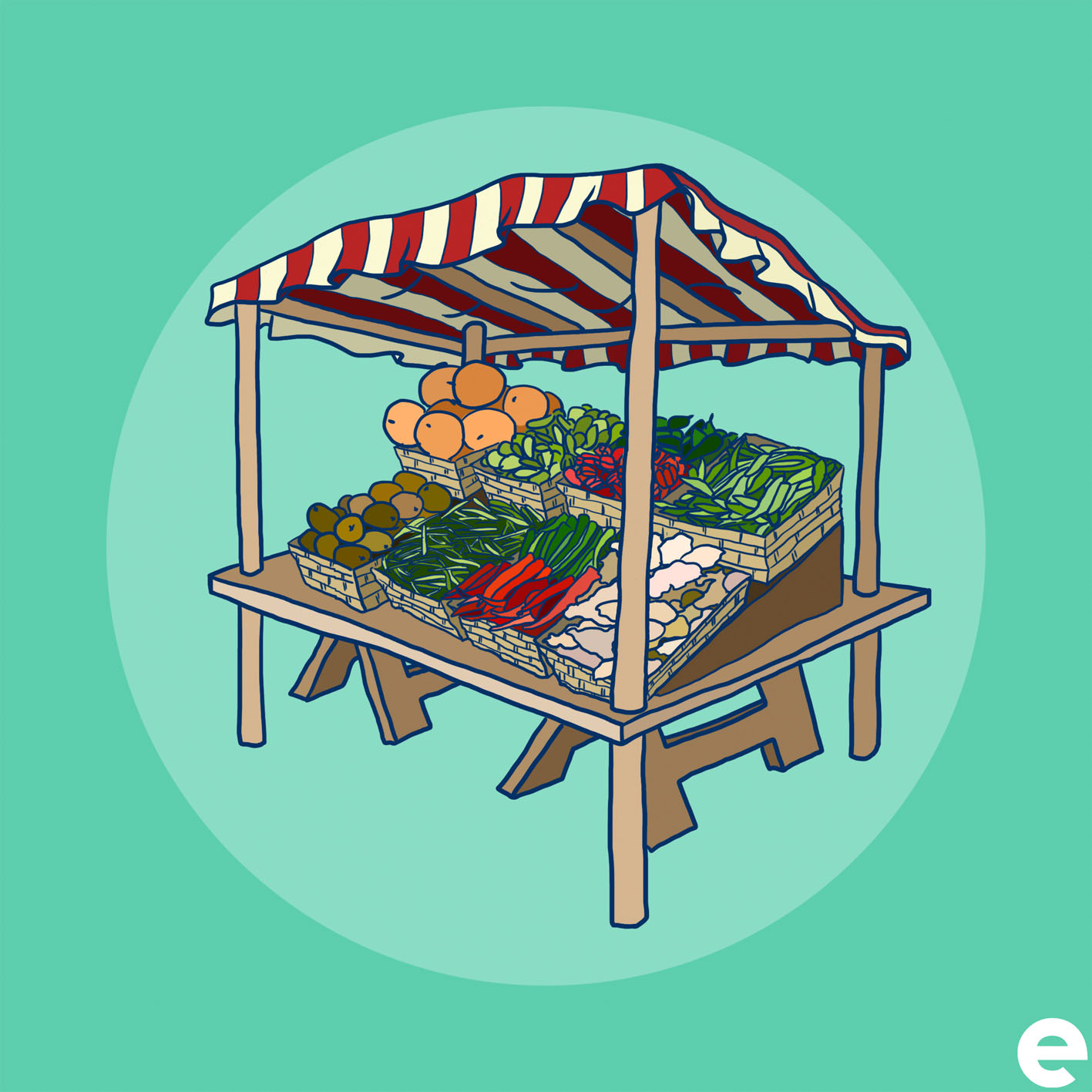
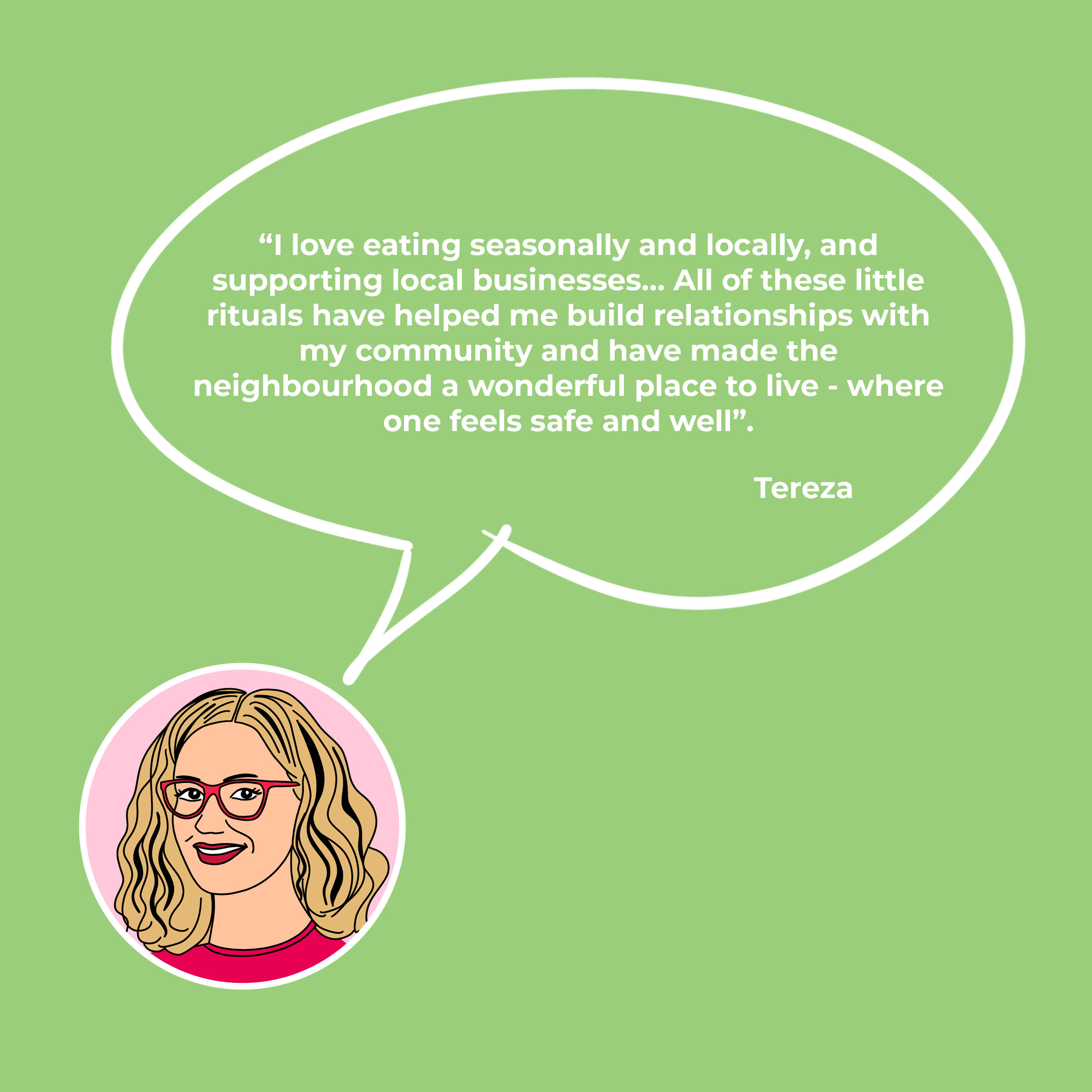
- Started shopping smaller and locally. Markets and veg box schemes offer local, seasonal produce which reduces air miles and can prevent waste, whilst also supporting the local economy (a visit to the Charter Market by edge HQ in Thame is a Tuesday must for us edge ladies!)
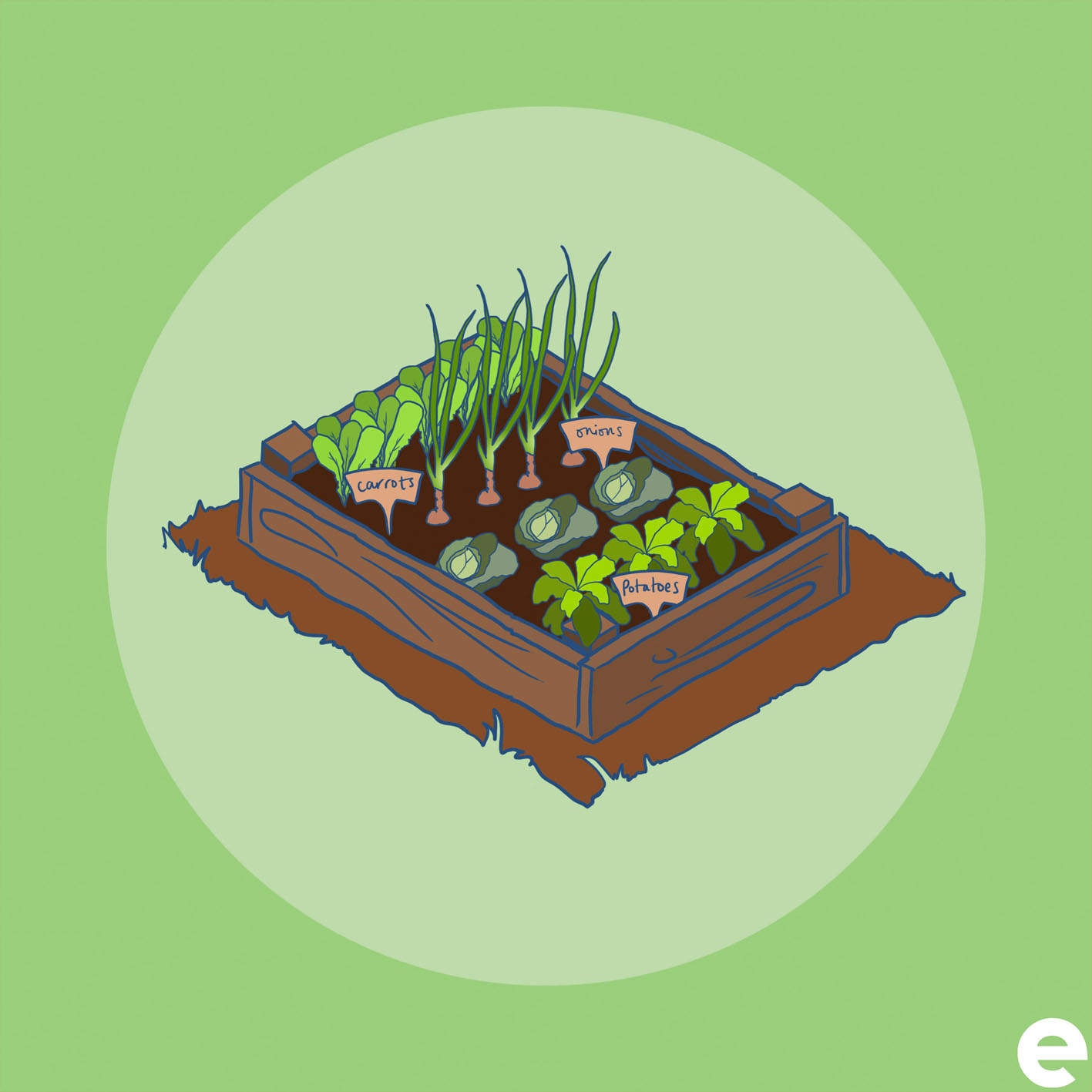
- Started growing our own fruit and veg! Not only does this cut out packaging all together, but fresh, homegrown food is also packed full of the best vitamins and antioxidants.
- If it ain’t broke, don’t swap it! Where possible, heavily manufactured products (such as mobile phones and TV’s) should not be thrown away. Instead, we try and use them until they are no longer fit for purpose, otherwise we try and make an effort to sell them or give them away.
- Reduced our vehicle dependency. We all make an effort to walk and cycle as frequently as possible or take public transport if we can for longer distance journeys. Electric cars also have their positives, but they still contribute to the space required in our streets and land-hungry car parks.
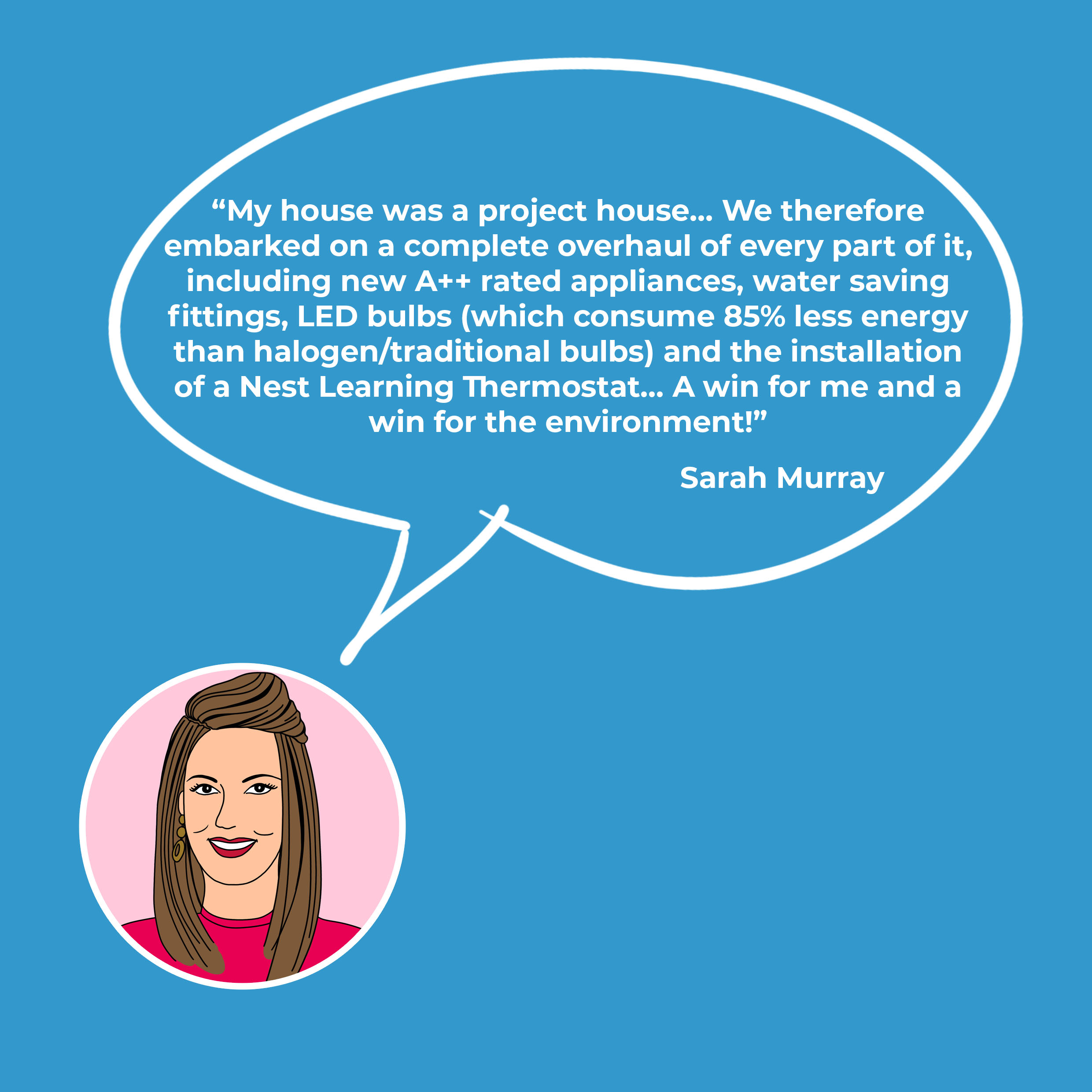
- Invested in technology. Many technologies and materials today can help save you money as well as the planet. We encourage the use of A++ rated appliances in our homes, as well as generous insulation, LED bulbs, and Smart Metres which ensure more efficient use and conservation of energy.
- Done our research! Installing solar panels is not the only solution – we have found that some energy suppliers, such as Octopus Energy, can provide plans which use 100% renewable energy – all it takes is a little research! Octopus Renewables save over 3.6 million tonnes of CO2 a year – that’s a lot!


Planning for the planet
What about the long-term, deep rooted change in our greater society? How can the UK adapt on a larger scale, to ensure that our future generations will live in a beautiful, healthy, green and prosperous world?
It’s ultimately down to us: urban designers, planners, engineers, geographers, architects, farmers, ecologists, teachers, creatives… we are the influencers of physical national and global change, and we should always be mindful of how to design in a manner which:
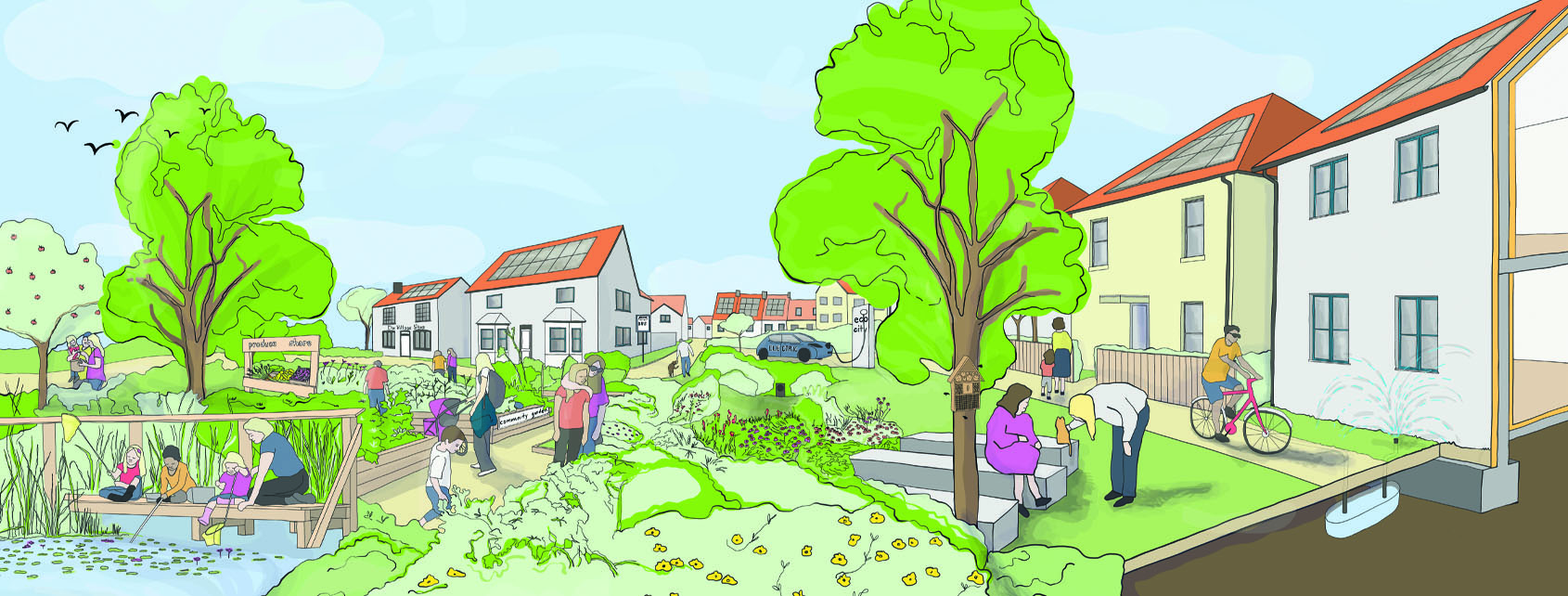
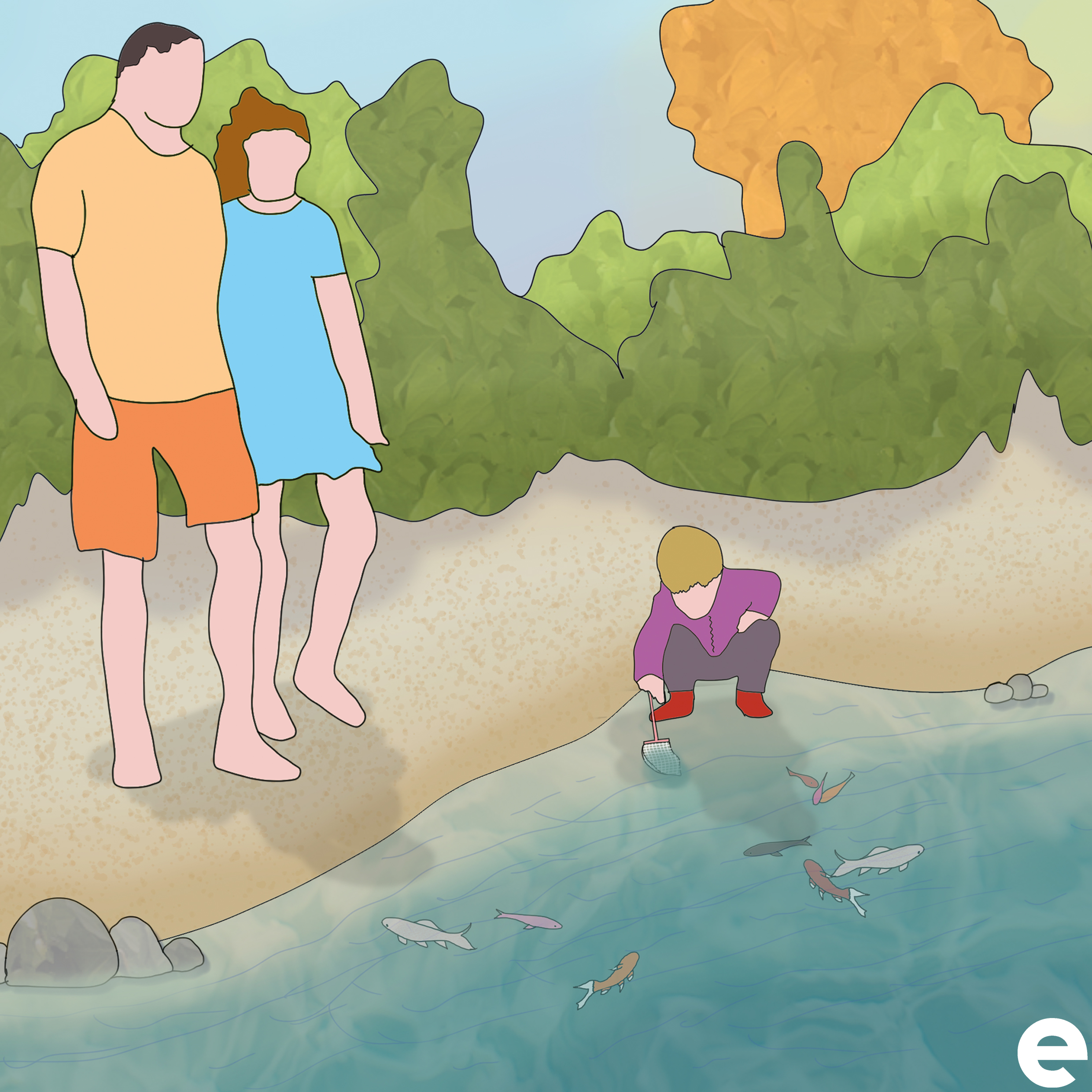
- Integrates green and blue networks. Existing water courses and natural assets such as trees should be retained and enhanced throughout a masterplan, transforming the site into a biological and ecological haven which responds to the local landscape;
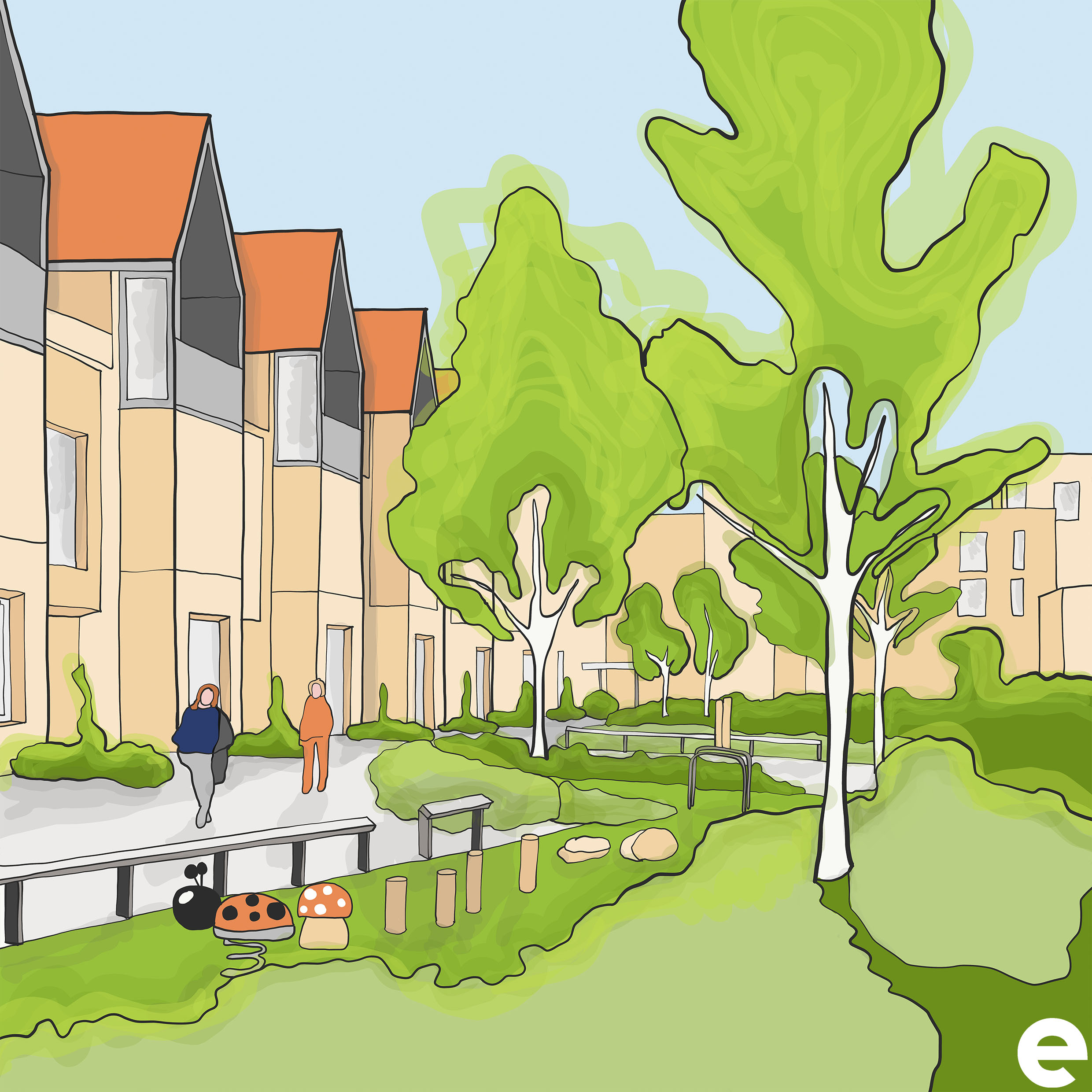
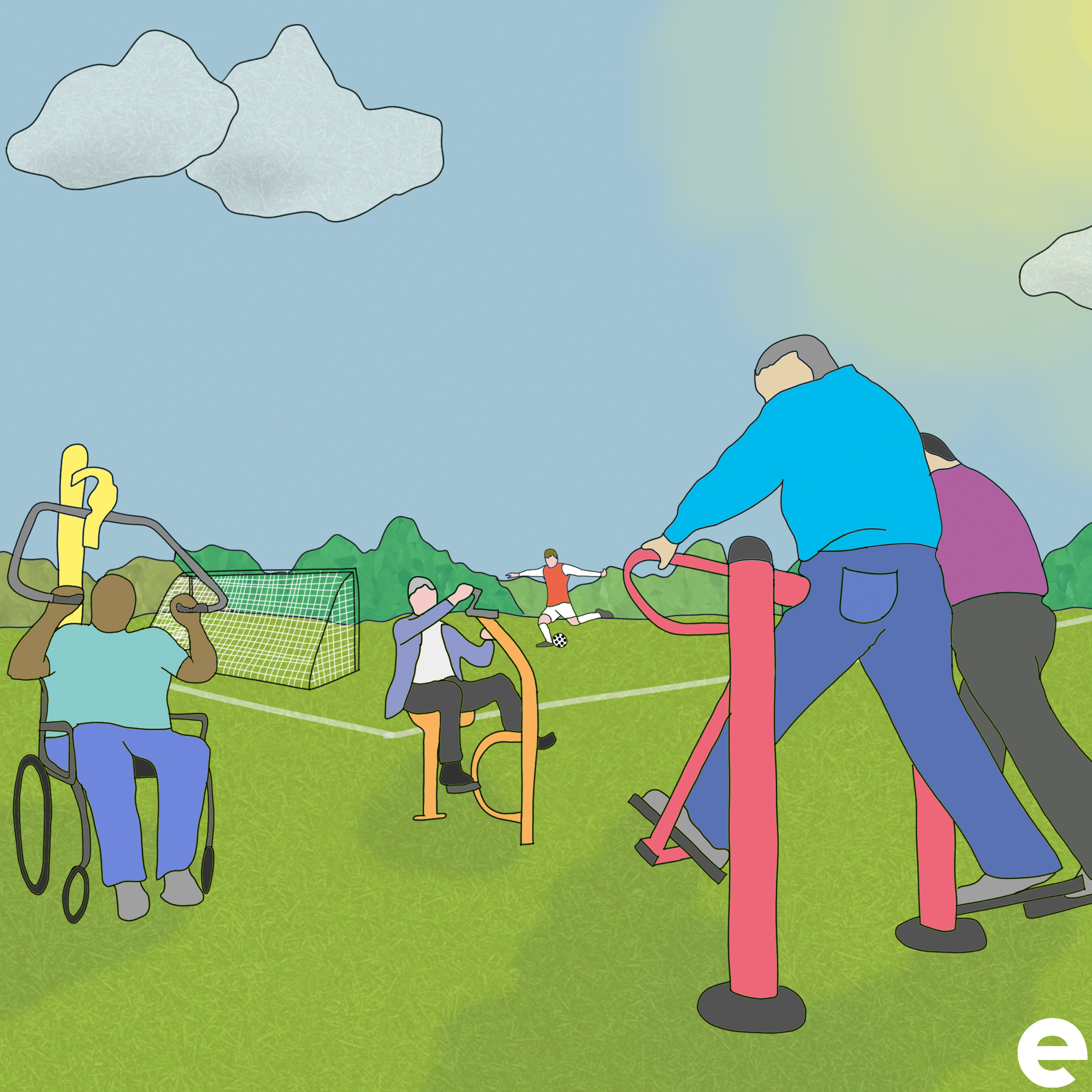
- Creates diverse public spaces. Incorporating green, landscaped public spaces to promote outdoor play and social interaction, whilst providing important ecological and biological habitats for wildlife and flora to thrive (also consider communal allotments to encourage fresh, local food production);
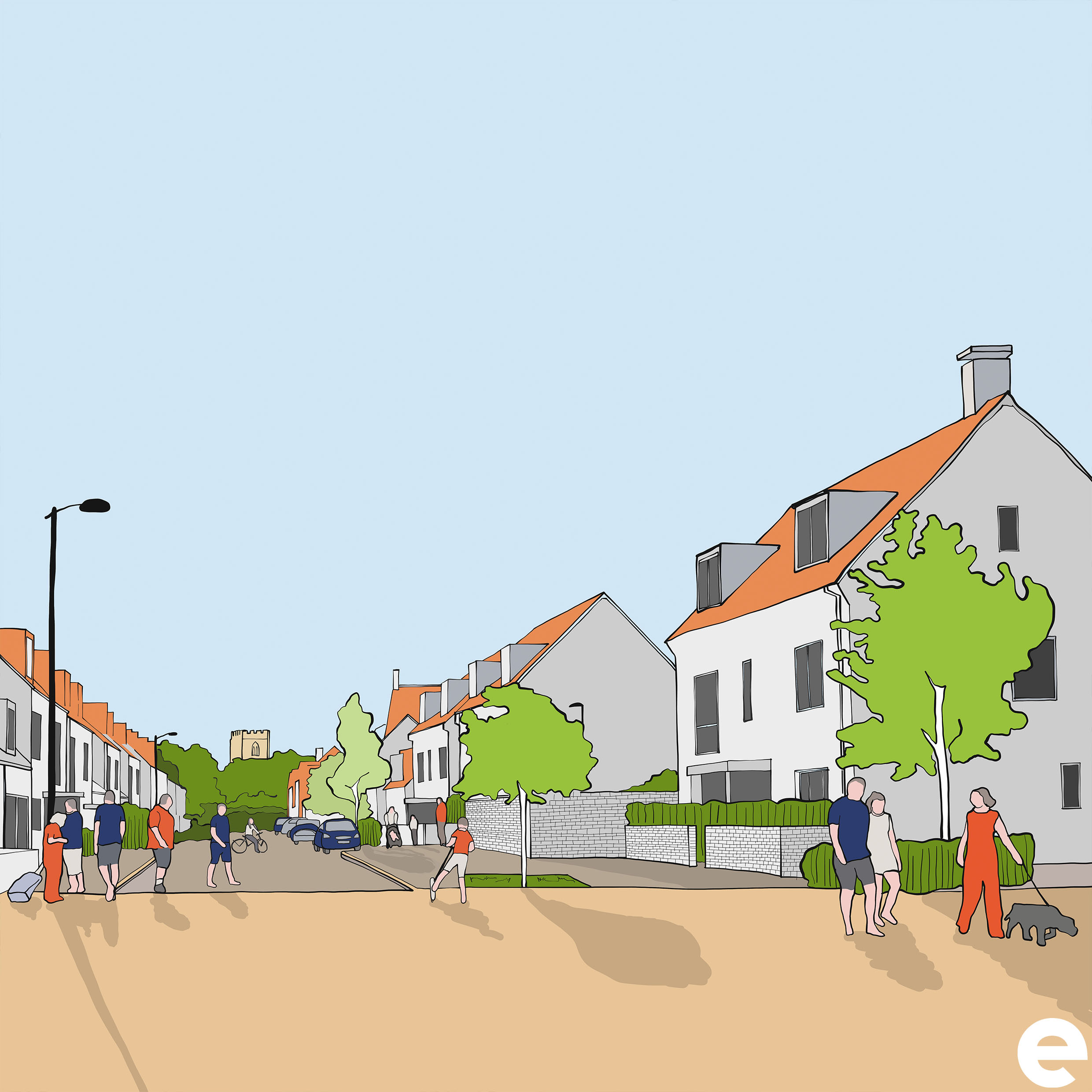
- Promotes active travel. Providing essential services and facilities within 1,200 meters of homes (a 15-minute walk) and creating attractive walking and cycling routes will discourage vehicle dependency and create a more vibrant neighbourhood;
- Utilises green construction. Using low-carbon, locally sourced, and/or recycled materials can reduce the extraction of natural resources and carbon production. Employing a local workforce will also reduce journey lengths, whilst boosting the district economy;
- Utilises green architecture. Buildings should comply with sustainable standards (such as BREEAM or passivhaus) to allow residents, schools, businesses and industries to have the opportunities to operate with lower or zero carbon emissions;
- Fabricates a legacy. Buildings should be designed to last centuries. The more efficient, beautiful, and structurally sound our buildings are, the longer their lifetime, which reduces the rate of demolition and maximises resources, whilst contributing to the historic architecture of the future;
- Works with (not against) the landscape. Developments near a river, for example, should be designed to work with potential floods, rather than restricting permeable surfaces and shifting flood plains which invades habitats elsewhere;
- Regenerates brownfield land. Inevitably, greenfield development will be necessary for the UK’s continuous population rise. Nevertheless, repurposing existing brownfield land would reduce suburban sprawl (protecting our Green Belts and AONB’s), whilst providing social, environmental, and economic benefits for the existing settlement.
As the future of our planet relies increasingly on today’s younger generations, we must become the change we want to see. By using our influence now, we can help ensure that we are paving the way for sustainable living and making it easier for future generations to adapt to this way of life.
Wouldn’t it be wonderful to live in a world where we think of cycling before driving; where we power our homes through the strength of the sun; where we support our local businesses; diminish single-use plastics; grow our own food in communal allotments; and teach our children to respect and learn to love the environment?
We have come so far and we are committed to making this journey an amazing one for ourselves and our planet.
Written by Astrid

